rotating globe
11 Apr 2026


Amit Shah urges Punjab to stop forced conversions

Home Minister directs state government to curb unlawful religious conversions

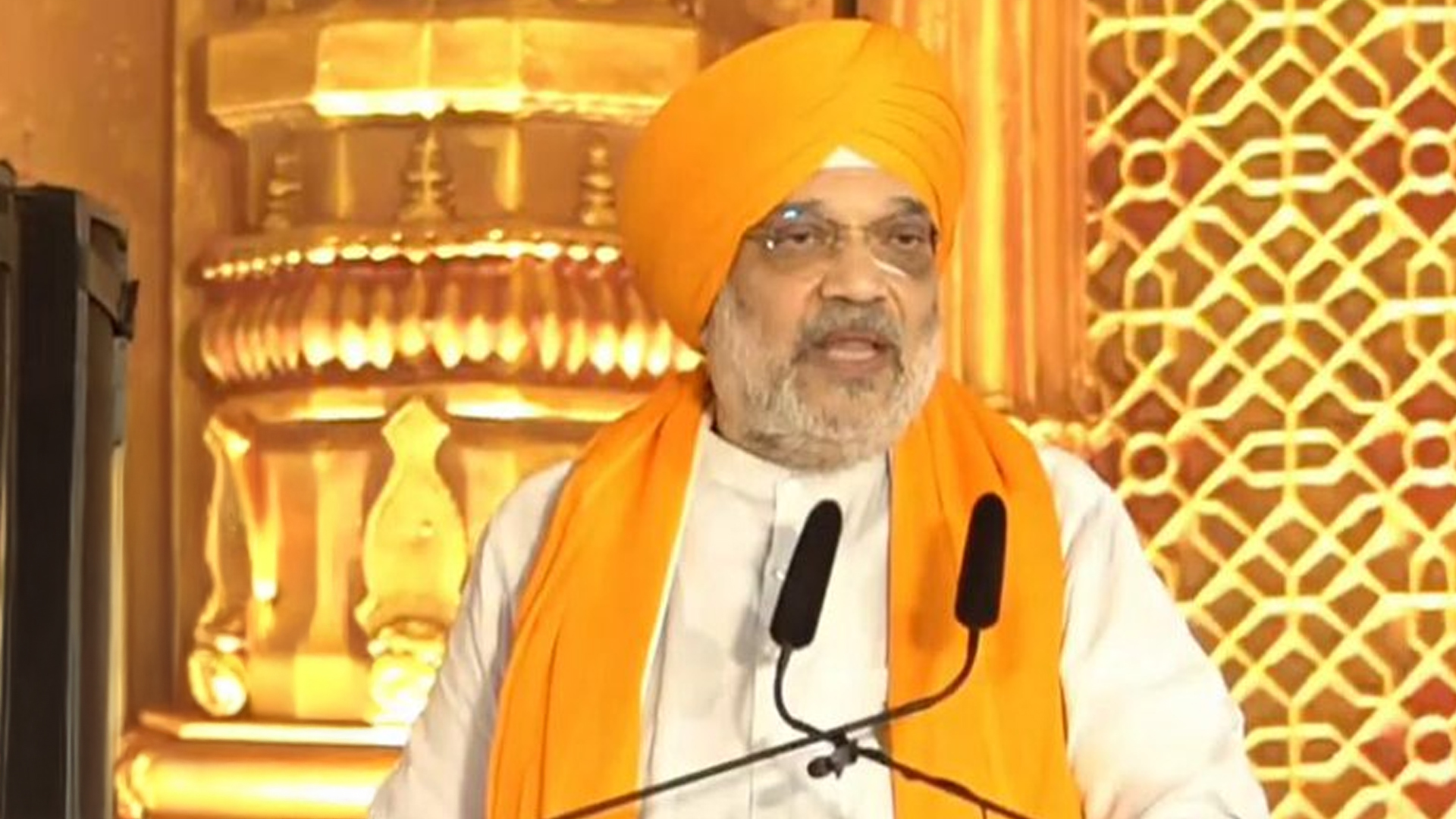
Union Home Minister Amit Shah has asked the Punjab Government to take strict action against what he described as “unauthorised or forced religious conversions” in the state. Shah said the issue has been raised by residents and community groups, and urged local authorities to enforce laws effectively to prevent conversions carried out through coercion or inducement.

Shah’s remarks came during discussions with senior officials and Punjab leaders, where he stressed that freedom of religion must be protected but conversions under pressure or without genuine consent are unacceptable and should be stopped. He asked that the state government work with district administrations and police to address complaints and ensure that conversions take place only according to legal provisions.

Punjab Chief Minister Bhagwant Mann acknowledged the concerns and assured that the state is taking the issue seriously. Mann said the government will review existing laws and strengthen monitoring to stop unlawful activities, and will take measures to protect people’s constitutional rights while also preventing exploitation.

Home Minister Shah directed Punjab officials to identify areas where complaints have been registered, increase vigilance, and ensure that police and administration act swiftly on credible allegations. He also urged awareness campaigns to educate people about their rights and the law governing religious conversions.

Shah’s intervention follows several complaints from social groups, local organisations, and individuals claiming that vulnerable people,  particularly women and yout, are being targeted with offers of money, jobs or other incentives to change their religion. Critics say such practices can affect social harmony, particularly in multi‑faith communities, and have called for stricter oversight.

Under India’s constitution, freedom of religion is a fundamental right, and individuals are free to adopt, practise and propagate their faith. However, most states,  including Punjab, have laws that prohibit forced conversions through fraud, coercion, allurement or undue influence. These laws require authorities to investigate complaints and take corrective steps.

Officials in Punjab said detailed guidelines will be issued soon to district magistrates and police to ensure prompt and fair action on all credible complaints related to unlawful conversions.

Also Read: New homes in Wayanad for landslide survivors

New homes in Wayanad for landslide survivors
Families receive keys as Kerala government opens first phase of township

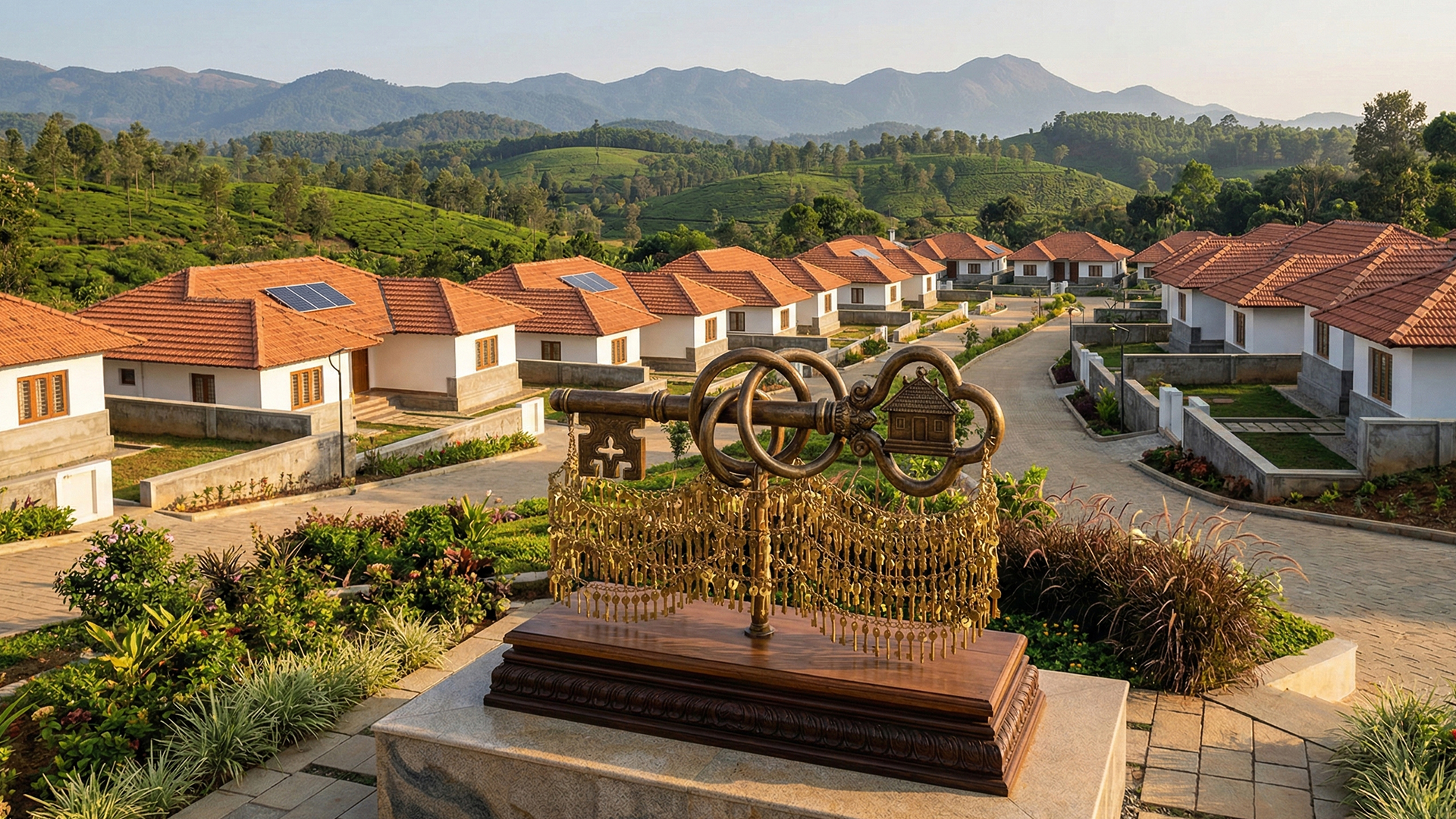
A ray of hope arrived for landslide survivors in Wayanad as the first phase of a new township was inaugurated on Monday. Chief Minister Pinarayi Vijayan personally handed over keys to 178 families who had lost their homes, marking a milestone in the region’s rehabilitation efforts.

The new houses, built on safe, elevated land, come with basic amenities including electricity, drinking water, paved roads, and drainage systems. Community facilities such as play areas and halls are also included to help residents rebuild their lives and strengthen social ties.

Speaking at the ceremony, the Chief Minister described the project as a symbol of resilience and recovery, stressing the government’s commitment to the welfare of those affected. Many residents expressed relief and gratitude, saying that the new homes bring security and a chance to resume normal life after months of uncertainty.

The township is part of a broader rehabilitation plan that also offers livelihood support, educational assistance for children, and counselling services to help families recover from the disaster’s emotional and economic impact.

Plans for the second phase of the township were also announced, which will house additional displaced families. Officials emphasized that the new homes incorporate lessons from past disasters, focusing on safety, environmental sustainability, and long-term stability.

For survivors like Meera and her children, receiving the keys was an emotional moment. “After losing everything, this is a fresh start,” she said, expressing hope that her children could continue their schooling without fear. Community leaders and locals praised the government for its prompt action in providing secure shelter and a sense of normalcy.

Also Read: PM Modi speaks to Israeli PM, calls for restraint and safety

PM Modi speaks to Israeli PM, calls for restraint and safety

He stressed upon humanitarian concerns with Netanyahu as the regional conflicts worsen

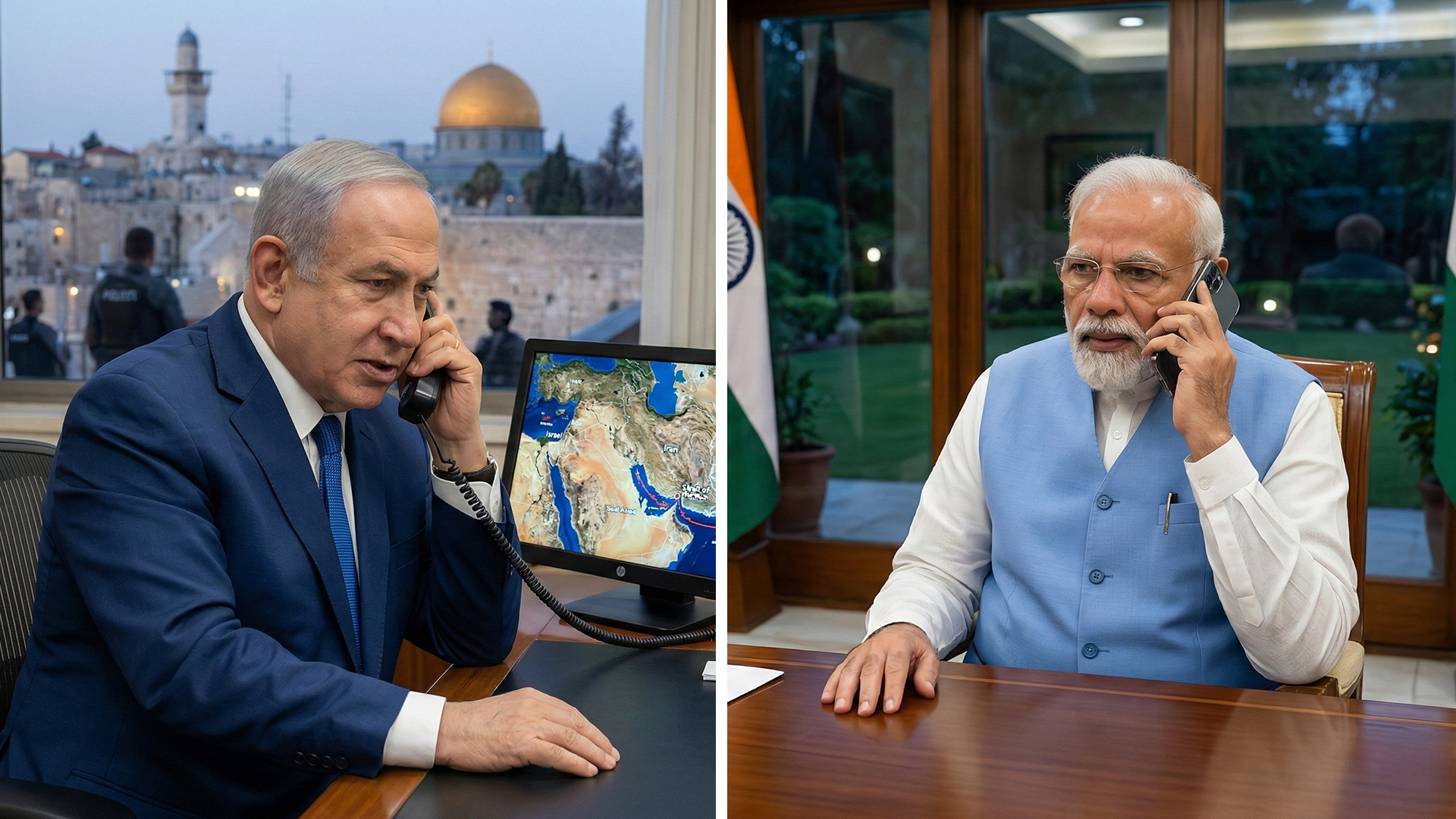
Prime Minister Narendra Modi spoke by phone on Monday with Benjamin Netanyahu to discuss the rapidly evolving security situation in West Asia and the impact of recent hostilities on civilians and regional stability.

In the conversation, Modi expressed India’s deep concern over the ongoing conflict and emphasised that the safety of civilians must be of utmost importance. He urged all parties to exercise restraint and prioritise the protection of innocent people affected by the violence. The call comes amid heightened tensions following military strikes in the region that have drawn in multiple countries and raised fears of wider instability.

PM Modi noted India’s long‑standing ties with countries across the Middle East and stressed that peace and stability in the region are essential not just for regional populations but also for global economic interests, including secure energy supplies and uninterrupted trade flows. He highlighted the importance of diplomatic engagement in de‑escalating tensions and resolving differences without further loss of life.

He  also conveyed his concern for Indian nationals and expatriate communities in the region. Large populations of Indian students, professionals and workers reside in various Gulf countries, and Modi reiterated that their safety remains a priority for the Indian government. New Delhi continues to monitor their situation closely and is in touch with local authorities to ensure their well‑being.

On his part, Netanyahu thanked PM Modi for reaching out and shared details of Israel’s perspective on the evolving security situation. The Israeli leader reaffirmed his government’s intention to defend its citizens and territorial integrity amid increasing cross‑border attacks and security threats. Netanyahu also highlighted the complexities on the ground and indicated that civilian protection remains a stated concern for Israeli authorities.

The leaders agreed to maintain close communication in the coming days as events unfold. Both sides acknowledged the importance of dialogue and diplomatic efforts in managing the crisis and preventing further escalation.

Also Read: Middle East airspace crisis disrupts air travel in India

Ayatollah Ali Khamenei killed in US-Israel strikes

Interim council led by Arafi takes charge as global tensions rise

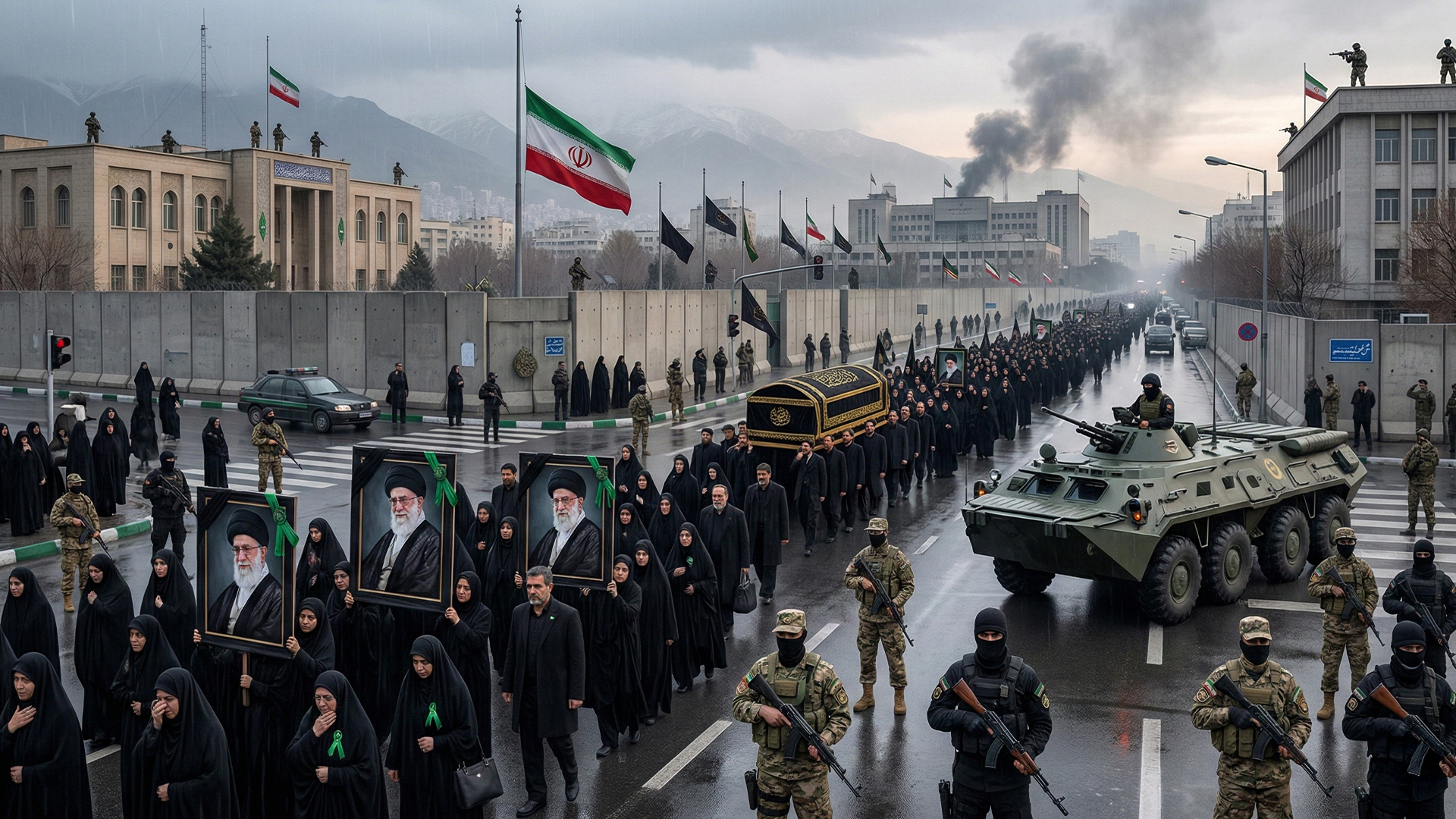
Khamenei had been Iran’s highest authority for more than three decades, succeeding Ruhollah Khomeini after the 1979 Islamic Revolution. He shaped Iran’s foreign policy, oversaw its nuclear programme and maintained a firm stance against the West. Supporters saw him as a guardian of Iran’s sovereignty while critics viewed him as a hardline leader who suppressed dissent.

US President Donald Trump confirmed the operation, calling it a decisive move against what he described as “a long-standing threat to regional stability.” Israeli Prime Minister Benjamin Netanyahu said the strike was carried out to protect Israel’s security and warned that his country would respond strongly to any retaliation.

Iran’s President Masoud Pezeshkian condemned the attack as an act of aggression and vowed revenge. Senior cleric Alireza Arafi has joined a temporary leadership council formed to manage the transition until a new supreme leader is chosen.

Global leaders responded swiftly. Russia’s President Vladimir Putin described the killing as “dangerous and destabilising,” urging restraint. China’s President Xi Jinping called for calm and respect for sovereignty. European leaders, including France’s President Emmanuel Macron and UK Prime Minister Keir Starmer, appealed for immediate de-escalation to prevent a wider war.

Meanwhile, oil prices surged and stock markets fell amid fears of prolonged conflict. Across the Middle East, airspaces were briefly shut and security tightened.

The killing of Khamenei marks a historic turning point for Iran and the Middle East, raising serious questions about succession, stability and the risk of prolonged conflict.

Also Read: US‑Israel strikes Iran, Gulf tensions swell