rotating globe
3 Apr 2026


Israel shoots down first missile from Yemen

Houthi involvement signals wider spread of ongoing conflict

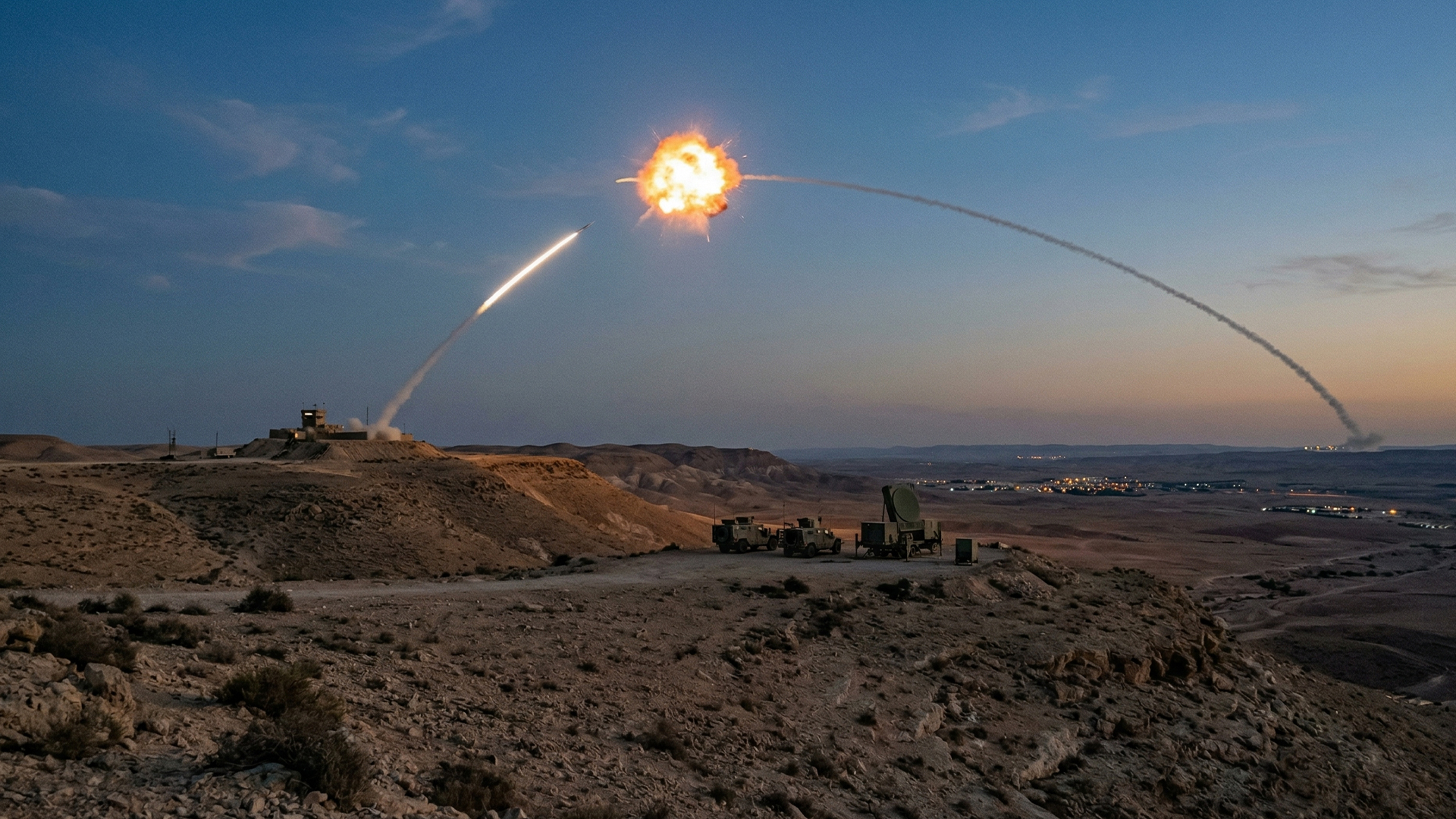
Israel has intercepted a missile launched from Yemen for the first time since the current conflict began, marking a new phase in the growing regional tensions.

Israeli officials said the missile was detected early and successfully shot down by its air defence systems before it could cause any damage. The attack is believed to have been carried out by the Iran-backed Houthi group, indicating that they have now directly joined the conflict.

The Houthis later claimed responsibility for the strike, saying it was in response to ongoing military actions involving Israel and its allies. Their involvement opens up another front in what is already a complex and fast-expanding situation in the Middle East.

The conflict has been intensifying over recent weeks, with exchanges of missile strikes between Iran and Israel. Some of these attacks have hit populated areas, leading to casualties and damage.

The impact is not limited to just these two countries. Reports suggest that Iranian-linked attacks have also targeted locations connected to the United States in the region, including military sites. This has raised concerns about a broader confrontation involving multiple nations.

Also Read: Ramnath Goenka Awards 2026 honour top journalists

Google caps ‘Agent Smith’ usage

Internal adoption surge forces Google to manage rollout of its autonomous coding assistant

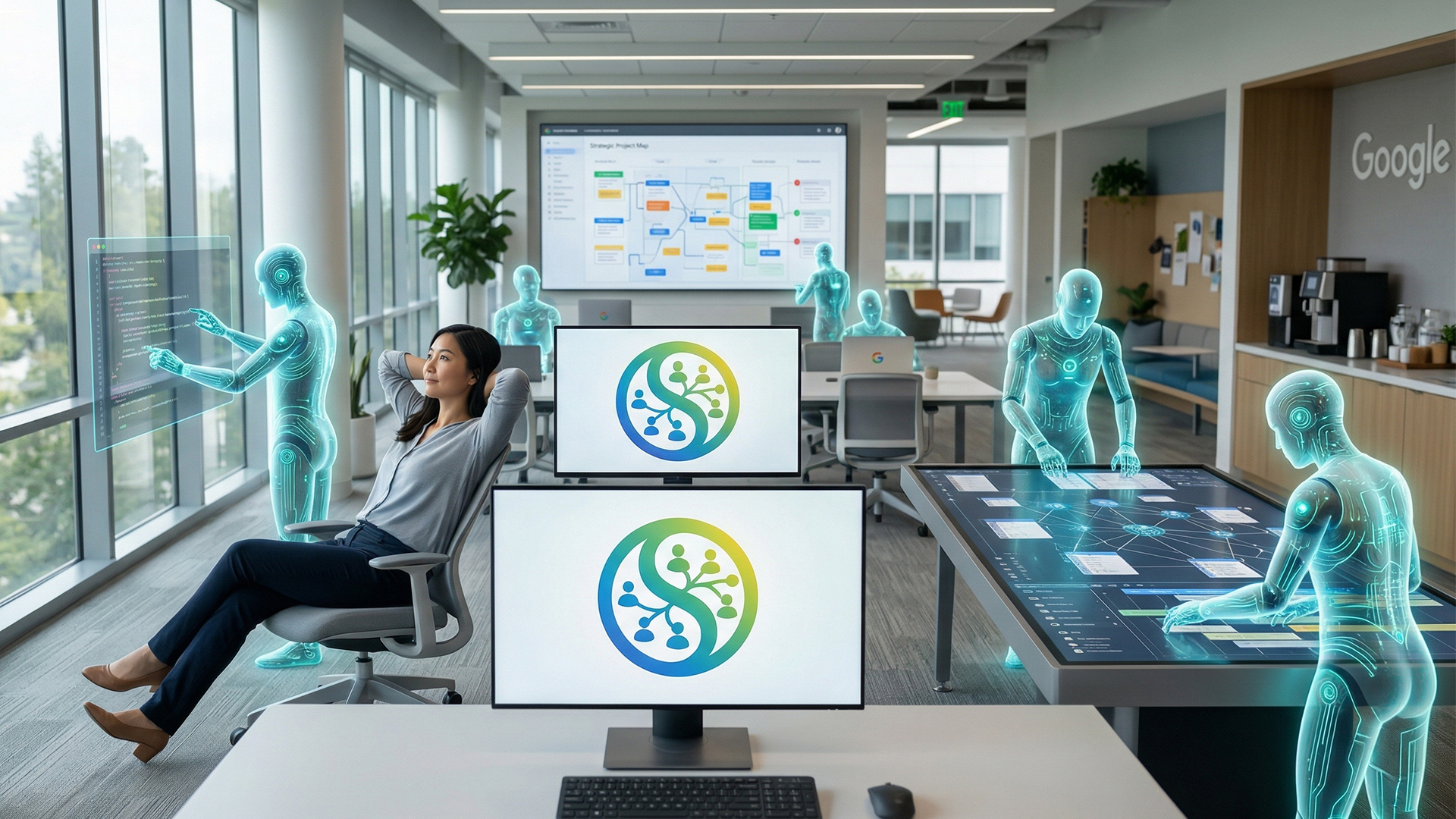
Google is reportedly scaling back access to its internal AI tool “Agent Smith” after a spike in employee usage. The tool, built to automate coding and routine tasks, has quickly become a go-to resource for developers within the company.

Agent Smith is designed to work with a high level of independence, handling complex assignments with limited supervision. Employees can initiate tasks from their phones and allow the AI to complete them asynchronously, improving productivity and saving time.

By integrating with internal systems, the tool can fetch data, generate code, and manage workflows more efficiently than traditional assistants. Its rapid adoption reflects a broader move toward AI systems that can act, rather than just assist.

The development aligns with Sundar Pichai’s push to embed AI deeply into operations. Meanwhile, Sergey Brin has underscored the strategic importance of AI agents in shaping the company’s future direction.

The popularity of Agent Smith signals a growing reliance on advanced AI tools to transform how work gets done inside large tech firms.

Also Read: Noida International Airport Phase 1 inaugurated

South Korean actor Lee Sang-bo dies at 44

Police rule out foul play; cause of death still under investigation

South Korean actor Lee Sang-bo has passed away at the age of 44, shocking fans and the entertainment industry. He was reportedly found dead at his residence in Pyeongtaek. Authorities responded to the scene following a report and confirmed his death shortly after arrival.

According to police officials, there were no immediate signs of foul play or external intrusion. Investigators have stated that, while the circumstances surrounding his death appear non-criminal, the exact cause has not yet been determined. A detailed investigation, including possible medical examinations, is underway to establish what led to his sudden passing.

Lee Sang-bo had built a reputation in the South Korean television and film industry through his supporting roles in various dramas. Known for his consistent screen presence and versatility, he had gained recognition over the years, even if he was not always in leading roles. His sudden demise has led to an outpouring of condolences from colleagues and fans alike.

The actor’s death comes after a challenging period in his personal and professional life. In recent years, he had faced legal scrutiny over alleged drug use. However, he was later cleared of those accusations, with authorities concluding that the substances involved were related to medical treatment rather than illegal activity. Following this, Lee had been attempting to rebuild his career and return to the industry.

News of his death has reignited conversations around the pressures faced by actors in the entertainment sector, particularly those navigating controversies and career setbacks.

Also Read: Nepal ex-PM arrested over GenZ protest crackdown

Trump’s ‘Strait of Trump’ remark draws attention

US President’s joke on key oil route comes as conflict with Iran keeps global markets on edge

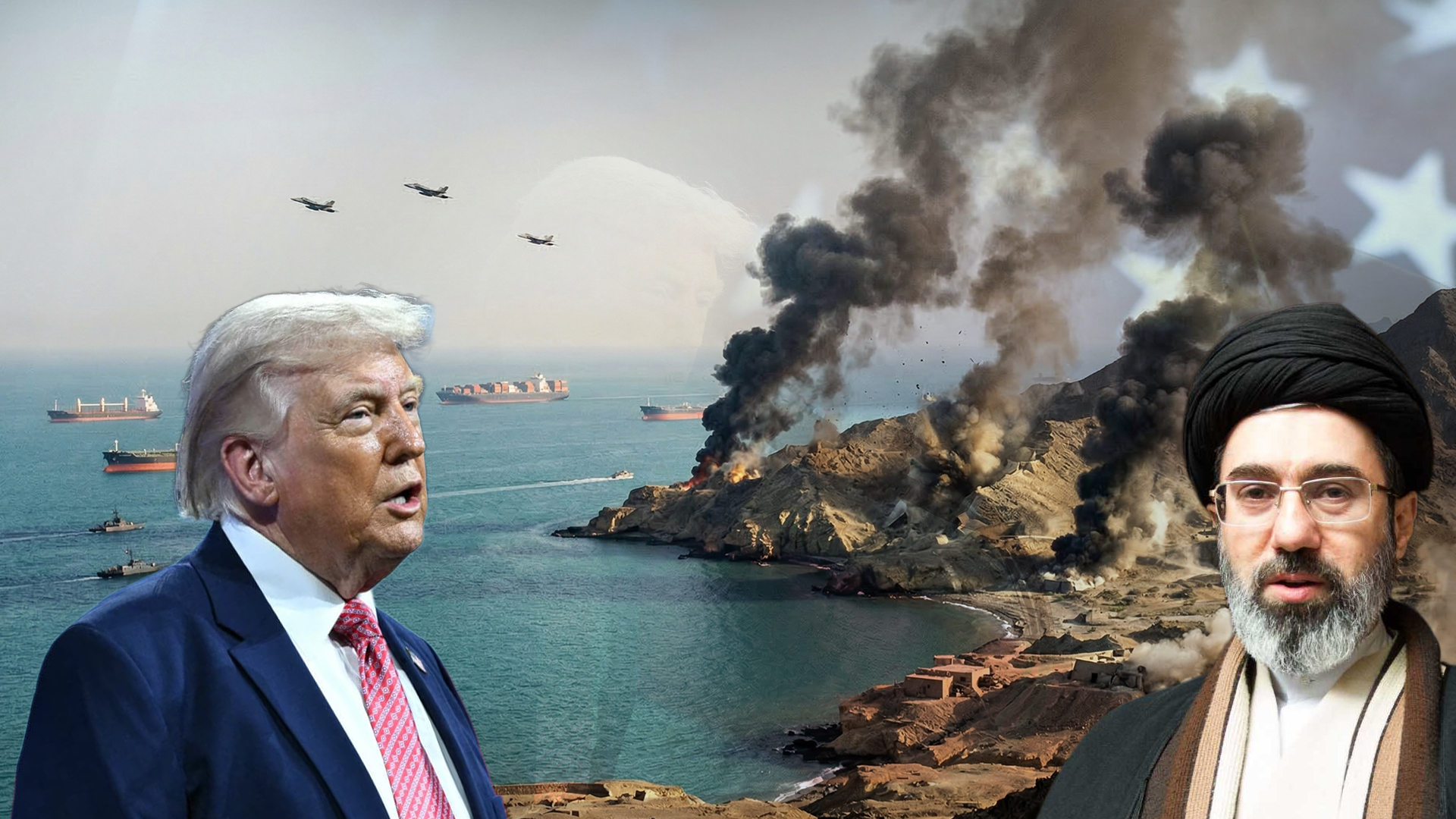
US President Donald Trump has stirred reactions after jokingly calling the Strait of Hormuz the “Strait of Trump” during a speech, at a time when tensions with Iran remain high.

While addressing an audience, Trump said, “They have to open up the Strait of Trump… I mean, Hormuz,” before quickly correcting himself. He later suggested the slip was deliberate, adding that he does not make accidental remarks. The comment drew laughter at the event but soon gained wider attention online.

The Strait of Hormuz is one of the world’s most critical oil transit routes, with a large share of global crude shipments passing through it. The region has been under strain due to the ongoing conflict between the United States and Iran, raising concerns over energy supplies and global trade.

Trump used the moment to criticise Iran, claiming the country is under pressure and may be open to negotiations. He stressed that ensuring free movement through the strait would be essential in any future agreement.

The remark quickly went viral, prompting mixed reactions. Some supporters viewed it as a light-hearted or strategic comment, while critics argued it was insensitive given the seriousness of the situation in the region.

The backdrop to the comment is the continuing standoff between Washington and Tehran, which has disrupted shipping activity and increased uncertainty in global oil markets. Iran has faced accusations of attempting to restrict access to the strait, though the situation remains tense and fluid.

Trump has repeatedly warned Iran to keep the waterway open, even hinting at strong action if disruptions continue. At the same time, he has signalled willingness to pursue diplomatic talks, reflecting a mix of pressure and negotiation in US policy.

Also Read: Nepal ex-PM arrested over GenZ protest crackdown

Nepal ex-PM arrested over GenZ protest crackdown

Arrest follows new Prime Minister Balen Shah’s oath, signalling a strong push for accountability

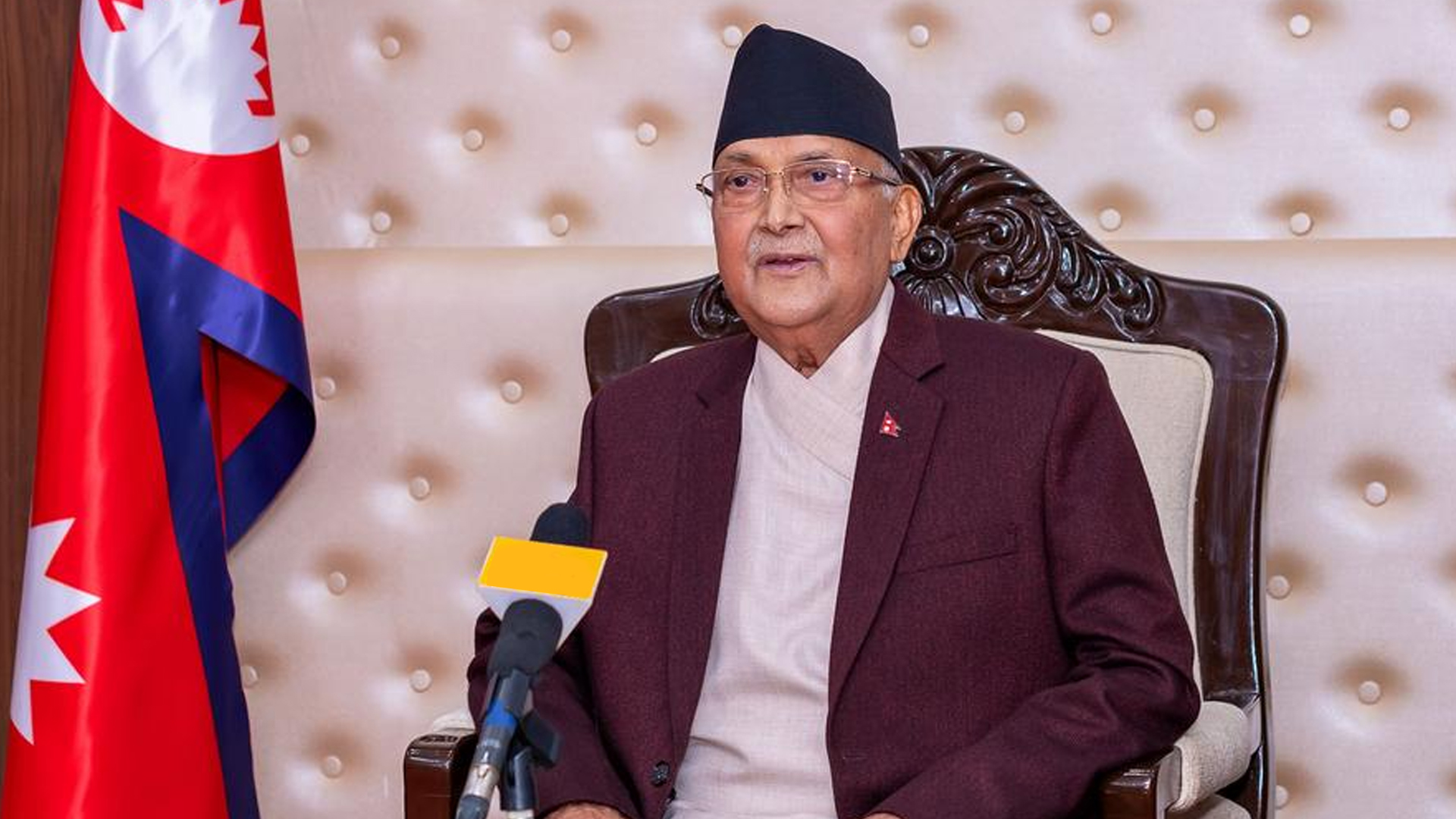
Former Nepal Prime Minister KP Sharma Oli has been arrested over his alleged role in last year’s deadly “Gen Z” protests, in a major political development. The action comes just a day after Balendra (Balen) Shah took oath as Nepal’s new Prime Minister.

Oli was detained by Nepal Police from his residence in Bhaktapur. Former Home Minister Ramesh Lekhak was also arrested in connection with the case. Both leaders are facing investigation in a culpable homicide case linked to the violent crackdown on protests in September 2025.

The protests were largely driven by young people and were sparked by concerns over corruption, poor governance and restrictions on social media. Initially peaceful, the demonstrations soon turned violent, with clashes between protesters and security forces. The unrest left at least 76 people dead and thousands injured, eventually leading to the fall of Oli’s government.

Subsequent investigations indicated lapses by the government in controlling the situation. Reports also pointed to the use of excessive force by police, including instances of firing on protesters. A probe panel later recommended legal action against senior officials, naming Oli and Lekhak among those responsible.

Responding to the arrests, Nepal’s new Home Minister Sudan Gurung said the move was aimed at delivering justice, not political revenge. He stressed that the law applies equally to all and that due process would be followed.

The timing of the arrests is being seen as significant, coming soon after Balen Shah assumed office. Shah, who rose to prominence as an anti-establishment figure, had promised transparency and accountability during his campaign, especially in response to public anger over the protest deaths.

Oli has denied all allegations, with his legal team challenging the grounds for his arrest. The case is expected to draw close attention, as it could become a key test of political accountability in Nepal.

Also Read: Elon Musk joins Modi‑Trump call on Iran conflict

Ramnath Goenka Awards 2026 honour top journalists
VP praises fearless reporting, calls for responsible media

The 2026 edition of the Ramnath Goenka Excellence in Journalism Awards recognised some of India’s most impactful and courageous reporting, highlighting the media’s role in strengthening democracy.

A total of 25 awards were presented across 18 categories, spanning print, digital, broadcast and regional language journalism. The winning stories covered a wide range of issues, including investigations into crime networks, environmental challenges, governance lapses and social concerns. Many entries stood out for their strong field reporting and public-interest focus.

Among the key winners were journalists recognised for reporting on disaster recovery efforts, exposing illegal activities such as land deals and trafficking networks, and documenting emerging social trends. Awards were also given for excellence in political reporting, investigative journalism, feature writing, sports journalism, and regional language reporting.

The ceremony, held in New Delhi, was attended by Vice President C.P. Radhakrishnan, who praised journalists for their fearless pursuit of truth. He stressed the need for a responsible and nation-centric media narrative while upholding independence and accountability.

The jury noted the high quality and diversity of entries this year, with several stories addressing complex topics such as cyber safety, public health and environmental sustainability. They also highlighted the growing contribution of young journalists bringing fresh perspectives to the profession.

Also Read: Trump’s ‘Strait of Trump’ remark draws attention

PM backs ‘Team India’ approach for West Asia crisis

PM Modi urges Centre and states to work together to keep supplies steady and avoid panic

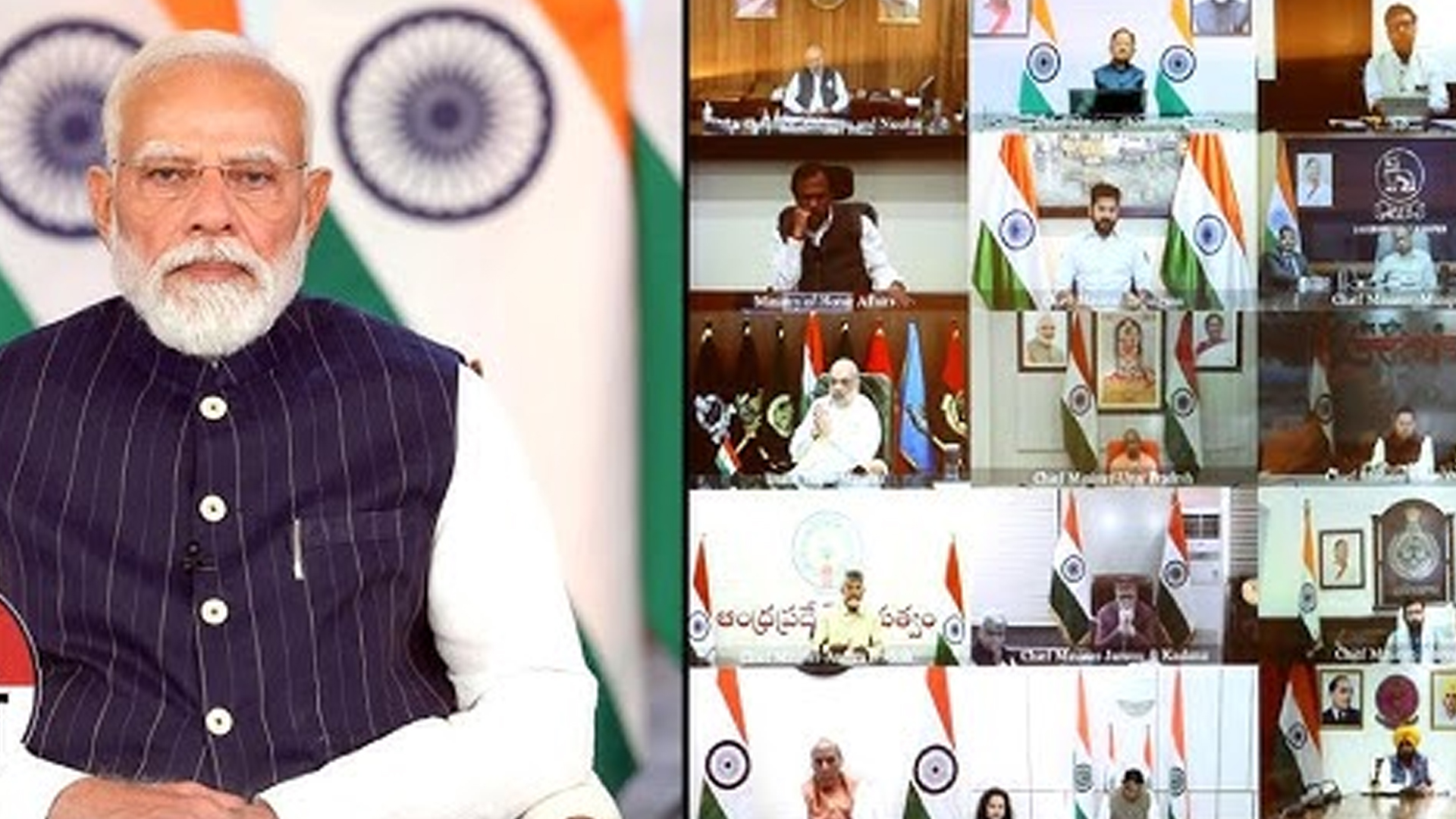
Prime Minister Narendra Modi on Friday urged states to work closely with the Centre, stressing a “Team India” approach as the ongoing West Asia crisis begins to raise concerns back home.

During a virtual meeting with Chief Ministers, Modi focused on what the situation could mean for everyday life in India,  from fuel availability to rising prices and supply disruptions. He reassured leaders that there is no immediate cause for alarm, but emphasised that preparedness and coordination are essential to avoid problems later.

The Prime Minister asked states to stay alert and ensure that essential supplies such as fuel, LPG, and food items remain easily available to people. He warned against hoarding and black marketing, noting that such actions could trigger unnecessary panic among citizens already worried about global developments.

Modi also highlighted the importance of clear and calm communication. He urged state governments to actively counter rumours and misinformation, saying that people should receive accurate updates to prevent fear and confusion. “When information is clear, people feel secure,” officials quoted him as saying during the meeting.

Special focus was placed on regions more directly linked to trade and transport, including border and coastal states. Authorities in these areas were advised to closely track shipping routes, imports, and supply chains to avoid disruptions that could impact daily life.

The Prime Minister also drew attention to farmers, asking states to ensure timely availability of fertilisers and support systems as the next crop season approaches. He stressed that even global tensions should not affect India’s agricultural planning.

Referring to how India managed challenges during the COVID-19 pandemic, Modi said similar cooperation between the Centre and states would help the country navigate the current situation smoothly.

Also Read: Elon Musk joins Modi‑Trump call on Iran conflict

Government rolls out new TRP rules

TRP 2026 policy aims to improve transparency, accuracy and fairness in TV ratings

The government has notified the new Television Rating Policy (TRP) 2026, introducing sweeping changes to how TV viewership is measured across India. The updated framework replaces the 2014 guidelines and is designed to make ratings more reliable and transparent.

A major highlight of the policy is the expansion of the sample size used to track viewership. Rating agencies will be required to significantly increase the number of households where meters are installed, making the data more representative of India’s diverse audience base.

The policy also brings in stricter audit norms. Agencies must now undergo regular internal checks along with annual independent audits to ensure the accuracy of data. In addition, authorities will have the power to inspect operations and verify compliance with the rules.

To improve transparency, rating agencies will need to disclose their methodologies and share relevant data in a responsible manner. They must also follow data protection laws to safeguard viewer information.

Another key change is the removal of “landing page” views from ratings. This means channels will no longer benefit in ratings simply by being placed as default options on TV platforms, helping create a more level playing field.

The new rules also make it easier for more companies to enter the TV ratings sector by lowering the financial entry requirement. At the same time, safeguards have been introduced to prevent conflicts of interest, including rules on board independence.

Importantly, the policy reflects changing viewing habits by allowing measurement across multiple platforms such as cable, DTH and digital services.

Also Read: Trump’s ‘Strait of Trump’ remark draws attention


Noida International Airport Phase 1 inaugurated

New Delhi-NCR aviation hub to ease congestion, boost connectivity and jobs

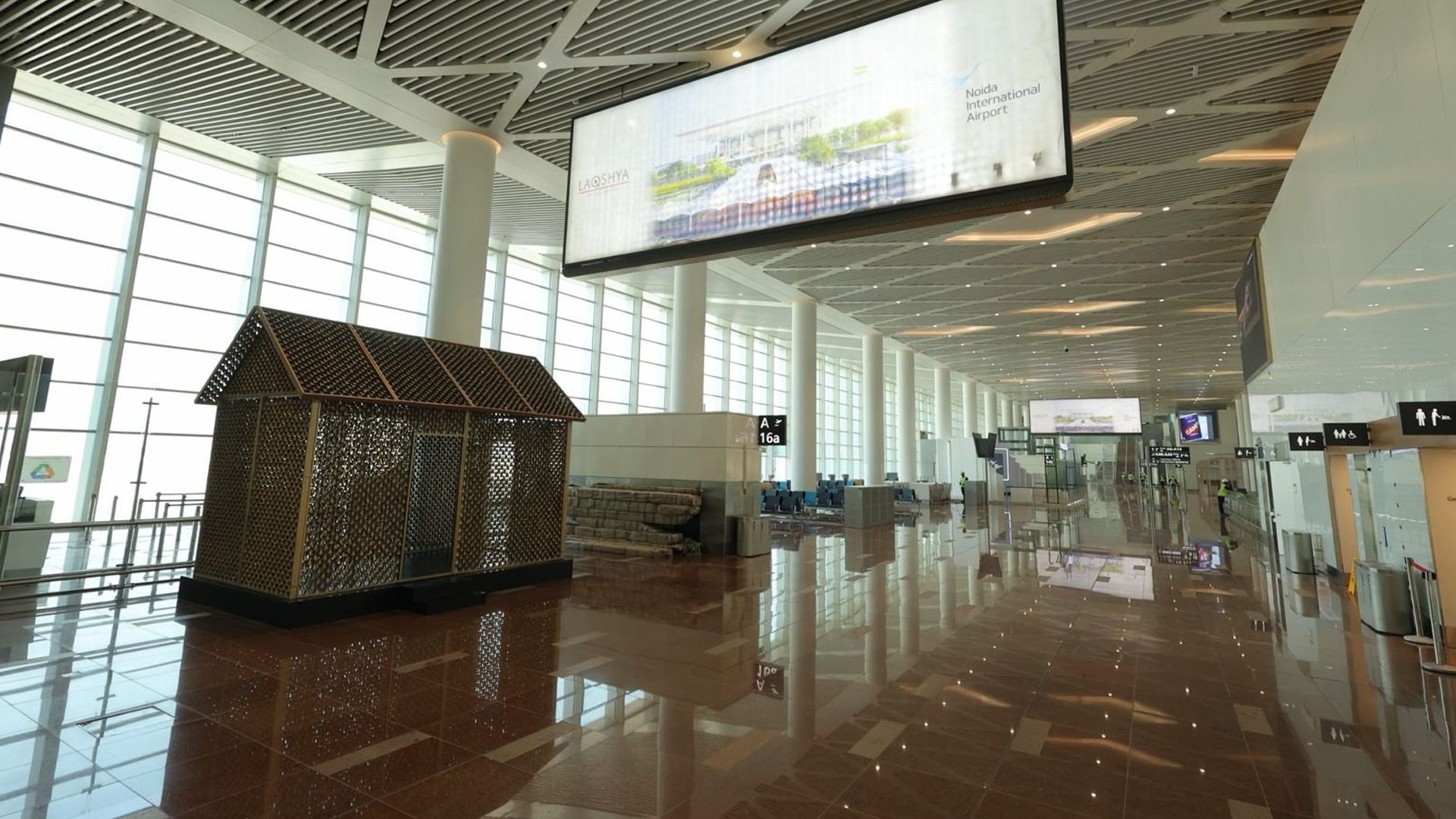
The first phase of Noida International Airport has been inaugurated by PM Modi, marking a major step in expanding air travel capacity in north India. Located in Jewar, the airport is set to become a key gateway for the Delhi-NCR region.

Designed to reduce pressure on Indira Gandhi International Airport, the new airport is expected to significantly improve passenger movement and overall connectivity. In its first phase, it includes a modern terminal, a runway, and cargo facilities, with the capacity to handle around 1.2 crore passengers annually.

Officials said the airport has been built with a strong focus on efficiency and future growth. It features multiple check-in counters, aerobridges, passenger lounges, and advanced cargo handling systems. The project is part of a larger multi-phase plan, which aims to gradually expand operations over the coming years.

Once fully developed, the airport is expected to handle up to 7 crore passengers annually, making it one of the largest aviation hubs in the country. Authorities believe this will not only strengthen regional connectivity but also drive economic growth in Uttar Pradesh and surrounding areas by creating jobs and attracting investment.

Although the infrastructure for Phase 1 is now ready, commercial flight operations are expected to begin in the coming months after necessary regulatory clearances are completed. Initial services are likely to focus on domestic routes, with international flights to be introduced at a later stage.

The airport has also been designed with sustainability in mind, incorporating eco-friendly features and planning for seamless connectivity through road and future rail networks. This is expected to make travel more convenient for passengers across the region.

Also Read: Trump’s ‘Strait of Trump’ remark draws attention