rotating globe
3 Apr 2026


Elon Musk joins Modi‑Trump call on Iran conflict

Billionaire entrepreneur participates in rare wartime discussion between India and US leaders

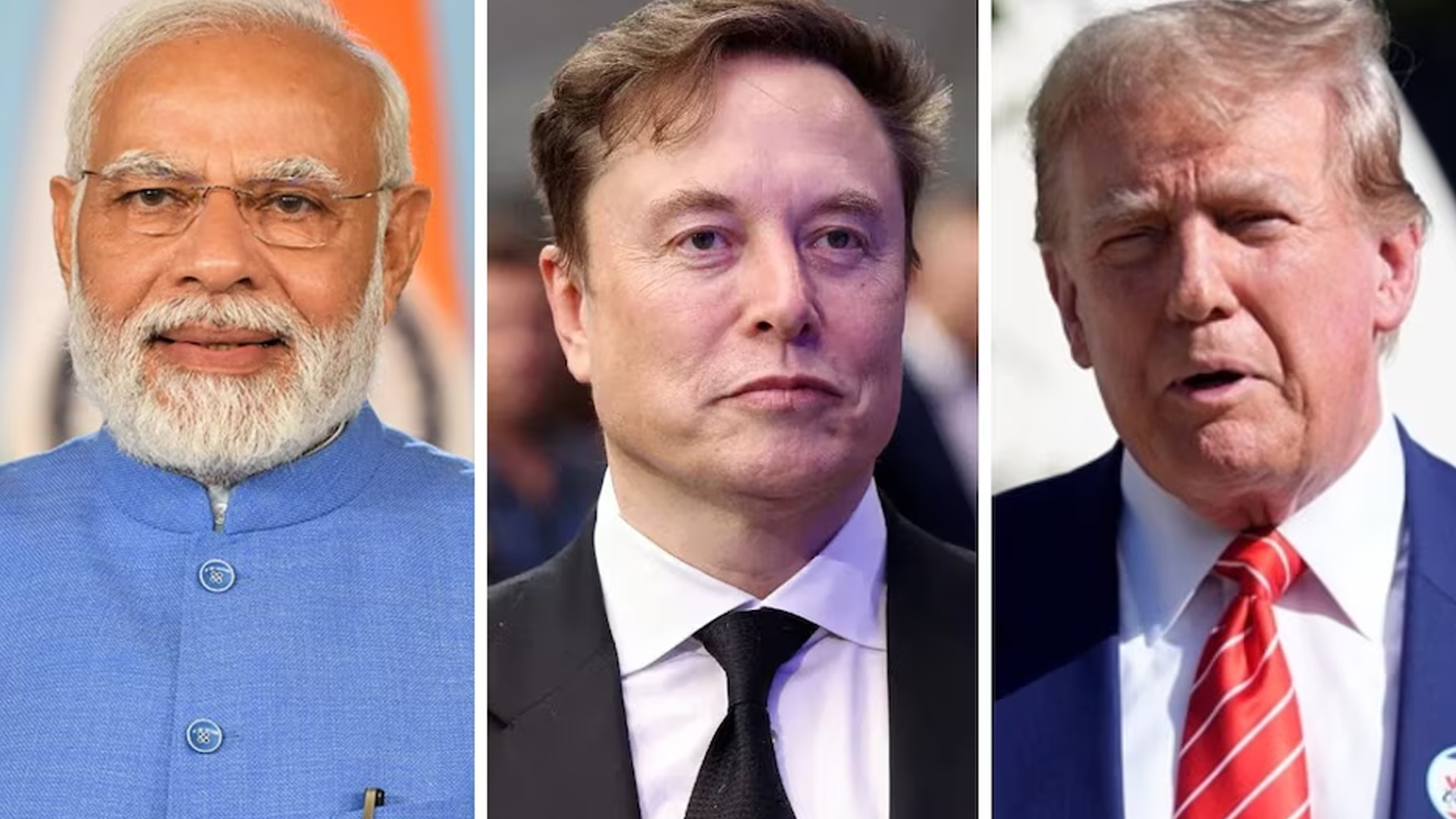
In an unusual development, Elon Musk, CEO of SpaceX and X (formerly Twitter), joined a phone call this week between Indian Prime Minister Narendra Modi and US President Donald Trump to discuss the ongoing war in Iran. The conversation comes amid rising tensions in West Asia, which have disrupted trade, energy routes, and global security.

Musk’s presence on the call has been confirmed, though officials have not disclosed why he was included or whether he spoke during the discussion. Such participation by a private citizen, even a high-profile entrepreneur, in sensitive diplomatic talks during a wartime situation is highly unusual.

The White House described the call between Modi and Trump as “productive,” emphasizing the strong strategic partnership between India and the United States. However, no official statement addressed Musk’s role or contributions.

The discussion reportedly focused on humanitarian concerns, regional security, and economic implications of the Iran war, including the impact on the Strait of Hormuz and energy markets. Analysts suggest that Musk’s involvement could relate to his leadership in satellite communication and space technology, including Starlink, which has strategic relevance in conflict zones.

Observers and commentators have noted that Musk’s inclusion highlights the increasing overlap between private tech leaders and global geopolitics. While the precise reason for his participation remains unknown, the episode reflects the growing influence of entrepreneurs in areas traditionally reserved for diplomats and government officials.

Experts say this could mark a new precedent where corporate figures are invited into discussions on international crises, though it remains unclear whether Musk had any direct influence on policy decisions.

Also Read:Israel kills Iran’s revolutionary guard navy chief
IOC bars transgender women from women’s Olympic events

New Olympic rules spark fairness debate ahead of 2028 Games

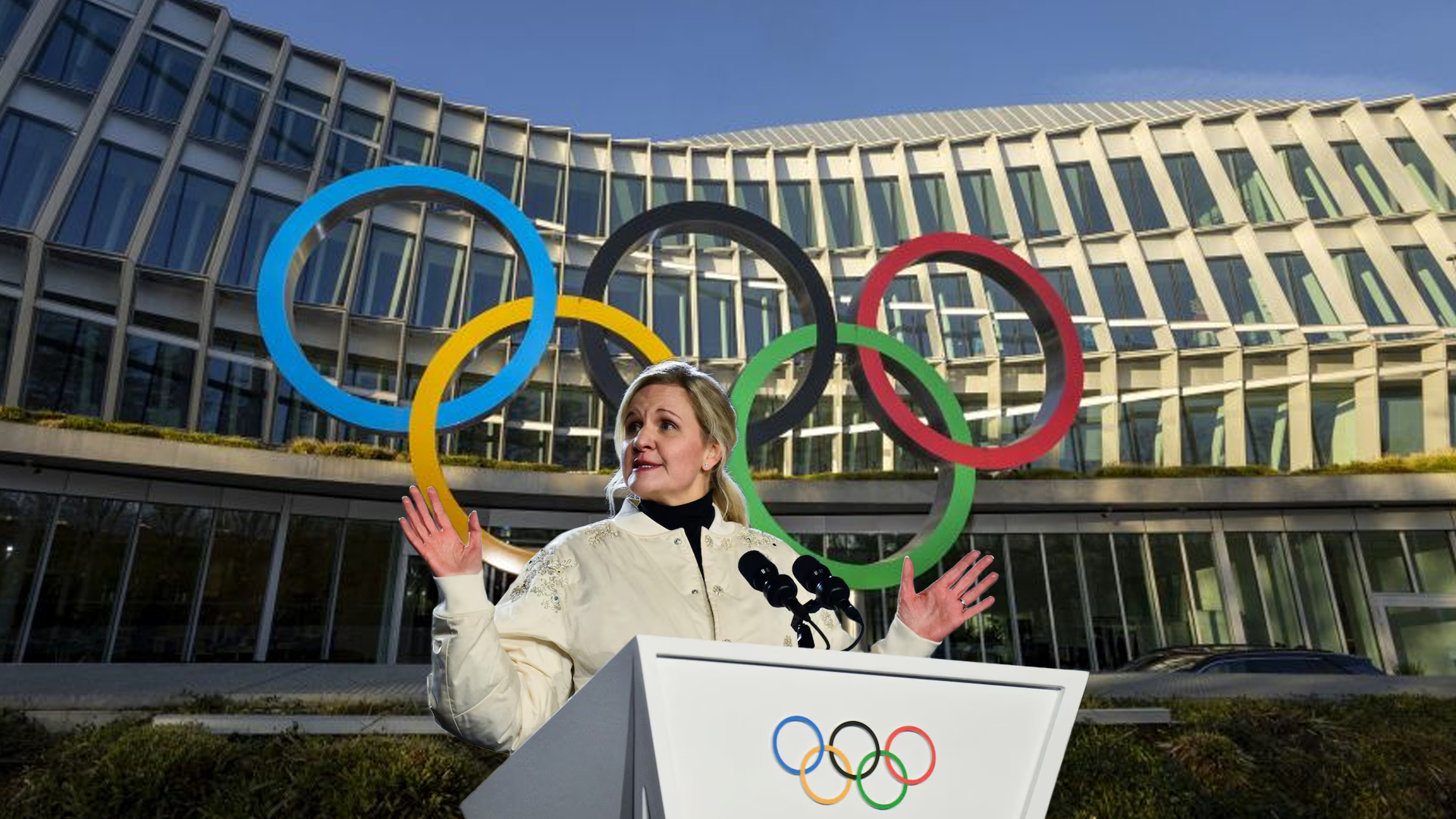
The International Olympic Committee (IOC) has introduced a major rule change, banning transgender women from competing in women’s events at the Olympic Games from 2028 onwards. The decision will come into effect at the Los Angeles Olympics and is being presented by officials as a step to ensure fairness in elite sport.

Under the revised guidelines, athletes entering women’s competitions will be required to meet stricter eligibility criteria based on biological sex. This includes a one-time verification process to determine whether an athlete has experienced male puberty, which the IOC says can lead to lasting physical advantages in strength, speed, and endurance.

IOC officials have argued that the move is grounded in scientific research and is necessary to protect the integrity of women’s sport. They maintain that a separate female category can only remain fair if competitors do not retain advantages linked to male development. The committee also stated that the policy will apply only at the highest levels of competition, such as the Olympic Games, and not to community or recreational sports.

The decision has drawn strong reactions worldwide. Supporters, including several sporting bodies and political leaders, say the new rules provide clarity and safeguard opportunities for female athletes. Some governments, including the United States administration, have welcomed the move, framing it as consistent with broader efforts to regulate participation in women’s sports.

However, critics have sharply opposed the policy. Human rights groups, medical professionals, and LGBTQ+ advocates argue that the ban is discriminatory and excludes transgender athletes from fair participation. They also question the scientific basis of the eligibility tests, warning that such measures could lead to invasive scrutiny and unintended consequences for athletes, including those with intersex variations.

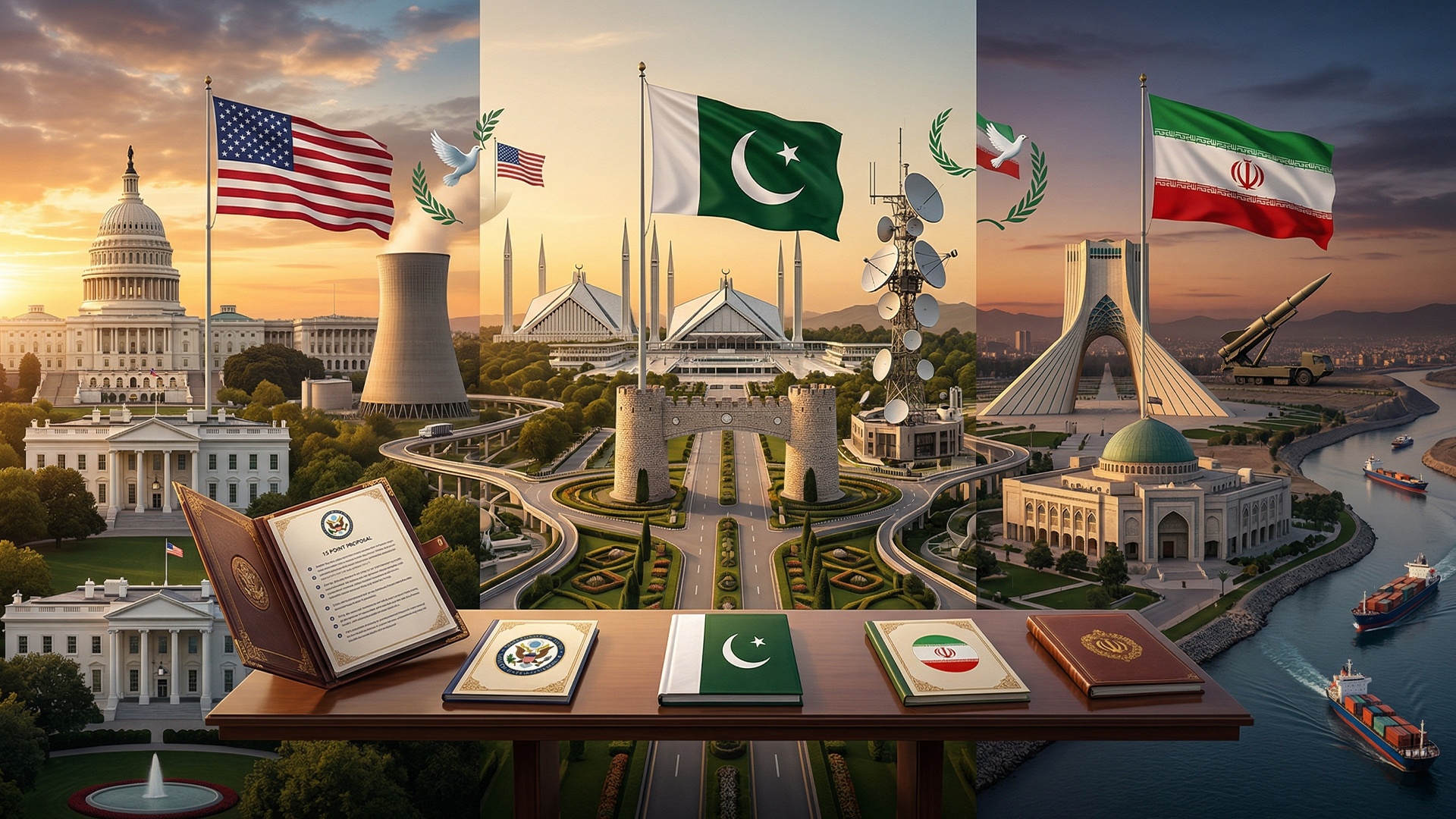
Also Read: Pakistan facilitates indirect US-Iran dialogue

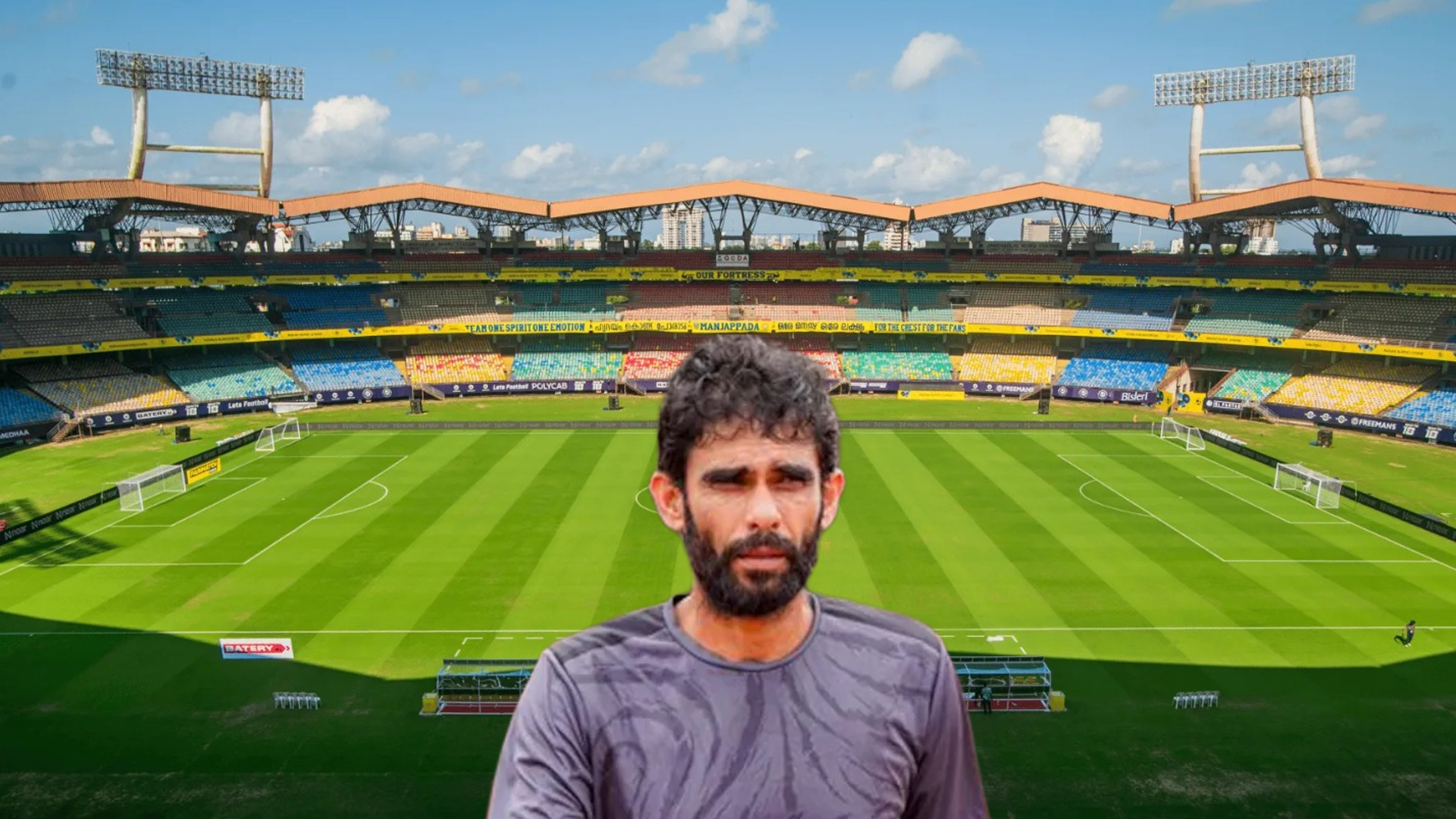
India football team coach barred from Kochi stadium

Entry denied over pending payments ahead of Asian Cup qualifier

The Indian men’s football team faced an unusual administrative setback on Thursday when head coach Khalid Jamil and several players were denied entry to Jawaharlal Nehru International Stadium in Kochi. The incident occurred just hours before their AFC Asian Cup qualifier against Hong Kong.

The team had arrived at the venue for routine pre-match activities, including a press conference and pitch inspection. However, security personnel, acting on instructions from the Greater Cochin Development Authority (GCDA), stopped Jamil and the players at the gates. Reports indicate that the denial stemmed from unpaid stadium fees that had not been cleared by the Kerala Football Association (KFA), which manages bookings and payments for the venue.

Key Indian players, including Ashique Kuruniyan, Sahal Abdul Samad, and Bijoy Varghese, were among those delayed, alongside coach Jamil. The blocked access forced the abrupt cancellation of the press briefing, a rare disruption for the national team. Sources describe the situation as an embarrassment for Indian football, highlighting lapses in administrative coordination ahead of an important international fixture.

The incident has drawn criticism from fans and football commentators, with some terming it a “new low” for Indian football administration. Concerns were raised over the impact such disruptions could have on player morale and team focus ahead of competitive matches.

Officials from the All India Football Federation (AIFF) and the stadium authorities later assured that the issue would be resolved before matchday. They confirmed that the Asian Cup qualifier against Hong Kong would proceed as scheduled and emphasized that the team’s participation in the game would not be affected.

Also Read: IOC bars transgender women from women’s Olympic events

HBO’s Harry Potter series trailer released

Fans get a first look at Hogwarts and the new cast in the highly anticipated reboot for Christmas 2026

HBO has dropped the first teaser for its new ‘Harry Potter’ television series, announcing a Christmas 2026 premiere. The show will stream globally on HBO and HBO Max, bringing the magic of J.K. Rowling’s wizarding world back to screens in a fresh, long-form format.

The series will adapt the first book, Harry Potter and the Philosopher’s Stone, but promises a deeper, more detailed retelling than the films. Each season is expected to cover one book, allowing for richer character development, expanded storylines, and more of Hogwarts’ hidden corners to shine.

A new generation of actors takes the lead where Dominic McLaughlin plays Harry, Arabella Stanton is Hermione, and Alastair Stout portrays Ron. Veteran performers will fill key adult roles, including John Lithgow as Dumbledore, Janet McTeer as McGonagall, Paapa Essiedu as Snape, and Nick Frost as Hagrid. Together, they bring both gravitas and warmth to the familiar story.

The teaser gives fans their first glimpse of Hogwarts in all its magical glory, hinting at familiar spells, mischievous adventures, and new perspectives on the wizarding world. Scenes suggest that the series will explore moments and characters that the films couldn’t fully capture, offering both nostalgia and surprises for longtime fans.

Reactions to the teaser have been lively online. Many viewers are excited by the casting and the visual style, while some are curious about how the series will balance its dark and whimsical tones.

Filming has taken place at Leavesden Studios in England, the same location as the original movies, under the guidance of showrunner Francesca Gardiner and director Mark Mylod, promising cinematic quality and careful storytelling.

With the Christmas 2026 release, this ‘Harry Potter’ series is shaping up to be one of the year’s biggest entertainment events.

Also Read: Samsung browser launches globally on Windows

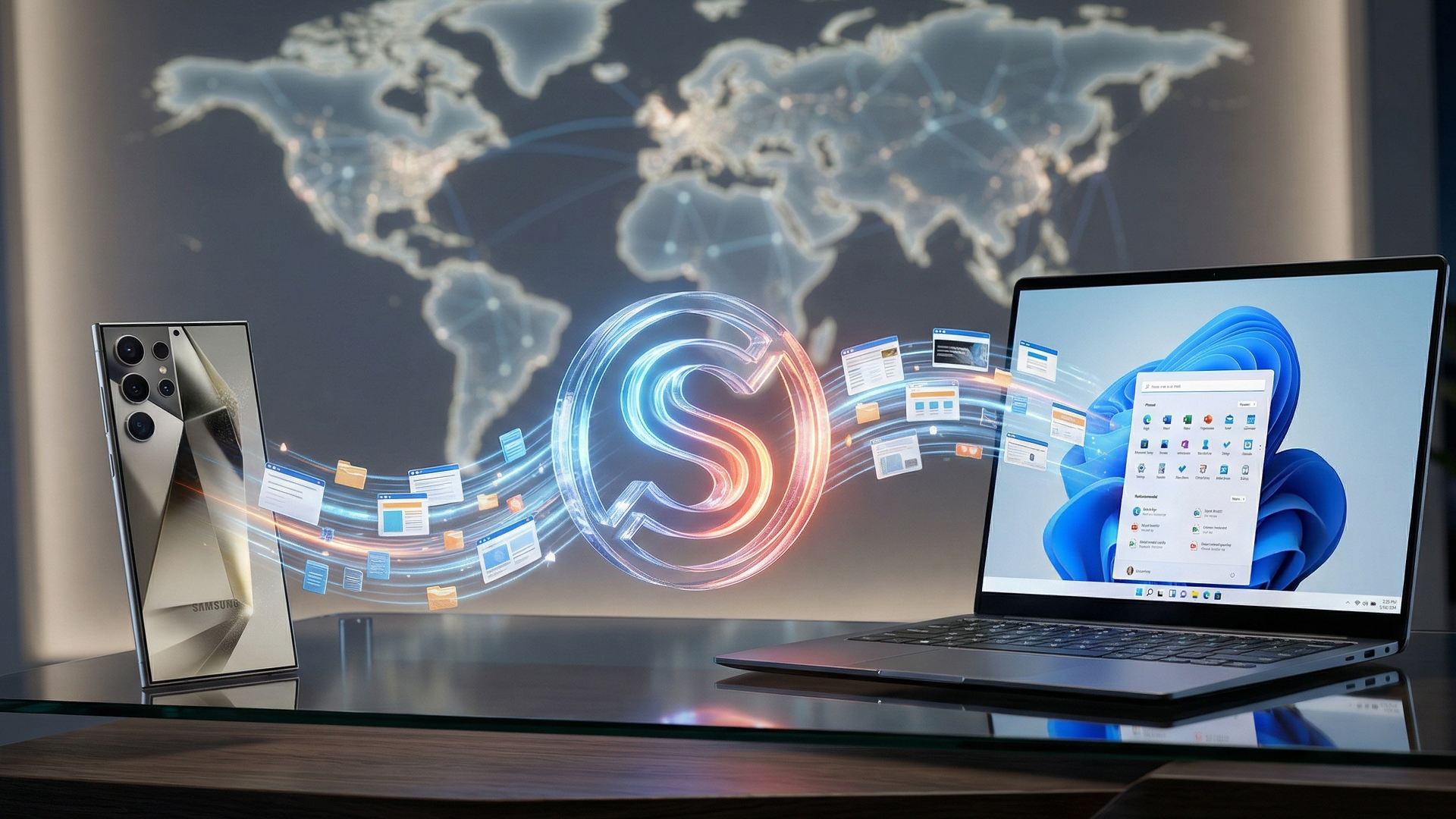
Samsung browser launches globally on Windows

New AI features and cross-device sync aim to boost user experience

Samsung has officially released its internet browser for Windows computers worldwide, ending its beta testing phase. The browser is now available for download on devices running Windows 10 and Windows 11, marking a major step in Samsung’s effort to expand its ecosystem beyond mobile devices.

The launch allows users to access the Samsung Internet Browser on their PCs and sync data seamlessly with their smartphones and tablets. Features such as bookmarks, browsing history, and open tabs can now be shared across devices using a single Samsung account. This makes it easier for users to switch between devices without losing their browsing progress.

A major highlight of the browser is the introduction of advanced artificial intelligence features. Samsung is bringing “agentic AI” capabilities into the browser, allowing it to perform tasks more intelligently. Users can ask the browser to summarise web pages, organise information from multiple tabs, or provide quick answers based on the content they are viewing.

These AI features are designed to make browsing more interactive and efficient. Instead of manually searching and comparing information, users can rely on the browser to assist them in real time. Samsung says this reflects a shift toward smarter digital tools that act more like personal assistants.

The company has also stated that this development is part of a larger plan to expand AI across its ecosystem of devices. While some advanced features are currently limited to specific regions, Samsung is expected to roll them out more widely in the future.

With this global release, Samsung is positioning its browser as a strong competitor in the desktop browsing market. By combining cross-device connectivity with AI-powered tools, the company aims to offer a more seamless and intelligent browsing experience for users worldwide.

Also Read: IOC bars transgender women from women’s Olympic events

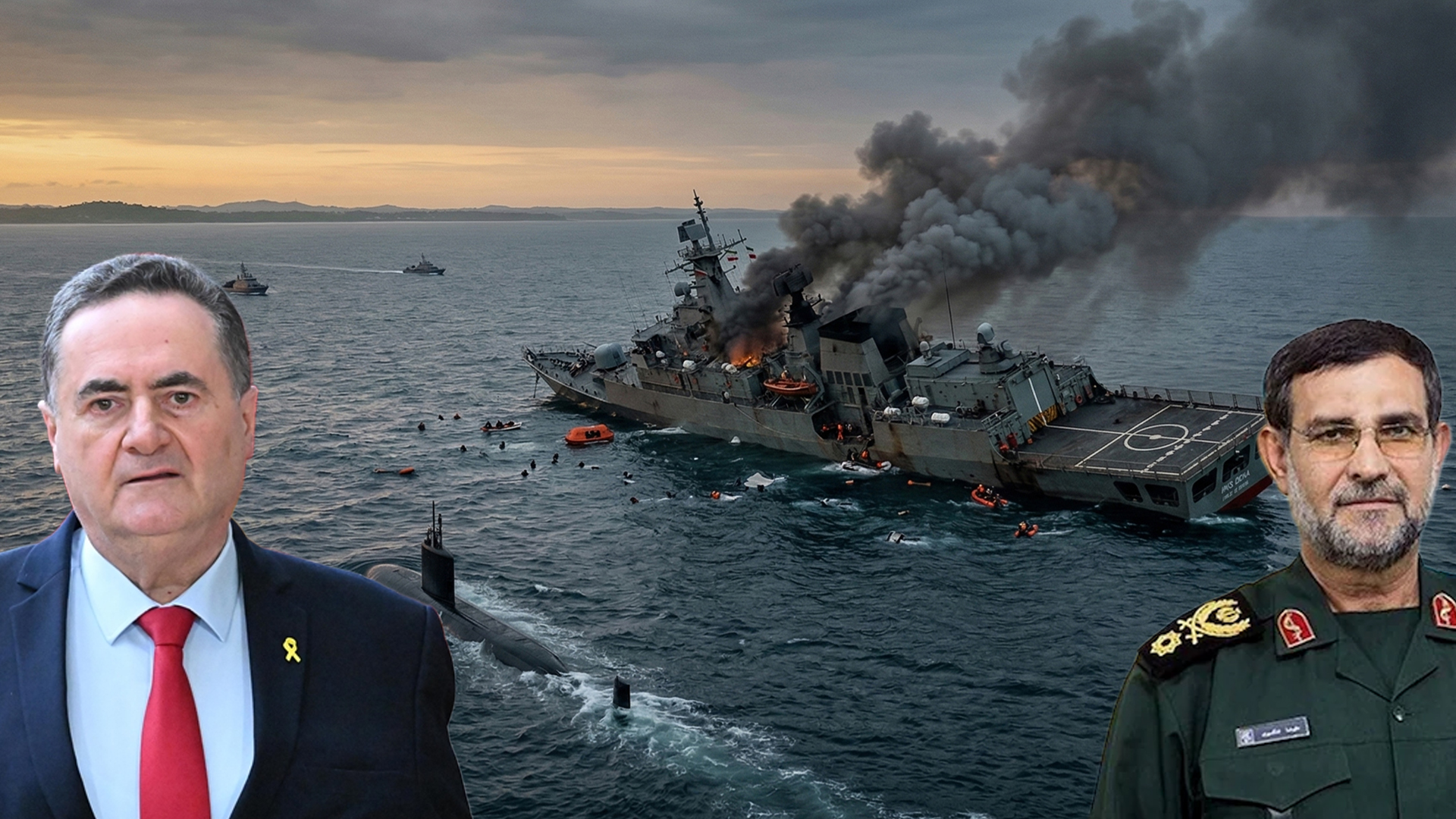
Israel kills Iran’s revolutionary guard navy chief
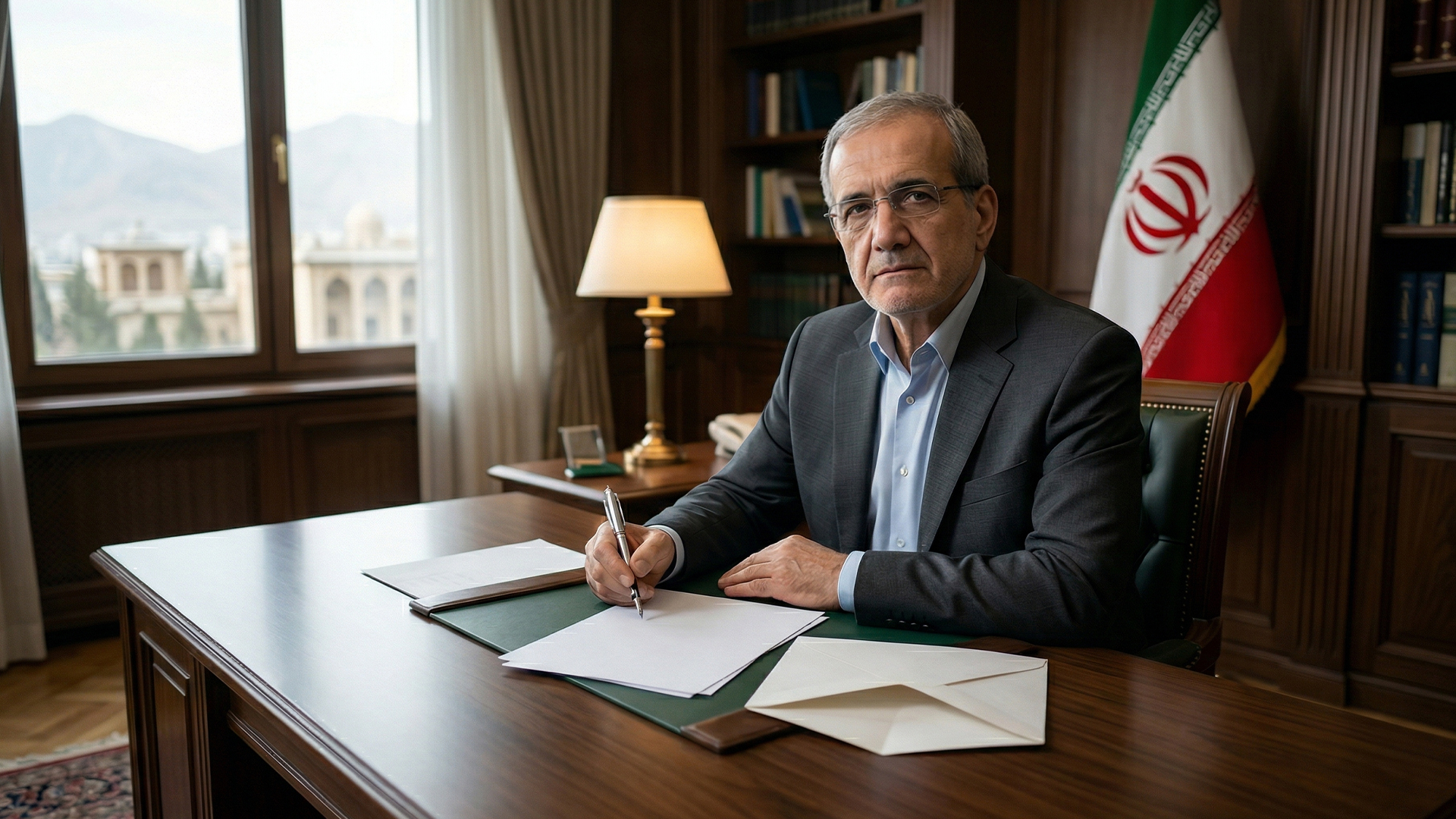
IRGC Navy chief Alireza Tangsiri reportedly killed in Israeli strike. Iran is silent

Israeli Defence Minister Israel Katz announced that a targeted Israeli airstrike killed Alireza Tangsiri, the commander of Iran’s Islamic Revolutionary Guard Corps (IRGC) Navy, in the southern port city of Bandar Abbas. The United States confirmed Tangsiri’s death, though Tehran has not issued a public statement on the incident.

Tangsiri was a central figure in Iran’s naval operations, particularly around the Strait of Hormuz, a key shipping route for global oil and gas. Israel said he played a leading role in coordinating naval operations that threatened international shipping and regional security. The strike was described by Israeli officials as “precise and lethal,” targeting not only Tangsiri but also other senior IRGC Navy officers, though Iran has not confirmed any additional casualties.

Tangsiri, who had led the IRGC Navy since 2018, was known for strengthening Iran’s maritime forces with missiles, fast attack boats, and drones. He had previously been sanctioned by the United States and other countries for his role in Iran’s military operations.

While the United States confirmed the commander’s death, international reactions have been cautious, with diplomats urging restraint to prevent further escalation. Iran has yet to announce its formal response, leaving questions about potential retaliation or military moves in the region.

Also Read:

Navy’s ‘Urja Suraksha’ to protect oil routes

India moves to secure fuel supplies amid West Asia tensions

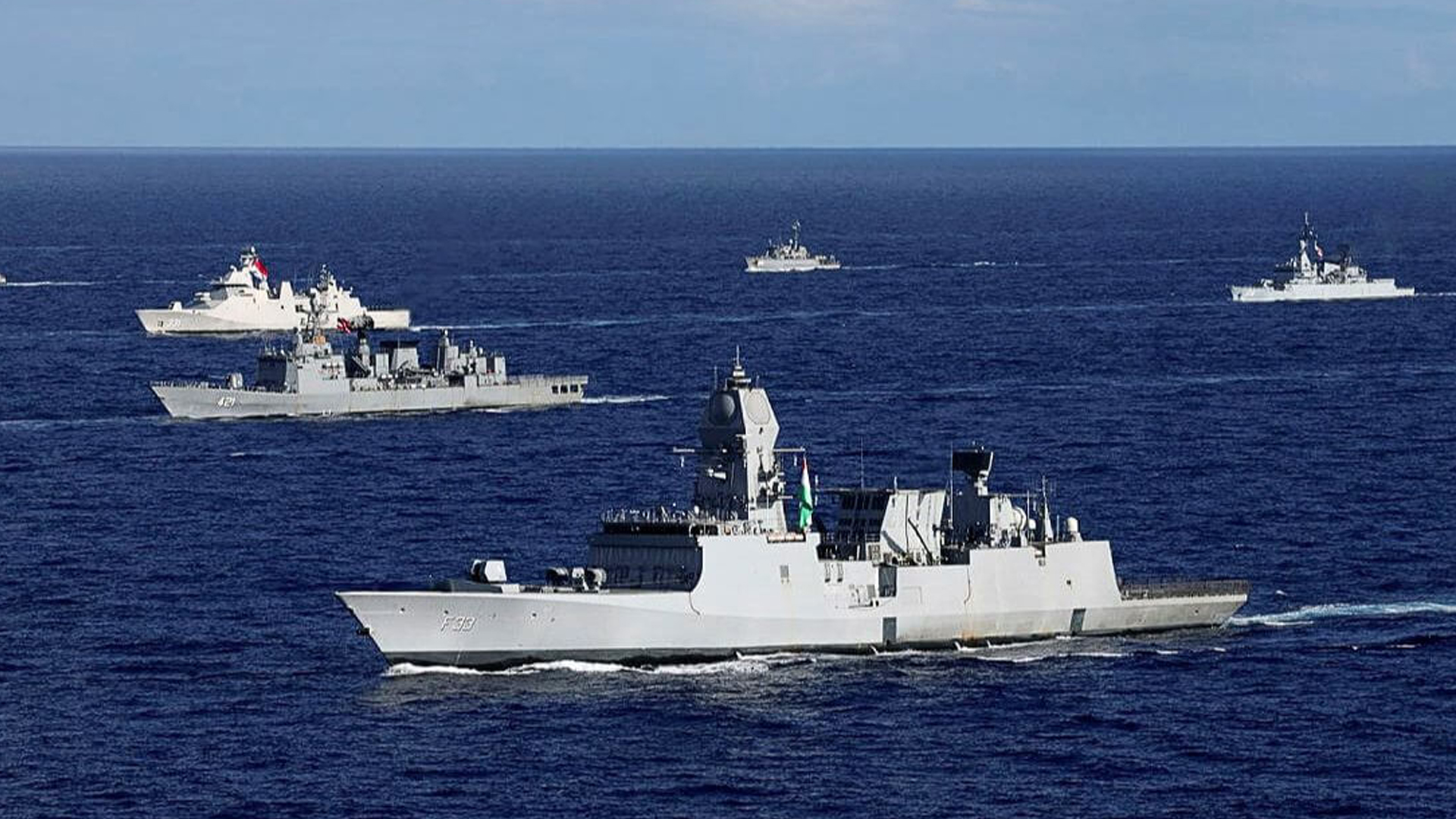
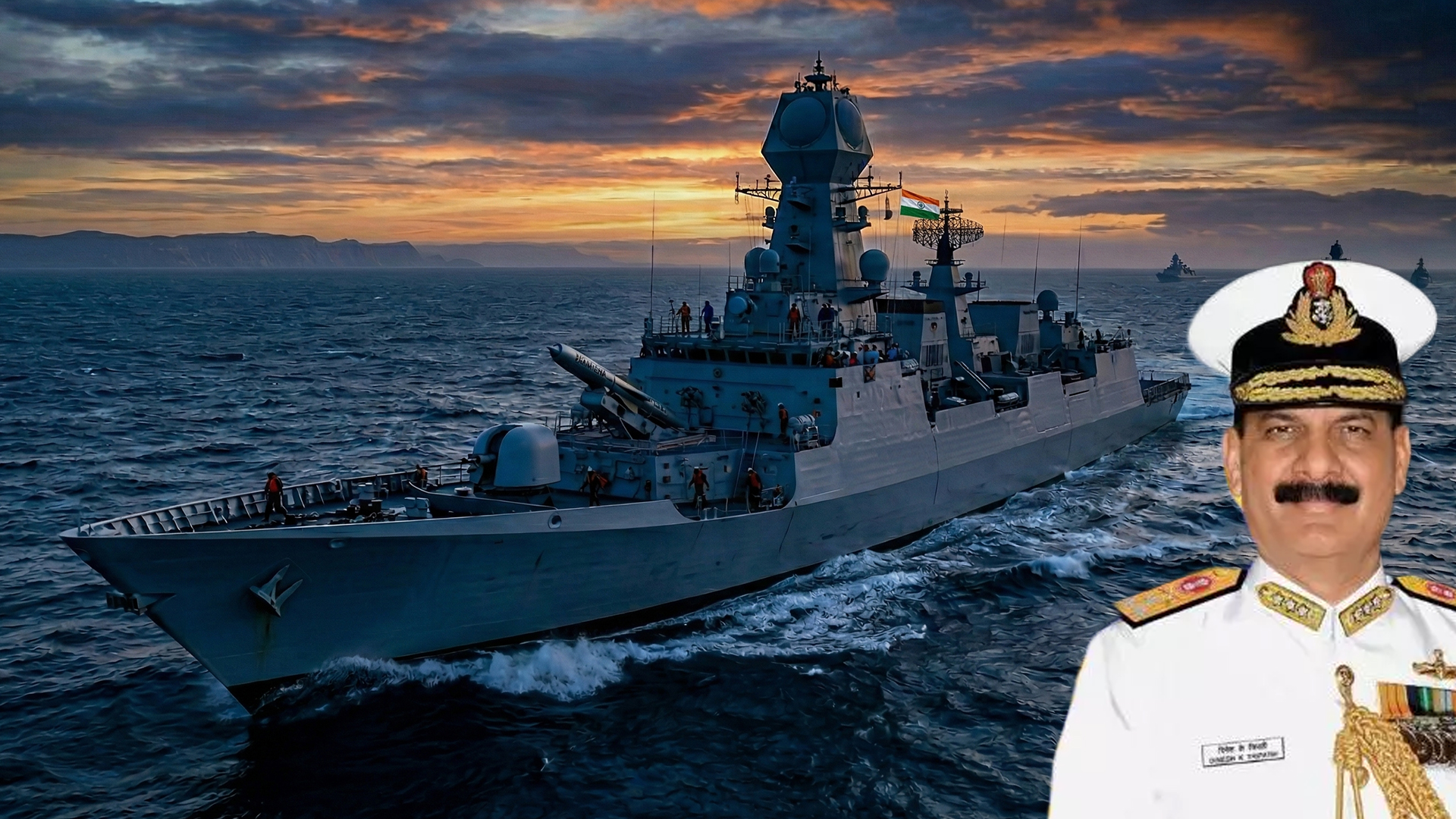
With tensions rising in West Asia, the Indian Navy has started Operation ‘Urja Suraksha’ to protect the country’s vital energy supply routes. The focus is on the Strait of Hormuz, a narrow but crucial passage through which a large share of India’s oil imports travel.

India depends heavily on oil and gas shipments from the Gulf region, and any disruption in this route can impact fuel availability and prices back home. To prevent this, the Navy has stepped in to ensure that ships carrying crude oil, LPG, and LNG reach safely.

As part of the operation, several Indian warships have been deployed in and around the Gulf of Oman. These ships are helping commercial vessels by escorting them through sensitive areas and guiding them along safer routes. The Navy is also providing real-time support to ships to avoid potential threats.

This step comes at a time when the region has become increasingly unstable due to ongoing conflicts. While many incoming threats are intercepted, risks still remain from attacks or falling debris, making the route dangerous for civilian ships.

So far, the Navy has already helped multiple Indian and foreign vessels pass through the region safely. These efforts are especially important as delays or disruptions in shipments could affect fuel supply and increase costs in India.

Officials say the operation shows India’s readiness to act quickly to protect its economic interests. Along with military support, the government is also working through diplomatic channels to ensure stability in the region.

Also Read: Indian killed in Abu Dhabi strike

Periasamy Kumaran appointed India’s envoy to UK

Experienced diplomat to strengthen India-UK ties

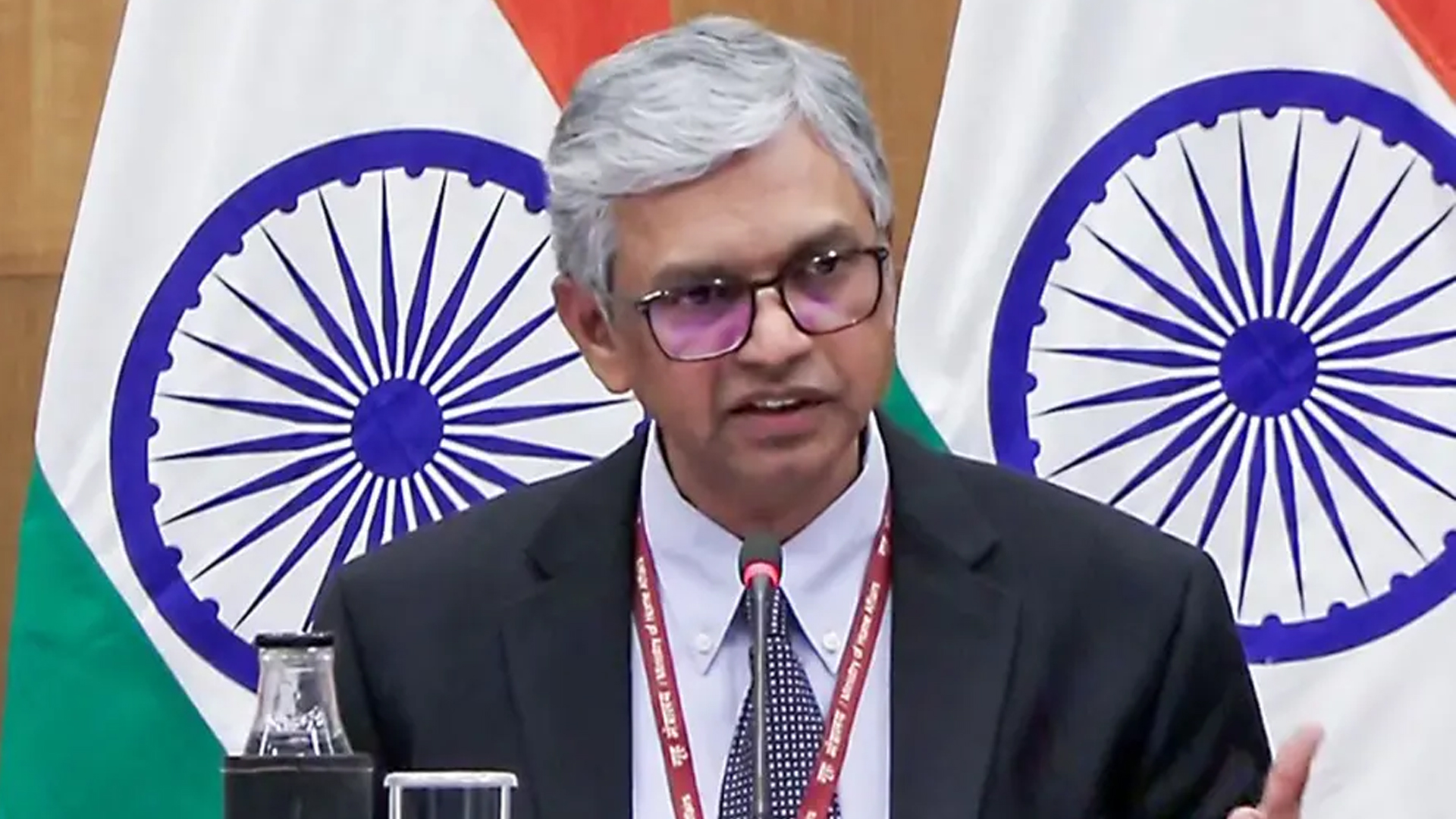
India has appointed senior diplomat Periasamy Kumaran as its next High Commissioner to the United Kingdom. The announcement was made by the Ministry of External Affairs, and he is expected to take up the role soon.

Kumaran is a 1992-batch Indian Foreign Service officer and currently serves as Secretary in the ministry. He will replace Vikram Doraiswami, who has been moved to a new diplomatic role.

With over 30 years of experience, Kumaran has held several important positions in India and abroad. His early postings included cities like Cairo, Tripoli, and Brussels, where he handled key diplomatic responsibilities.

He has also worked in important missions in Islamabad, Washington, and Colombo, gaining wide international exposure. In India, he served as Regional Passport Officer in Bengaluru and handled various roles related to foreign policy.

Kumaran later served as India’s Ambassador to Qatar from 2016 to 2020 and as High Commissioner to Singapore from 2020 to 2023. These roles helped strengthen India’s ties with both countries, especially in trade and strategic cooperation.

In recent years, he has been involved in handling economic relations and development partnerships at the Ministry of External Affairs. His work has focused on expanding India’s global engagement and partnerships.

His appointment comes at a time when India and the United Kingdom are working to deepen their relationship in areas such as trade, investment, and security. As High Commissioner, Kumaran will represent India’s interests and work to further improve ties between the two countries.

Also Read: ECI seizes ₹400 cr in poll bribes