rotating globe
3 Apr 2026


India sets 2035 climate targets

47% emission cut, 60% clean energy capacity goal

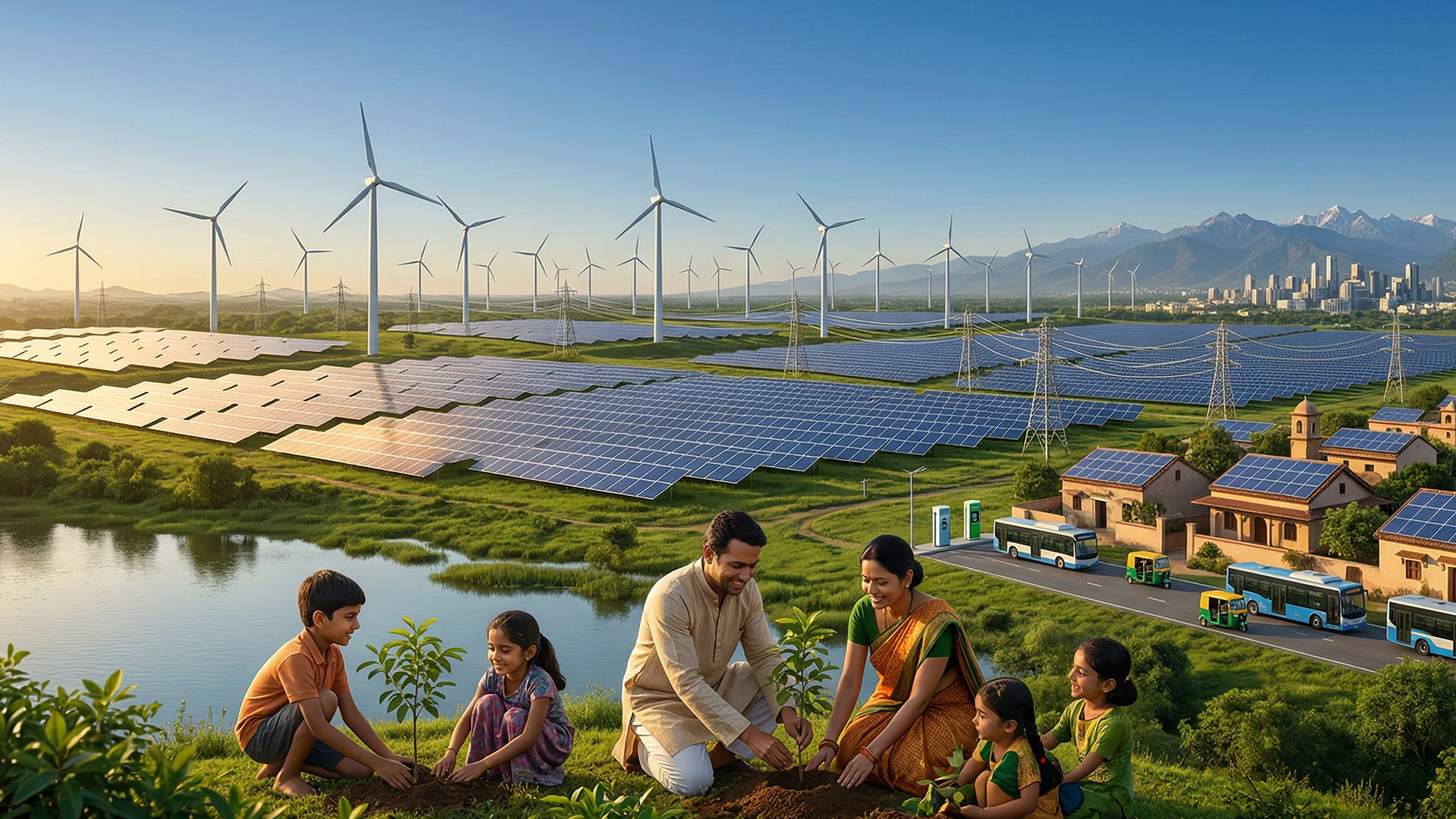
India has approved its updated climate action plan for 2035, setting more ambitious targets to reduce emissions and expand clean energy. The new goals are part of its revised Nationally Determined Contributions (NDC 3.0), which outline the country’s strategy to tackle climate change while supporting economic growth.

Under the plan, India aims to cut its emissions intensity by 47% from 2005 levels by 2035. Emissions intensity refers to the amount of carbon dioxide released per unit of GDP, meaning the country plans to grow its economy while reducing the carbon footprint of that growth.

Another major target is to increase the share of non-fossil fuel-based power capacity to 60%. This includes energy from renewable sources such as solar, wind, hydro, and nuclear power. The move reflects India’s ongoing shift away from coal and other fossil fuels toward cleaner energy options.

The plan also includes efforts to strengthen carbon sinks, mainly through expanding forest and tree cover. India aims to absorb billions of tonnes of carbon dioxide through these natural methods, helping offset emissions from industries and other sectors.

These updated targets build on India’s earlier commitments for 2030, where it had already pledged a 45% reduction in emissions intensity and 50% non-fossil power capacity. India has already made significant progress, achieving its clean energy capacity target ahead of schedule.

The new roadmap aligns with India’s long-term goal of achieving net-zero emissions by 2070. Officials say the targets strike a balance between environmental responsibility and the country’s development needs, as energy demand continues to rise with economic growth.

Also Read: US currency to carry Trump’s signature

US currency to carry Trump’s signature

Treasury ends 165-year-old practice in symbolic design shift

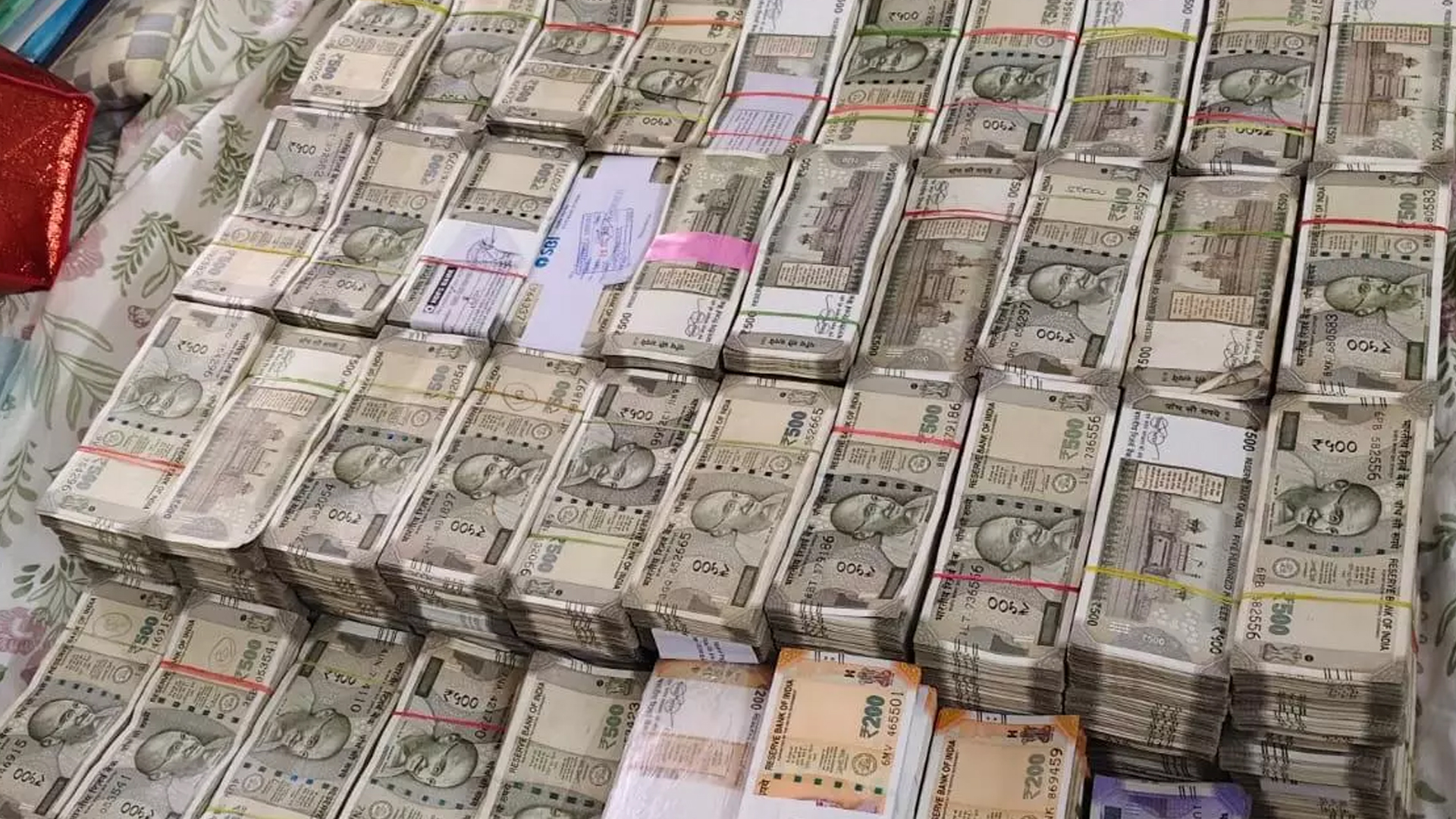
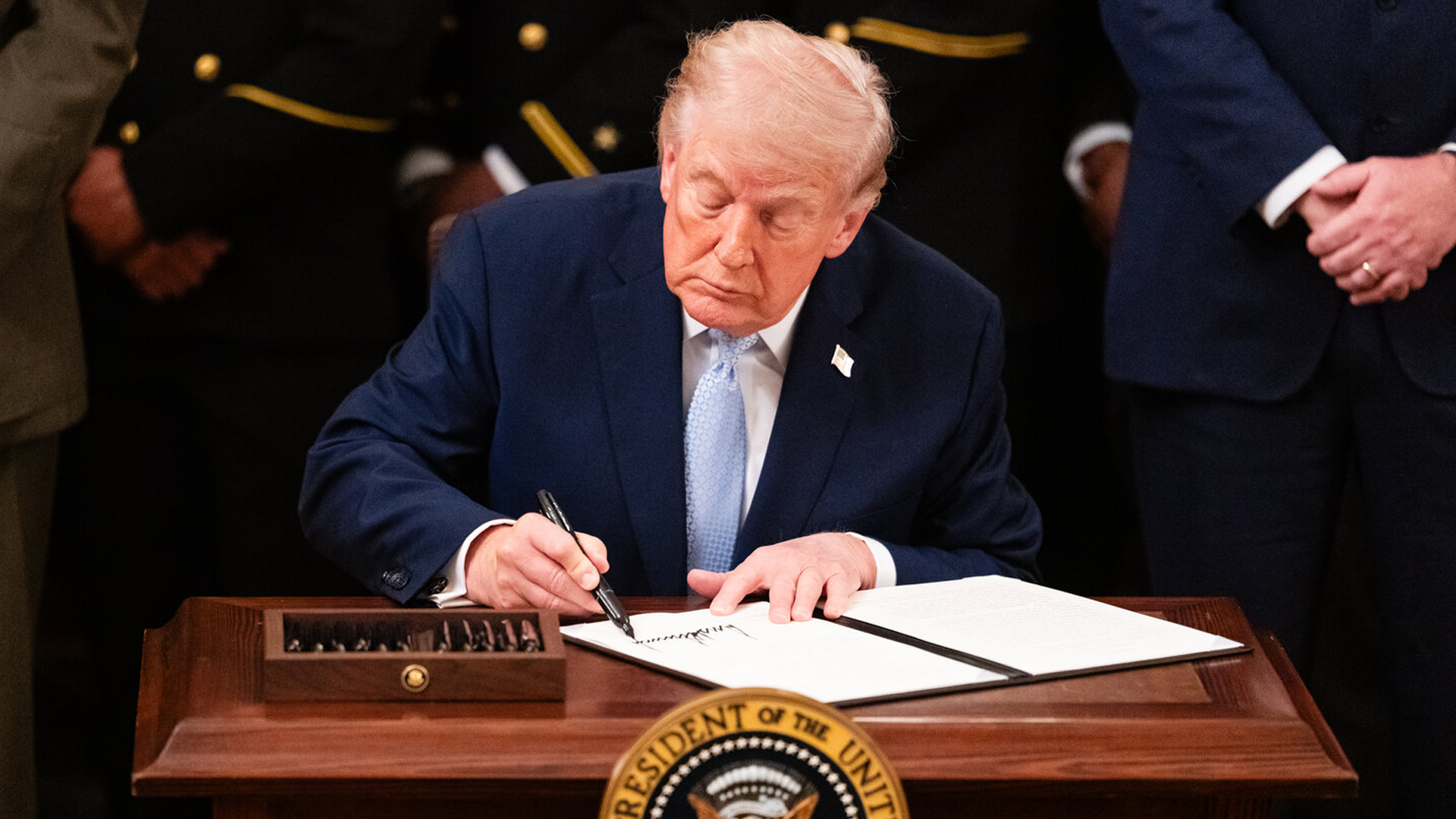
In a significant policy change, the US Treasury will introduce Donald Trump’s signature on new paper currency, marking a departure from a 165-year-old tradition.

Until now, US banknotes have featured the signatures of the Treasury Secretary and the US Treasurer. Under the new system, the treasurer’s signature will be removed and replaced with that of the president, alongside the Treasury Secretary’s signature.

The rollout is expected to begin in June 2026, starting with the $100 bill. Other denominations will be updated gradually. Existing notes will continue to remain in circulation and will not be affected by the change.

Officials have described the move as part of a broader symbolic update linked to upcoming national milestones, including the 250th anniversary of American independence. The overall design and security features of the currency will remain unchanged.

From an economic standpoint, the impact is expected to be minimal. The change is largely cosmetic and does not affect the value of the dollar, monetary policy, or financial markets. However, it represents a notable shift in long-standing institutional practice.

Also Read: Balen Shah to take oath as Nepal PM

Balen Shah to take oath as Nepal PM

35-year-old ex-rapper set to become youngest prime minister after big election win

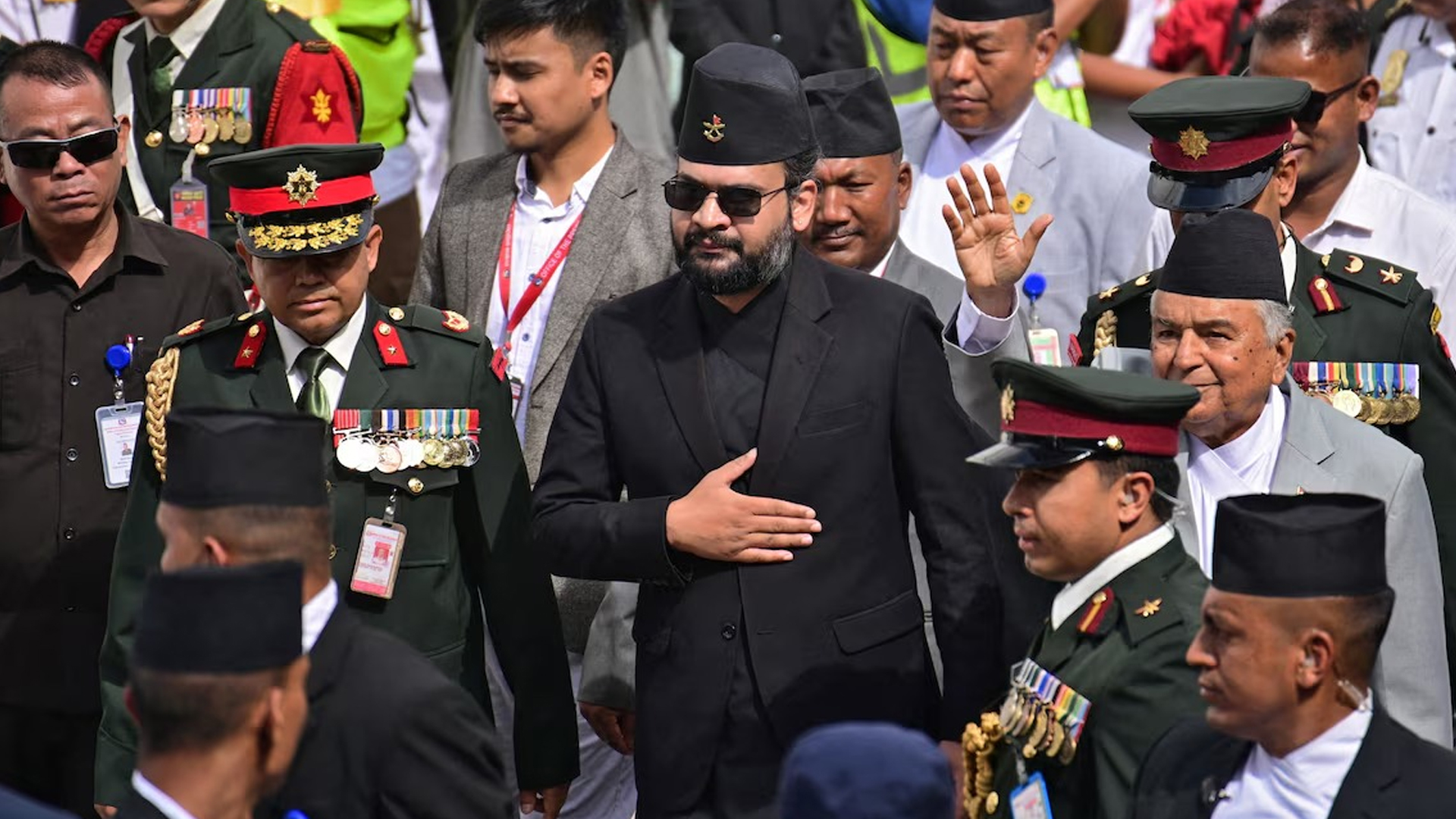
Former rapper Balendra “Balen” Shah, 35, will take oath as Nepal’s Prime Minister today, becoming the youngest person to hold the post. His rise marks a major shift in the country’s politics.

Shah’s party secured a strong victory in the recent elections, defeating long-established political groups. His campaign gained wide support, especially from young voters who were looking for change and better governance.

Before entering politics, Shah was known for his music career. He later moved into public life and gained popularity as the Mayor of Kathmandu, where he focused on clean governance and development issues. His performance helped build his image as a leader who could bring change.

His elevation to the top post comes after a period of political unrest and public dissatisfaction with traditional parties. Protests and calls for reform in recent years played a key role in reshaping the political landscape and opening the door for new leaders like him.

As he takes charge, Shah faces several challenges, including improving the economy, creating jobs, and addressing corruption. Maintaining stability and meeting high public expectations will also be crucial for his government.

Also Read: India has 60 days of fuel stock

Petrol duty cut to ₹3, diesel to zero

Centre moves to ease pressure from rising crude prices, also slashes taxes by ₹10

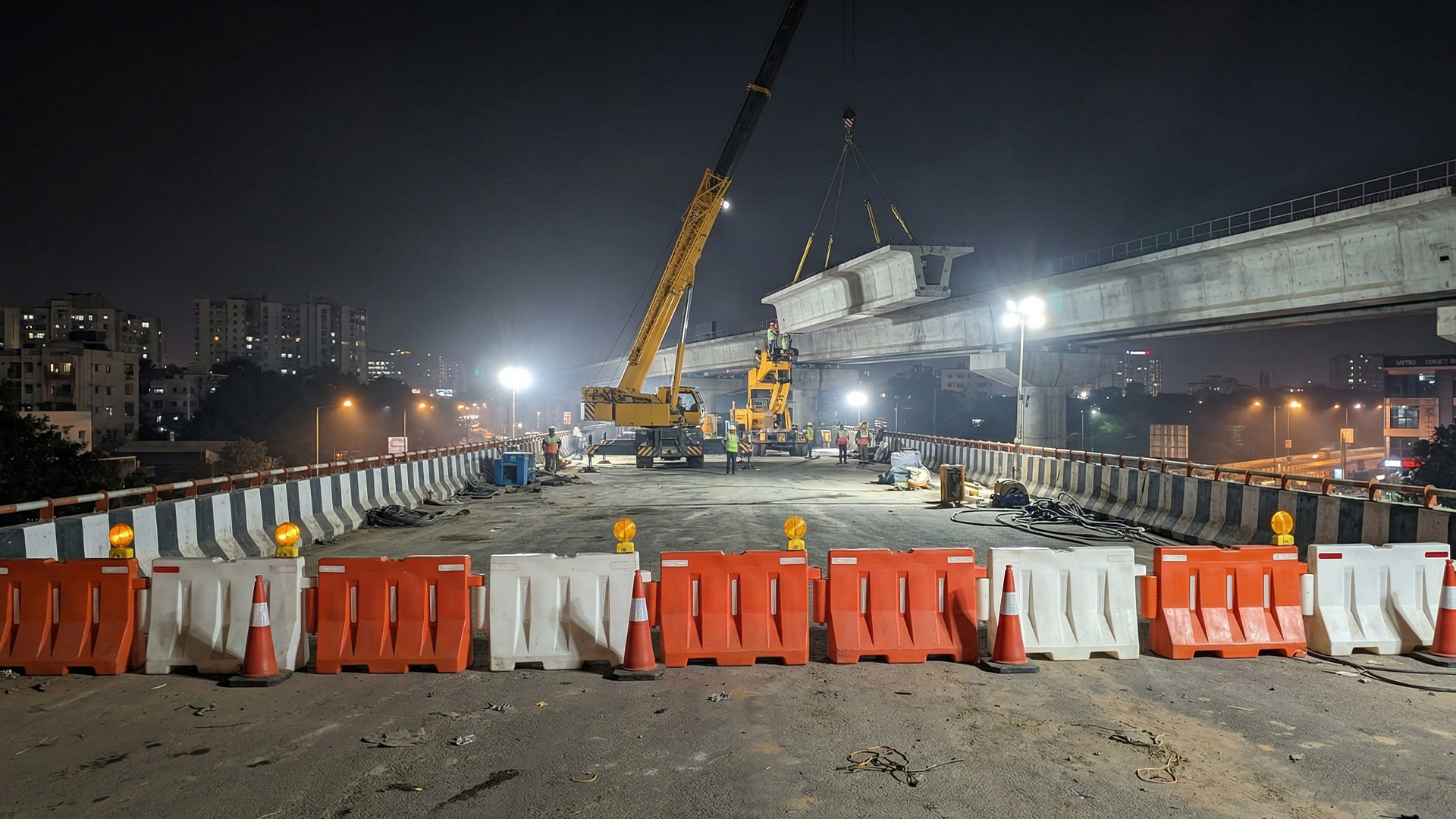
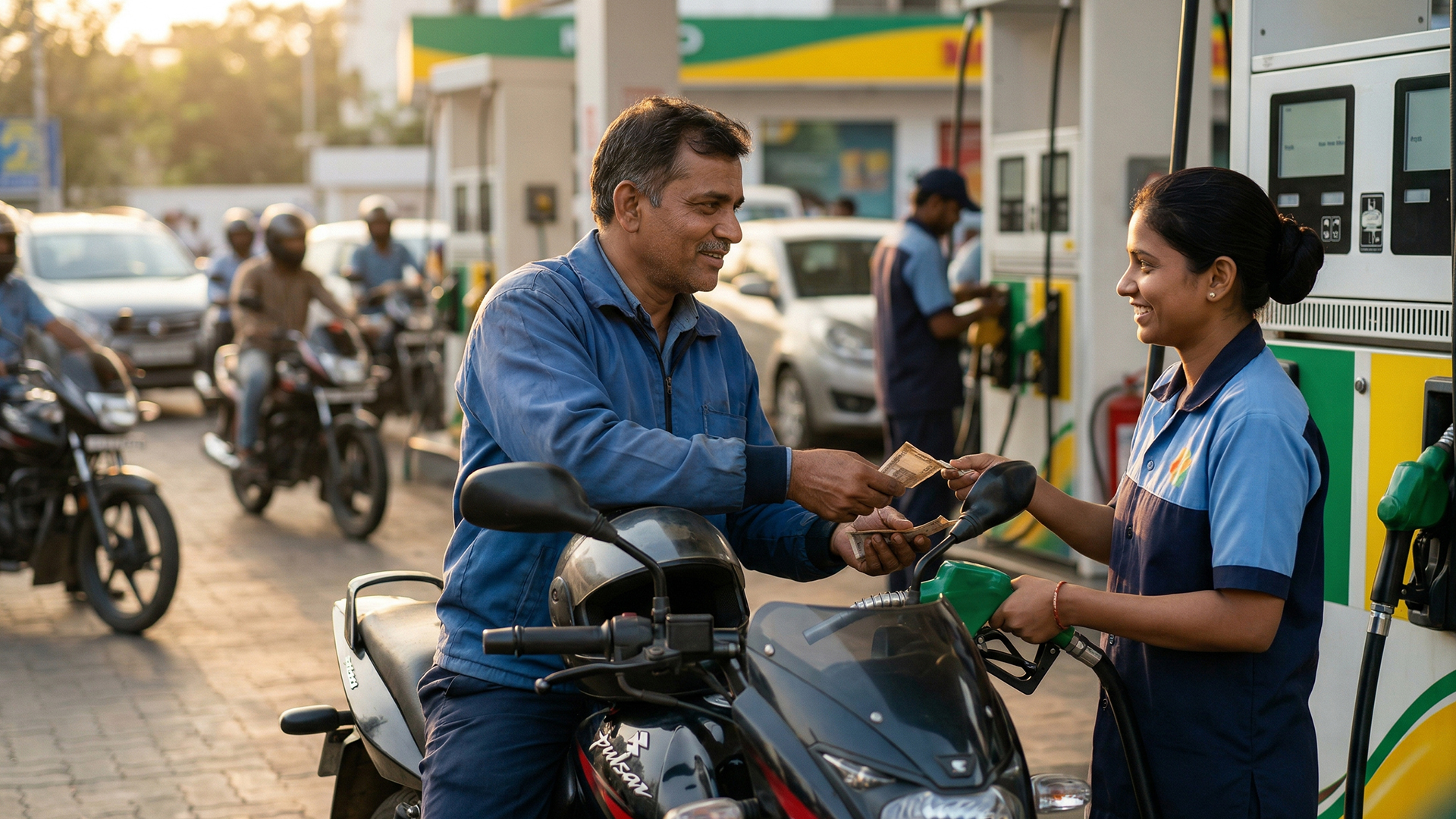
In a big relief measure, the central government on 27 March 2026 reduced excise duty on fuel to help manage rising global oil prices. The duty on petrol has been cut from ₹13 to ₹3 per litre, while diesel duty has been reduced from ₹10 to zero. This means a total tax reduction of ₹10 per litre on both fuels.

The decision comes as crude oil prices have risen sharply due to tensions in the Middle East. Concerns over supply disruptions, especially through key routes like the Strait of Hormuz, have pushed global oil prices higher. Since India imports most of its crude oil, this increase directly affects fuel costs in the country.

The government said the tax cut is meant to reduce the burden on consumers and control inflation. Instead of passing the full impact of rising crude prices to the public, the Centre has chosen to absorb part of the cost by lowering taxes.

However, people may not see an immediate drop in petrol and diesel prices at fuel stations. Oil marketing companies (OMCs) such as Indian Oil, BPCL, and HPCL have been facing losses because they are selling fuel at lower prices than the actual cost. Experts say these companies may first use the tax cut to recover their losses rather than reduce retail prices right away.

In recent weeks, crude oil prices have jumped significantly—from around $70 per barrel to over $100–$120 per barrel. This sharp rise has increased the financial pressure on fuel retailers and the government.

To manage the situation better, the government has also taken steps like imposing export duties on petroleum products. This is aimed at ensuring enough fuel is available within the country and to prevent further price spikes.

Also Read: Iran rejects US peace proposal, sets 5 conditions

OpenAI axes Sora, ends Disney deal

Cost pressures and safety concerns push AI firm to rethink video ambitions

OpenAI has shut down its AI video-generation tool Sora, marking a significant pullback from its push into AI-created video content. The decision also brings an end to its reported $1 billion collaboration with Disney, which had planned to explore the use of AI-generated visuals.

Sora had generated considerable buzz for its ability to turn simple text prompts into realistic, high-quality videos. It was seen as a major step forward in generative AI, with potential applications in entertainment, advertising, and content creation. However, despite its promise, the tool faced practical and ethical hurdles that proved difficult to overcome.

One of the main challenges was the sheer cost of running the technology. Video AI models demand massive computing resources, making them far more expensive than text or image-based systems. As usage increased, maintaining the platform became increasingly unsustainable.

At the same time, concerns around misuse continued to grow. Critics pointed to the risks of deepfakes, misinformation, and copyright issues, especially when it came to recreating real people or protected content. These concerns added pressure on OpenAI to ensure tighter controls, slowing down wider deployment.

The closure also impacts its partnership with Disney, which had shown interest in integrating AI-generated content featuring its well-known characters. With Sora no longer in operation, those plans have been shelved.

OpenAI said it will now concentrate on areas that offer more immediate value, including improving its existing AI tools and expanding enterprise-focused solutions. The company is increasingly prioritising technologies that are easier to scale and manage responsibly.

Also Read: Railways fines IRCTC over tainted meal

Ranveer Singh to apologise in Kantara row

Actor to visit Chamundi Hill after court pulls up remarks

Actor Ranveer Singh has agreed to apologise and undertake a temple visit following a controversy linked to remarks made during a stage performance referencing the film Kantara.

The matter came up before the Karnataka High Court, where the actor has filed a petition seeking to quash an FIR registered against him. During the hearing, his counsel informed the court that Singh is willing to submit a formal apology through an affidavit and will also visit Chamundi Hill as a mark of respect.

The controversy dates back to a Filmfare Awards event held in Goa, where Singh performed a mimicry act. During the act, he allegedly referred to “Chavundi Daiva”, a deity linked to local traditions depicted in Kantara, in a way that was perceived as disrespectful. The remark triggered backlash, particularly in Karnataka, where the cultural and religious significance of the tradition is deeply rooted.

Following the incident, a complaint was filed, leading to the registration of a case against the actor on charges related to hurting religious sentiments. The issue has since drawn attention to the responsibilities of public figures while addressing culturally sensitive subjects.

During the proceedings, the High Court observed that such remarks by widely followed personalities can have a broader impact and should be made with caution. It indicated that an apology and corrective action could help address concerns raised by the complainant.

However, the complainant’s side expressed reservations about a written apology alone, suggesting that a more direct and personal gesture, such as visiting the temple and offering respects, would be more appropriate.

Also Read: 13 die in Andhra bus fire after crash