rotating globe
3 Apr 2026


Iran rejects US peace proposal, sets 5 conditions

Tehran says ceasefire only possible on its own terms

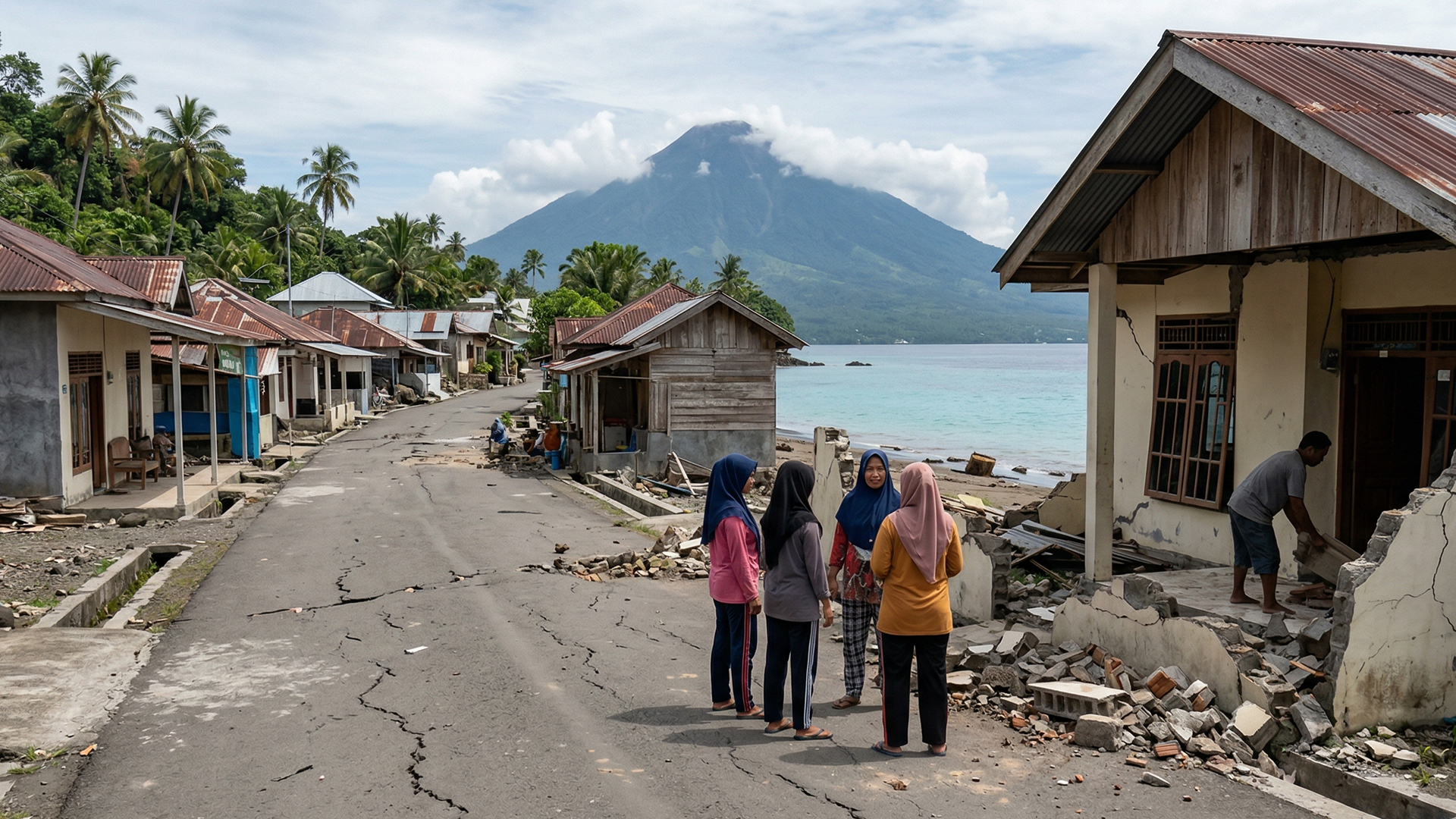
Iran has rejected a US proposal to end the ongoing war, stating it will agree to a ceasefire only if its own conditions are met. Tehran called the US plan unacceptable, saying any peace deal must happen on Iran’s terms.

According to Iranian officials, the country has listed five key conditions for stopping the conflict. These include a complete halt to attacks, mechanisms to prevent future fighting, compensation for war damages, an end to hostilities on all fronts, and international recognition of Iran’s control over the Strait of Hormuz, a vital waterway for global trade.

The US plan reportedly offered sanctions relief and an end to fighting if Iran limited its nuclear program, stopped uranium enrichment, and reduced support for allied forces in the region. Iran rejected this approach, saying it would not accept terms that threaten its sovereignty or are one-sided.

Diplomats, including representatives from Pakistan and other countries, have been trying to mediate and reduce tensions. But Iran’s rejection shows deep mistrust between Tehran and Washington. Iranian leaders insist that peace cannot be forced from outside and that security guarantees and respect for national rights are essential before any agreement.

The ongoing war has raised concerns in the region, with military actions affecting both local populations and global trade routes. Iran has emphasized that only a full stop to enemy attacks and respect for its strategic rights, especially over the Strait of Hormuz, can lead to meaningful talks and a lasting ceasefire.

The US says it wants a peaceful resolution but has not shared any updated plan after Iran’s refusal. With the five conditions on the table and tensions high, diplomats face a tough challenge, and an immediate end to the conflict seems uncertain.

Also Read: Donald Trump says Iran “afraid” to admit deal

Bangladesh bus plunges into Padma river, 24 dead

Tragic ferry‑boarding accident sparks massive rescue operation

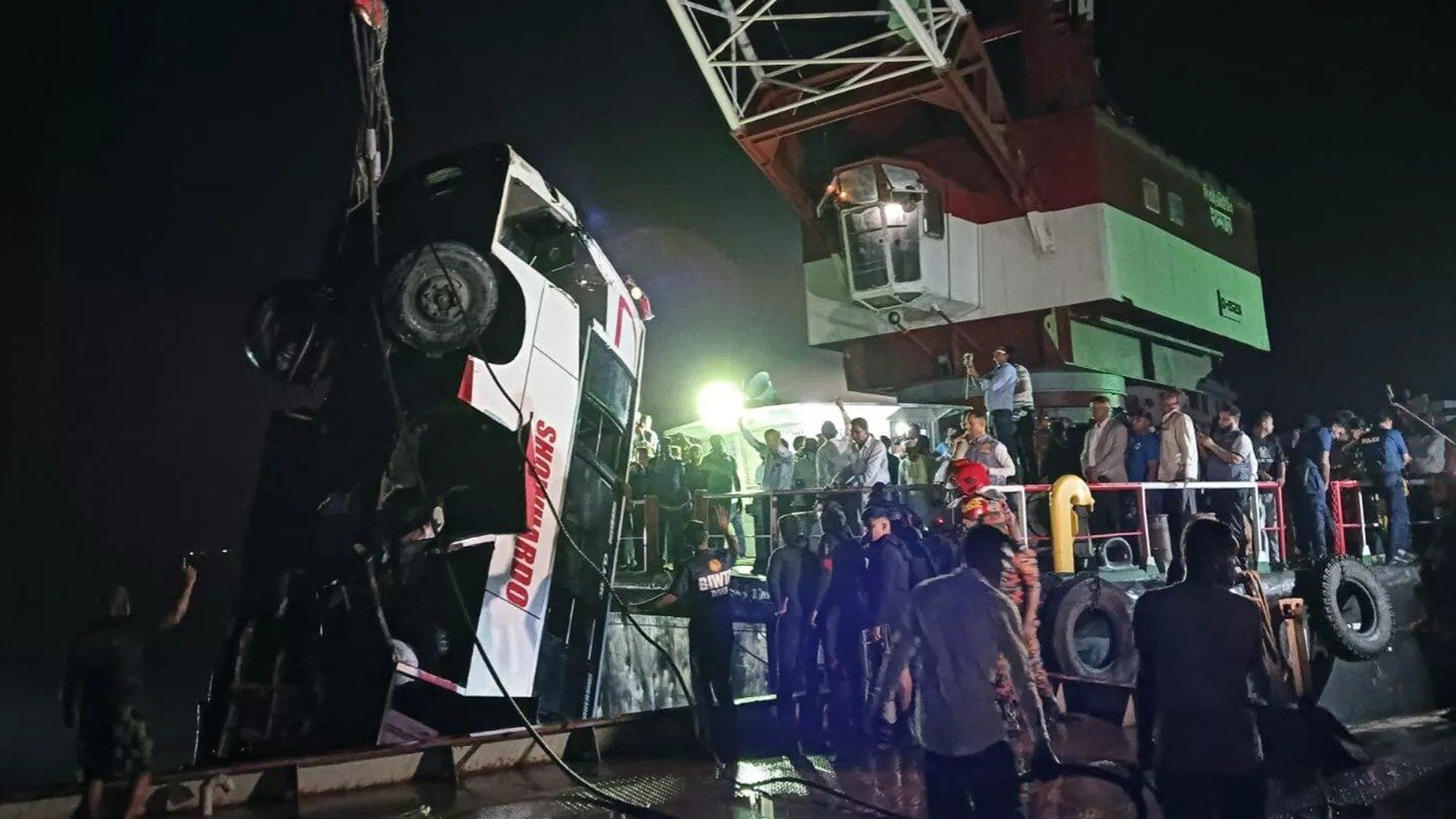
A tragic accident in Bangladesh has claimed the lives of at least 24 people after a passenger bus plunged into the Padma River on Wednesday evening. The incident occurred at the Daulatdia ferry terminal in Rajbari district, roughly 100 km from Dhaka, when the bus was trying to board a ferry.

Eyewitnesses described chaotic scenes as the bus lost control near the ferry ramp, tipped over, and sank about 30 feet into the river. Many passengers were trapped inside, while others struggled to escape into the water. Some managed to swim to safety, while rescue teams pulled others from the river.

Authorities report that 22 bodies have been recovered from the submerged bus, and two more victims died after being rescued, bringing the confirmed death toll to 24. The bus was carrying around 40 people, including men, women, and children. Rescue efforts are continuing as officials search for anyone still missing, with divers and emergency teams combing the riverbed.

The Bangladesh Fire Service and Civil Defence, along with police, army units, coast guard personnel, and local volunteers, worked through the night to recover bodies and provide aid to survivors. Hospitals nearby were flooded with injured passengers and distraught relatives, many anxiously awaiting news about loved ones.

Authorities are investigating the cause of the accident, exploring possibilities such as brake failure, driver error, or unsafe boarding conditions at the ferry terminal. River and road accidents are not uncommon in Bangladesh, where transport infrastructure and safety standards face ongoing challenges.

Also Read: IIT Delhi ranked India’s No.1, 36th globally

IIT Delhi ranked India’s No.1, 36th globally

Institute excels in five key subjects, boosting India’s global academic standing

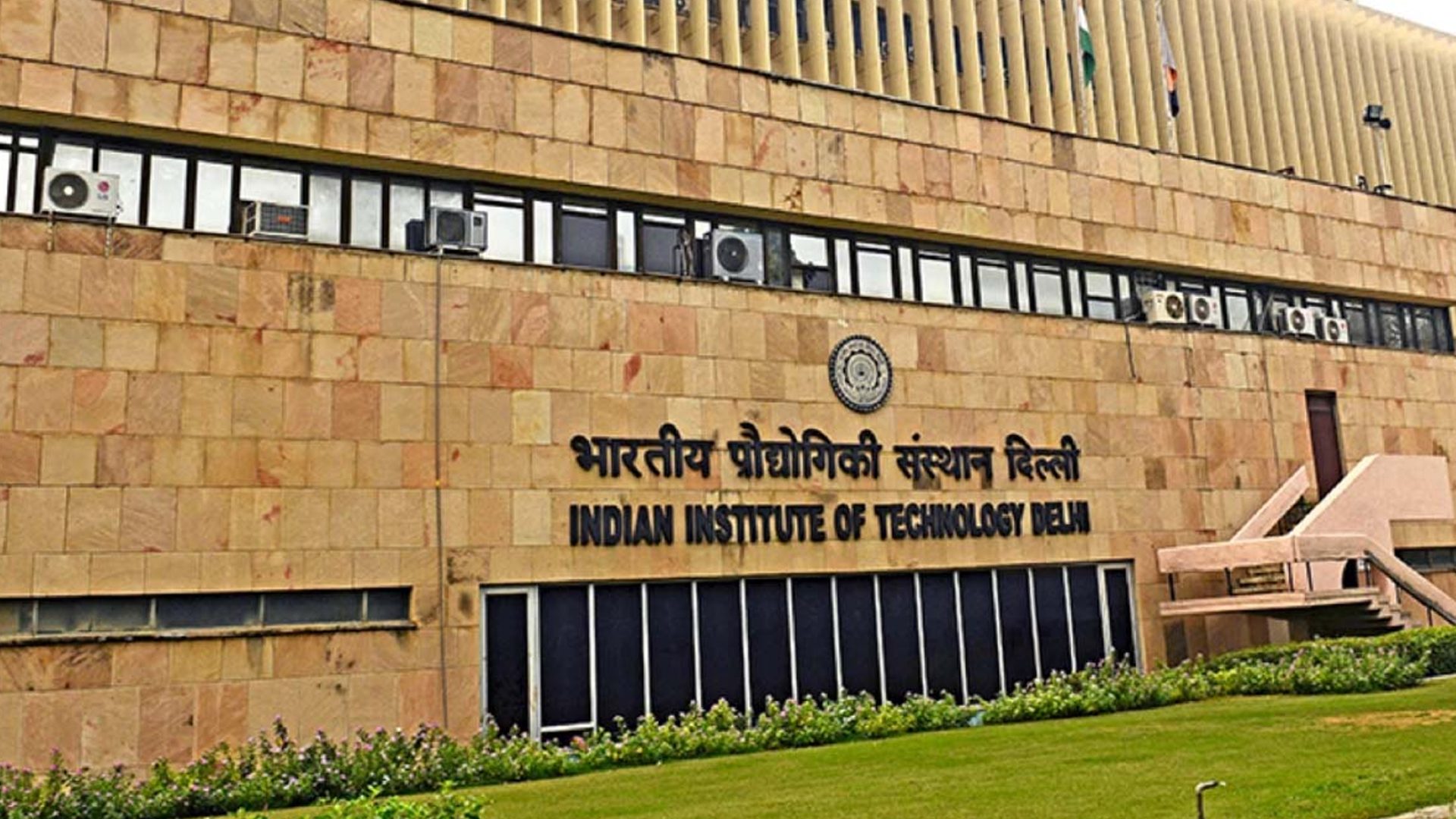
The Indian Institute of Technology Delhi has once again made India proud by emerging as the country’s top university in the QS World University Rankings by Subject 2026. Retaining its position as India’s best in engineering and technology, IIT Delhi also impressed globally, breaking into the top 50 in five key subjects.

In the overall Engineering & Technology category, the institute secured the 36th spot worldwide, making it the highest-ranked Indian university in this field. This achievement highlights the quality of teaching, research, and innovation at IIT Delhi, which has consistently produced highly skilled engineers and technologists.

Among the top 50 global subject rankings, IIT Delhi excelled in core disciplines critical for modern industry and research, reflecting its strength in areas such as electrical engineering, mechanical systems, computing, and chemical sciences. Experts say these results show not just the institute’s talent pool but also its growing reputation among employers and international academics.

The QS subject rankings are based on factors like academic reputation, research citations, faculty quality, and industry impact. IIT Delhi’s strong performance across these indicators signals a robust research culture and a focus on industry-relevant skills, which has helped it stand out internationally.

University officials called the results a recognition of years of effort in fostering high-impact research, global collaborations, and student-driven innovation. The ranking also reinforces IIT Delhi’s appeal for international students and faculty, strengthening its presence on the global academic map.

This achievement is part of a larger trend of Indian institutions climbing global rankings, showing that India’s higher education system is gaining recognition worldwide. With IIT Delhi leading the way, students and researchers can look forward to a more globally connected and competitive academic environment.

Also Read: No lockdown call by PM Modi

No lockdown call by Prime Minister Modi

He stresses preparedness amid Middle East crisis, misinformation sparks confusion

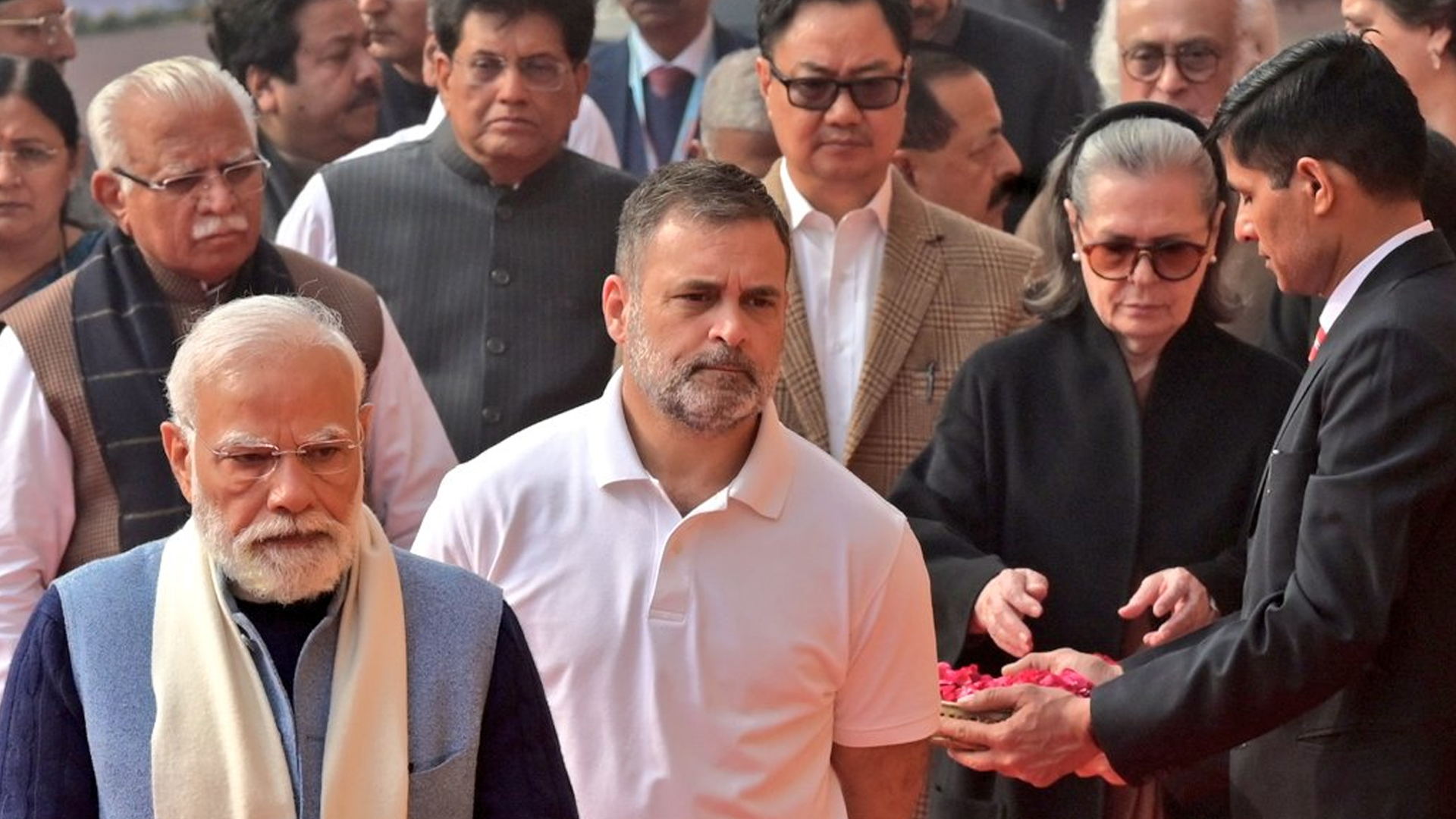
Prime Minister Narendra Modi’s recent speech in Parliament on the Middle East crisis has led to widespread confusion, with some claiming he hinted at a possible lockdown. In reality, no such announcement was made. The Prime Minister only referred to India’s experience during COVID-19 to stress the importance of staying prepared and united during uncertain times.

He highlighted that the ongoing conflict in West Asia could impact India, especially in areas like fuel supply and trade. At the same time, he reassured citizens that the government has taken steps to secure essential resources such as crude oil and cooking gas, and that there is no immediate cause for panic.

PM Modi also warned people against falling for misinformation or engaging in panic buying. He emphasized that crises often lead to unnecessary fear and hoarding, which can worsen the situation. The government, he said, is closely monitoring developments and is ready to respond if needed.

Despite these reassurances, misleading interpretations of his remarks, particularly around the word “lockdown”, have spread quickly on social media, causing concern among the public. Officials have clarified that no restrictions like those seen during the pandemic are being considered.

Also Read: Bengal voter list deletions spark confusion

Bengal voter list deletions spark confusion

Discrepancies in data and lack of clarity from Election Commission fuel anxiety ahead of Assembly polls

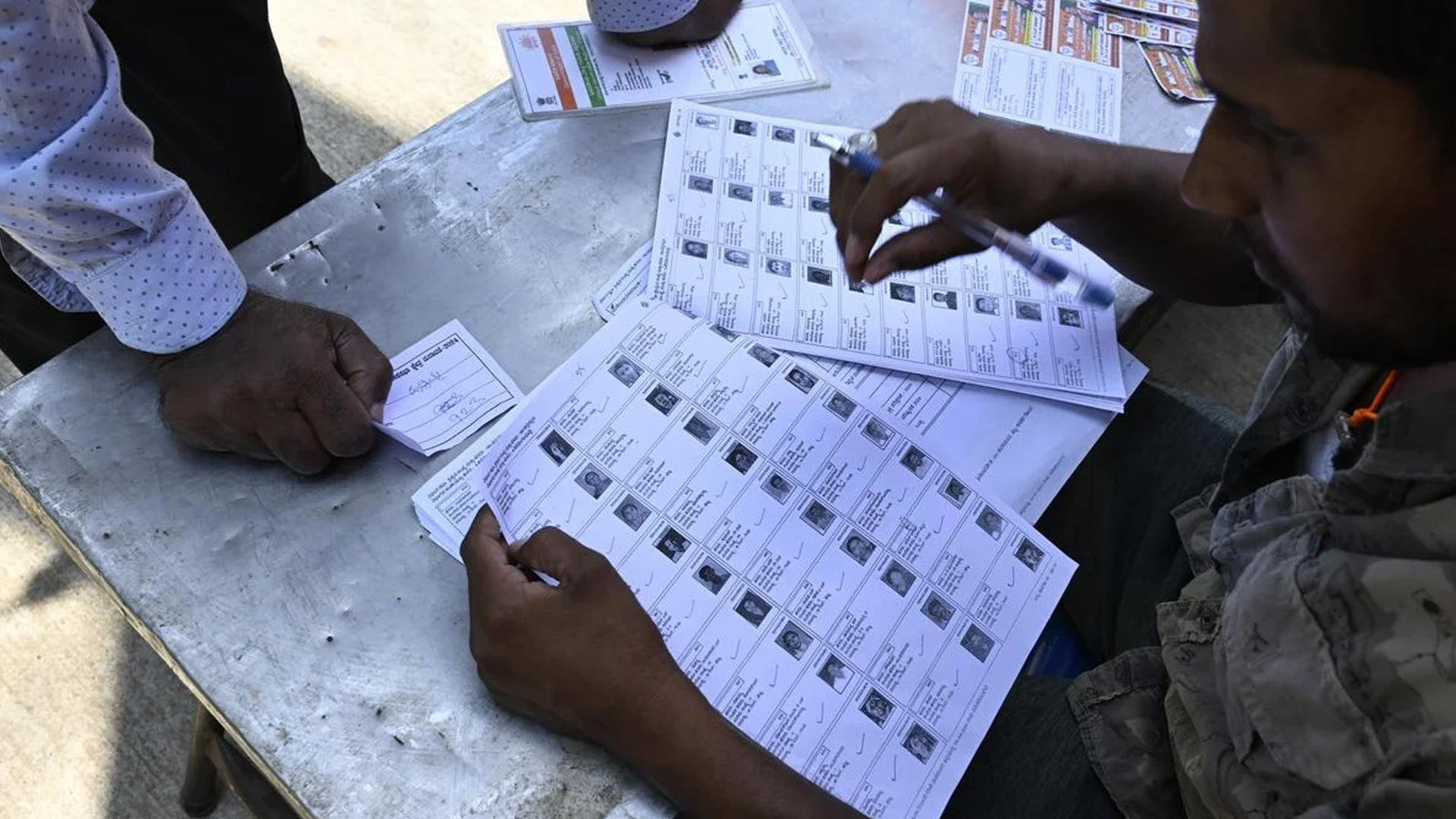
Confusion continues to surround large-scale deletions from West Bengal’s electoral rolls, with varying figures and no clear official explanation from the Election Commission (EC).

The ongoing Special Intensive Revision (SIR) exercise, ahead of the 2026 Assembly elections, initially flagged around 60 lakh names for verification. Of these, nearly 32 lakh cases have been examined so far.

Reports suggest that a significant share, estimated between 35% and 40% of these verified cases may have been removed from the voter list. However, the exact number remains uncertain. Different reports cite figures ranging from 8 lakh to 14 lakh deletions, creating widespread confusion among voters.

Adding to the uncertainty, only a portion of the processed names has appeared in the first supplementary list. Officials indicate that procedural delays, including issues like missing digital authentication by judicial officers, have slowed the publication of final lists.

The lack of consistent data and official communication has led to anxiety on the ground. In several areas, residents have reported that names of multiple family members were deleted despite attending hearings and submitting required documents.

The issue has also triggered political reactions. The ruling Trinamool Congress has raised concerns about potential disenfranchisement, while opposition parties maintain that the revision aims to remove ineligible or duplicate entries.

Also Read: S. Jaishankar rejects ‘mediator’ role

Railways fines IRCTC over tainted meal

₹10 lakh penalty after worms found in Vande Bharat food. Caterer removed after outrage

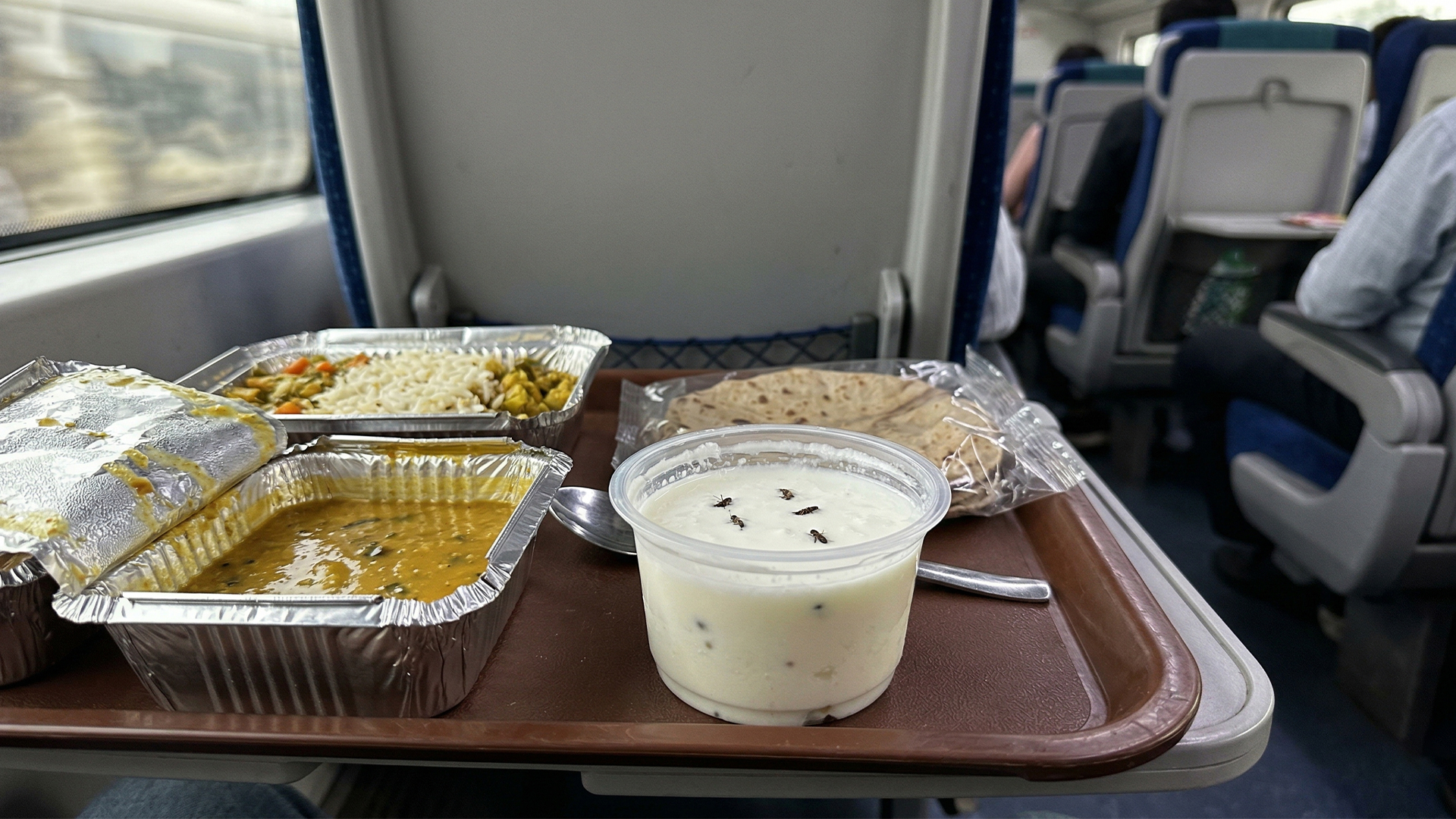
A meal served on a Vande Bharat Express turned into a disturbing experience for passengers after worms were found in the food, prompting swift action from Indian Railways.

The incident came to light when a passenger travelling on the Patna–Tatanagar Vande Bharat Express discovered insects in a cup of curd served onboard. Shocked, the passenger recorded a video, which soon went viral on social media, triggering widespread outrage over food safety on one of India’s premium trains.

In the video, the passenger can be seen confronting train staff, questioning how such food could be served. What made matters worse was the initial response from onboard staff, who reportedly dismissed the complaint, suggesting the insects were “kesar” (saffron). This response further angered passengers and drew criticism online.

Taking the issue seriously, Indian Railways launched an inquiry and acted quickly. The Indian Railway Catering and Tourism Corporation (IRCTC), responsible for onboard catering, was fined ₹10 lakh. In addition, the private caterer involved in supplying the food was fined ₹50 lakh and had its contract terminated.

Railway officials said such lapses are unacceptable, especially on premium trains like Vande Bharat, where passengers expect high standards of hygiene and service. They stressed that passenger safety remains a top priority and that strict action would be taken against any negligence.

For many travellers, the incident has raised concerns about the quality of food served on trains, despite paying higher fares. Passengers have called for better monitoring and stricter hygiene checks to prevent similar situations in the future.

Also Read: S. Jaishankar rejects ‘mediator’ role