rotating globe
3 Apr 2026


S. Jaishankar rejects ‘mediator’ role

India defends stand as Opposition questions West Asia stance

India has ruled out playing a mediator’s role in the ongoing West Asia crisis, with External Affairs Minister S. Jaishankar asserting that the country “cannot be a broker nation.”

The statement came during an all-party meeting convened to brief political leaders on the evolving situation in West Asia. The discussion was held amid reports that Pakistan has offered to act as a mediator between the United States and Iran.

Addressing concerns raised by Opposition parties, Jaishankar clarified that India’s foreign policy is guided by its own national interests and does not involve acting as an intermediary in international conflicts. He emphasised that India maintains an independent stance while staying engaged with key global players.

Opposition leaders questioned whether India was being sidelined diplomatically, especially as Pakistan attempts to position itself as a communication channel in the crisis. They sought clarity on India’s role and whether it is actively participating in efforts to de-escalate tensions.

In response, the government maintained that Pakistan’s involvement as a conduit between countries is not new and does not affect India’s position. Officials reiterated that India continues to engage with multiple countries through bilateral ties rather than through mediation.

The meeting also highlighted the broader impact of the West Asia conflict on global stability, including concerns over energy security and economic uncertainty. India stressed the importance of dialogue and a peaceful resolution, while avoiding direct involvement as a negotiator.
Also Read: Donald Trump says Iran “afraid” to admit deal

13 die in Andhra bus fire after crash

Collision with lorry triggers blaze. Several injured in Prakasam district

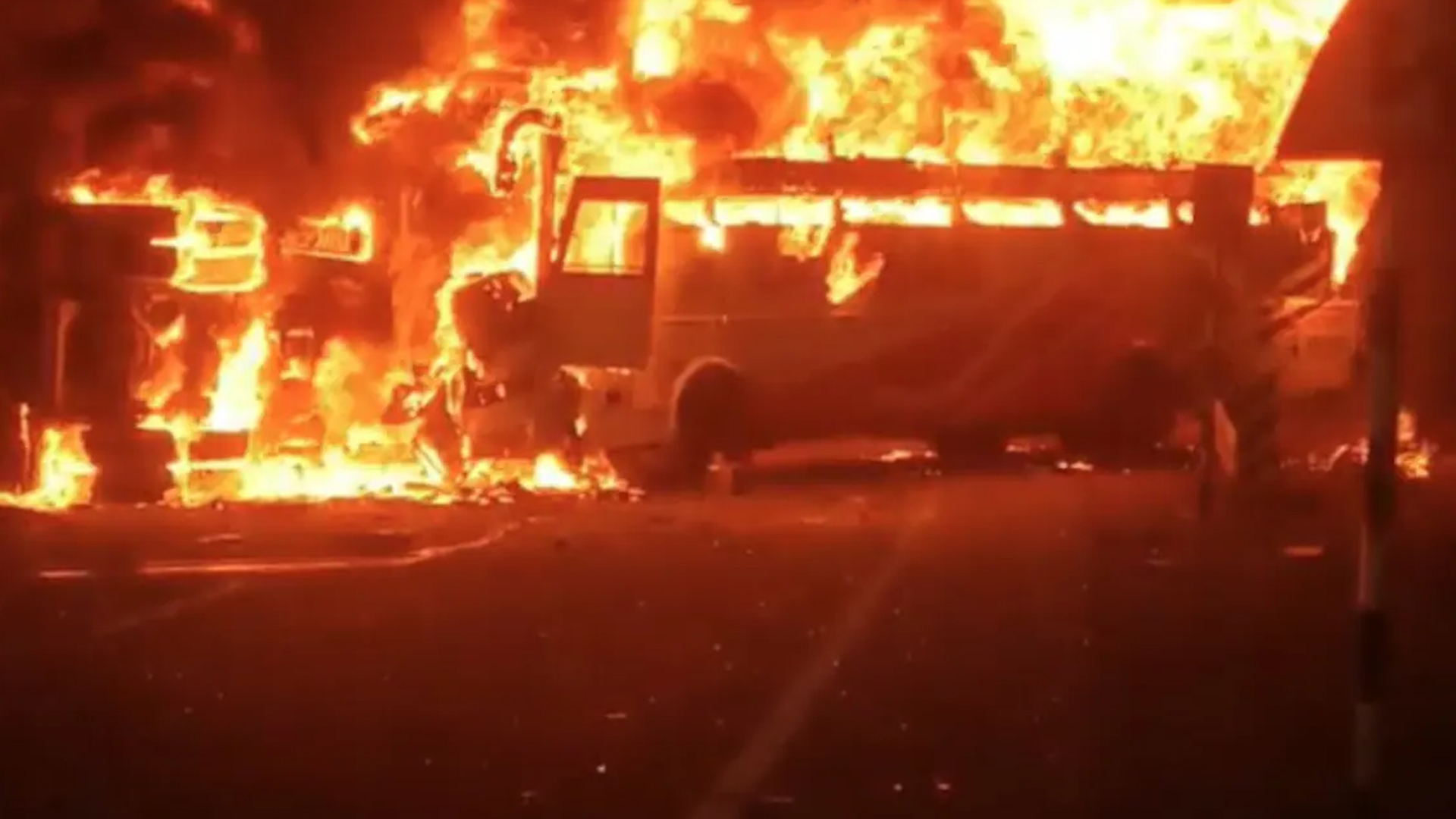
A tragic road accident in Andhra Pradesh’s Prakasam district claimed at least 13 lives after a private bus collided with a lorry and burst into flames, leaving behind scenes of devastation and panic.

The accident took place near Rayavaram in the early hours, when the bus, carrying several passengers, crashed into a tipper lorry on the highway. Within moments of the impact, the vehicle caught fire—reportedly due to a fuel leak—turning the bus into a raging inferno.

Passengers had little time to react. As flames spread rapidly, many were trapped inside, unable to escape. Some victims are believed to have died on the spot, engulfed by the fire. Survivors later recounted the terrifying moments, describing how the bus filled with smoke and panic as people struggled to find a way out.

A few passengers managed to break windows and jump to safety, suffering injuries in the process. Around 20 to 28 people were hurt, with several in critical condition. They were rushed to nearby hospitals, where doctors are continuing treatment.

Emergency services and local residents quickly reached the scene, trying to douse the flames and rescue those trapped. However, the intensity of the fire made rescue efforts extremely difficult. By the time the blaze was brought under control, the bus had been almost completely gutted.

Authorities said the bus was travelling from Telangana towards Andhra Pradesh. While the exact cause of the crash is still under investigation, initial reports suggest that the force of the collision triggered the fire, possibly after the lorry’s fuel tank was hit.

Also Read: Hormuz stays safe and open for India

Donald Trump says Iran “afraid” to admit deal

Conflicting claims emerge as tensions rise over possible US-Iran talks

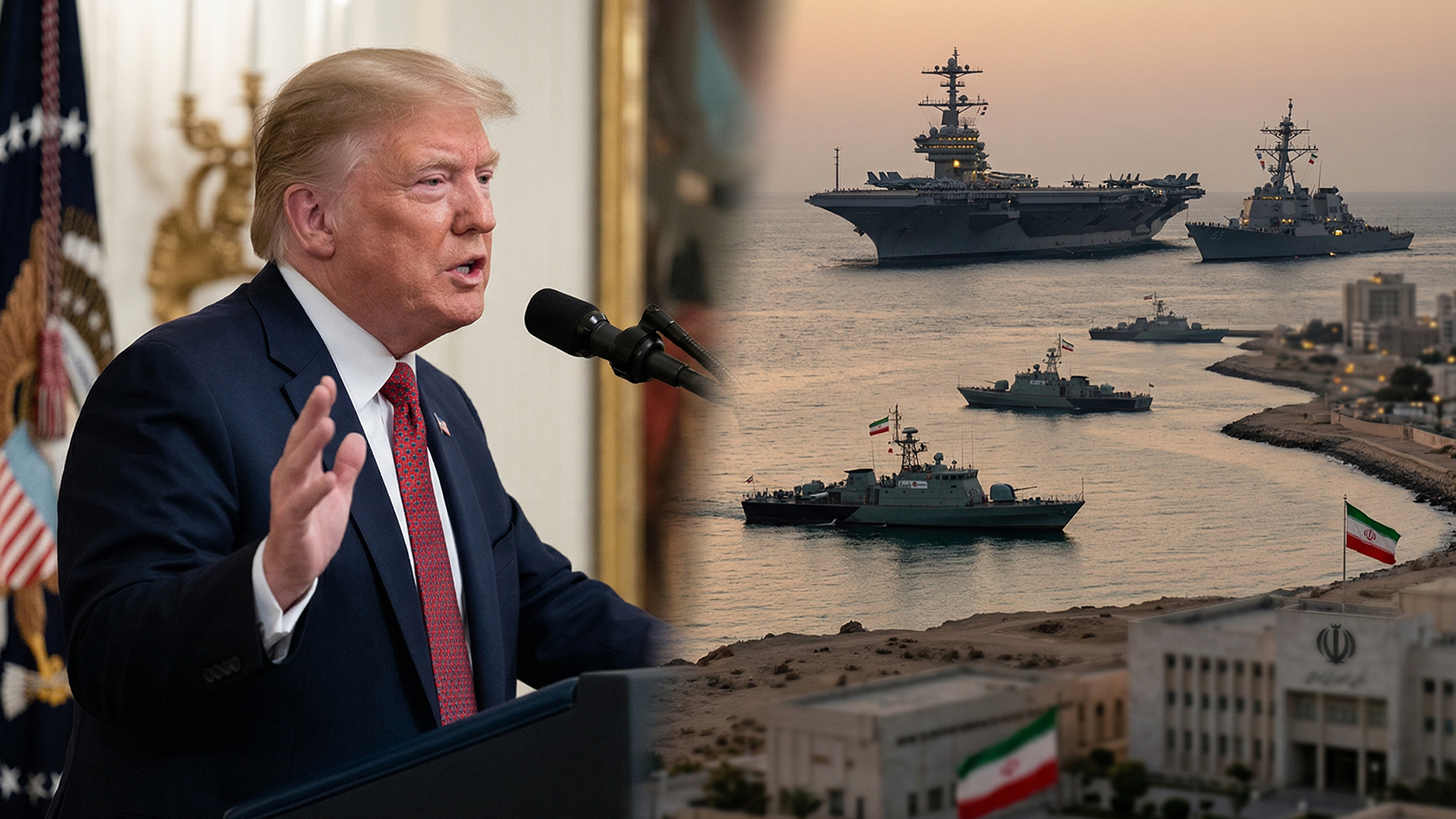
Donald Trump has claimed that Iran is interested in making a deal with the United States but is unwilling to say so publicly, adding a new layer to already tense relations between the two countries.

Speaking amid ongoing geopolitical tensions, Trump said Iranian leaders “want to make a deal” but are “afraid to admit it.” According to him, officials in Tehran fear backlash, either from within their own country or from external forces, if they openly express willingness to negotiate.

The remarks come at a time when speculation about possible backchannel talks between Washington and Tehran has been growing. While some US voices suggest that communication channels remain open, Iranian authorities have firmly denied that any negotiations are currently taking place.

This sharp difference in positions highlights the deep mistrust between the two sides. The United States has long pushed for a broader agreement that would address concerns over Iran’s nuclear programme and its role in the region. Iran, on the other hand, has maintained that it will not enter talks under pressure and insists that any agreement must respect its sovereignty and conditions.

Tensions have remained high in recent weeks, with both sides issuing strong statements. The situation has also raised concerns globally, especially as instability in the region has the potential to affect oil supplies and financial markets.

Also Read: Hormuz stays safe and open for India

Hormuz stays safe and open for India

Energy supplies remain secure despite tensions as India named among “friendly nations”

India has received a major boost to its energy security after Iran confirmed that the Strait of Hormuz will remain open for Indian ships amid rising tensions in the Middle East.

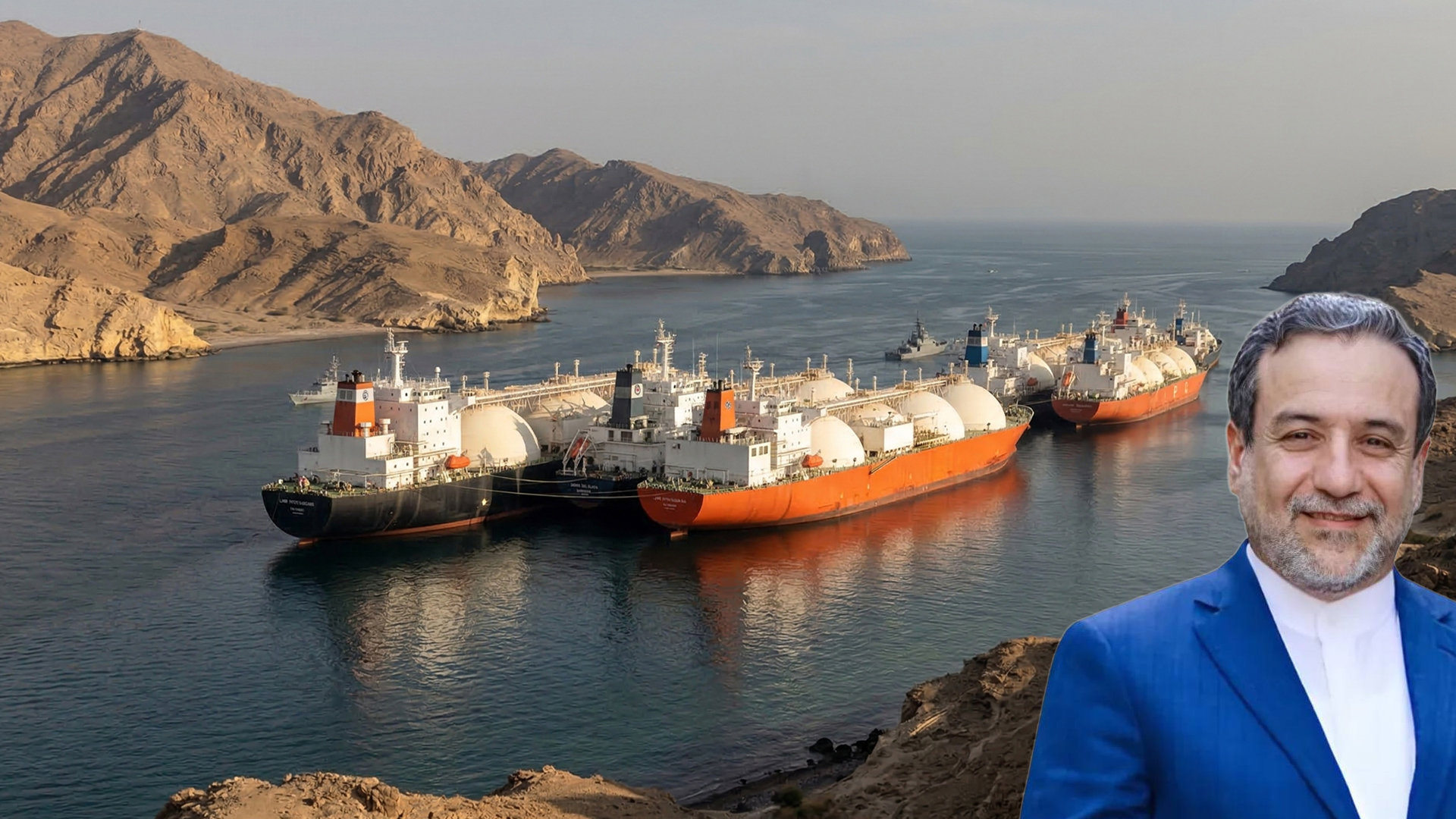
Iran’s Foreign Minister Abbas Araghchi announced that India is among five countries considered “friendly,” along with China, Russia, Iraq and Pakistan. Vessels from these nations will be allowed safe and uninterrupted passage through the key oil transit route.

The Strait of Hormuz is crucial for global energy trade, with about one-fifth of the world’s oil passing through it. Any disruption in this region can lead to sharp increases in oil prices and affect fuel availability worldwide.

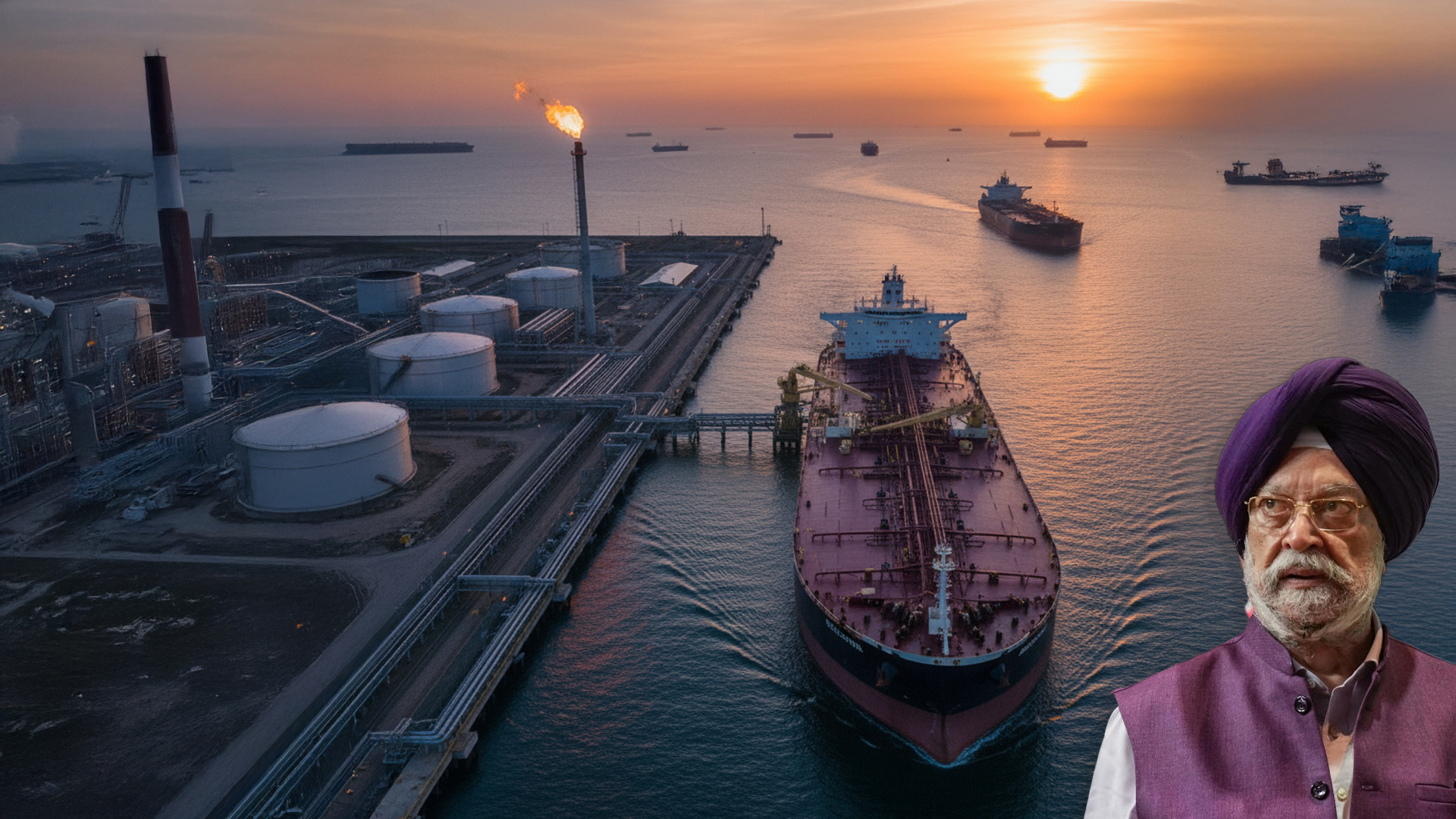
For India, which depends heavily on imported crude oil, this decision comes as a significant relief. Continued access to the Strait ensures that oil and gas shipments can reach the country without major delays or disruptions.

Early signs indicate that the arrangement is working smoothly. Indian LPG carriers have already crossed the Strait safely, and shipping operations remain stable. This has helped ease concerns about potential supply shortages.

The development comes during a period of heightened geopolitical tension, where restrictions on the Strait had raised fears of a global energy crisis. By allowing select countries access, Iran appears to be balancing its strategic interests while avoiding a complete shutdown of trade routes.

Also Read: Centre directs households to switch to piped gas

Centre directs households to switch to piped gas

There is a chance that LPG supply may be affected after 3 months

The Ministry of Petroleum and Natural Gas has directed households in areas where piped natural gas (PNG) is available to transition from LPG cylinders to PNG within three months, warning that LPG supply may be cut off if connections are not obtained.

The Centre’s decision is aimed at making energy use more efficient and ensuring LPG reaches areas that still lack pipeline access. PNG delivers gas directly to kitchens, removing the hassle of cylinder refills and offering a safer, more convenient option for cooking.

Exceptions will be made if a household cannot technically receive a pipeline connection, with authorised agencies issuing a no-objection certificate (NOC) to continue LPG supply. Meanwhile, the government is fast-tracking pipeline approvals, easing land access, and expanding infrastructure to make the transition smoother.

Officials have reassured citizens that there is no nationwide shortage of LPG, petrol, or diesel, but the policy reflects a broader effort to strengthen India’s energy security amid global uncertainties, especially supply disruptions linked to Middle East tensions.

Households in pipeline-enabled areas are advised to apply for PNG connections promptly or provide proof of exemption to avoid disruptions.

Also Read: Pakistan offers to host US–Iran talks

Claude AI controls computers independently

Anthropic's new feature lets AI open apps, browse, and complete work like a human user

Anthropic has rolled out a new capability for its AI assistant Claude that allows it to operate a computer and complete tasks independently. The update signals a shift in how AI tools are evolving—from simple chat-based assistants to more active digital agents.

With this feature, Claude can carry out everyday computer actions such as opening applications, navigating websites, entering information, and managing files. Instead of just guiding users with instructions, the AI can now take direct action to get things done.

The system works by interacting with the computer interface in the same way a person would. It uses simulated mouse clicks and keyboard inputs to move through apps and websites. Because of this, Claude does not need special integrations with each tool, it can work across different software environments more naturally.

At present, the feature is being released in a limited preview and is mainly designed for Mac users. To address safety concerns, users must grant permission before Claude can access their system or perform any task.

This development is part of a broader move toward “agentic AI,” where systems are designed to act with a higher level of independence. For example, users can assign a task and let the AI complete it step by step without constant monitoring. This could save time and reduce the need for manual work on computers.

Also Read: Centre rules out fuel shortage

PM assures preparedness amid West Asia crisis

Government calls all-party meet, reviews defence and economic safeguards

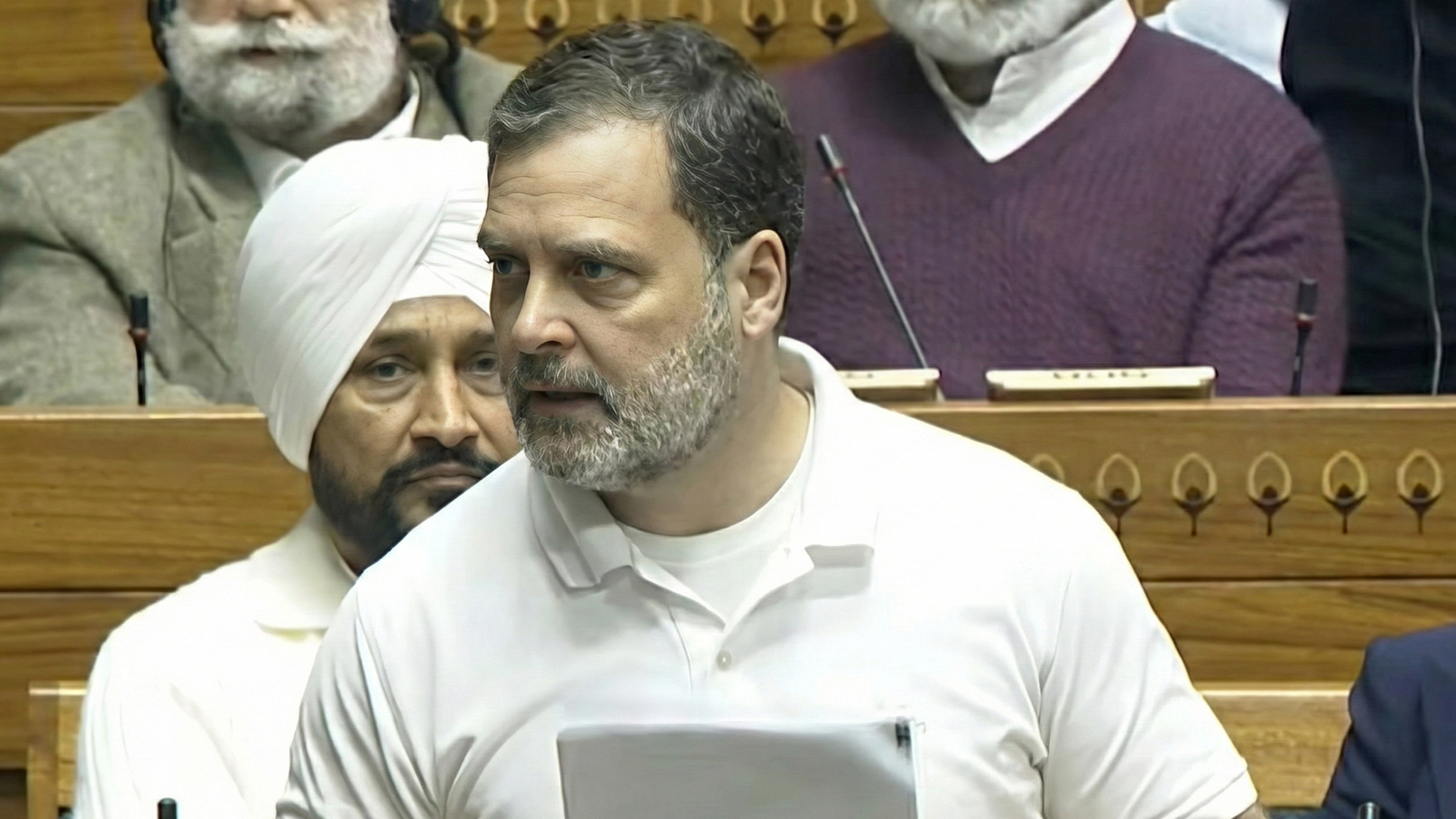
India has stepped up its response to the escalating West Asia crisis, with Prime Minister Narendra Modi warning of prolonged economic and strategic disruptions and the Centre moving to strengthen preparedness.

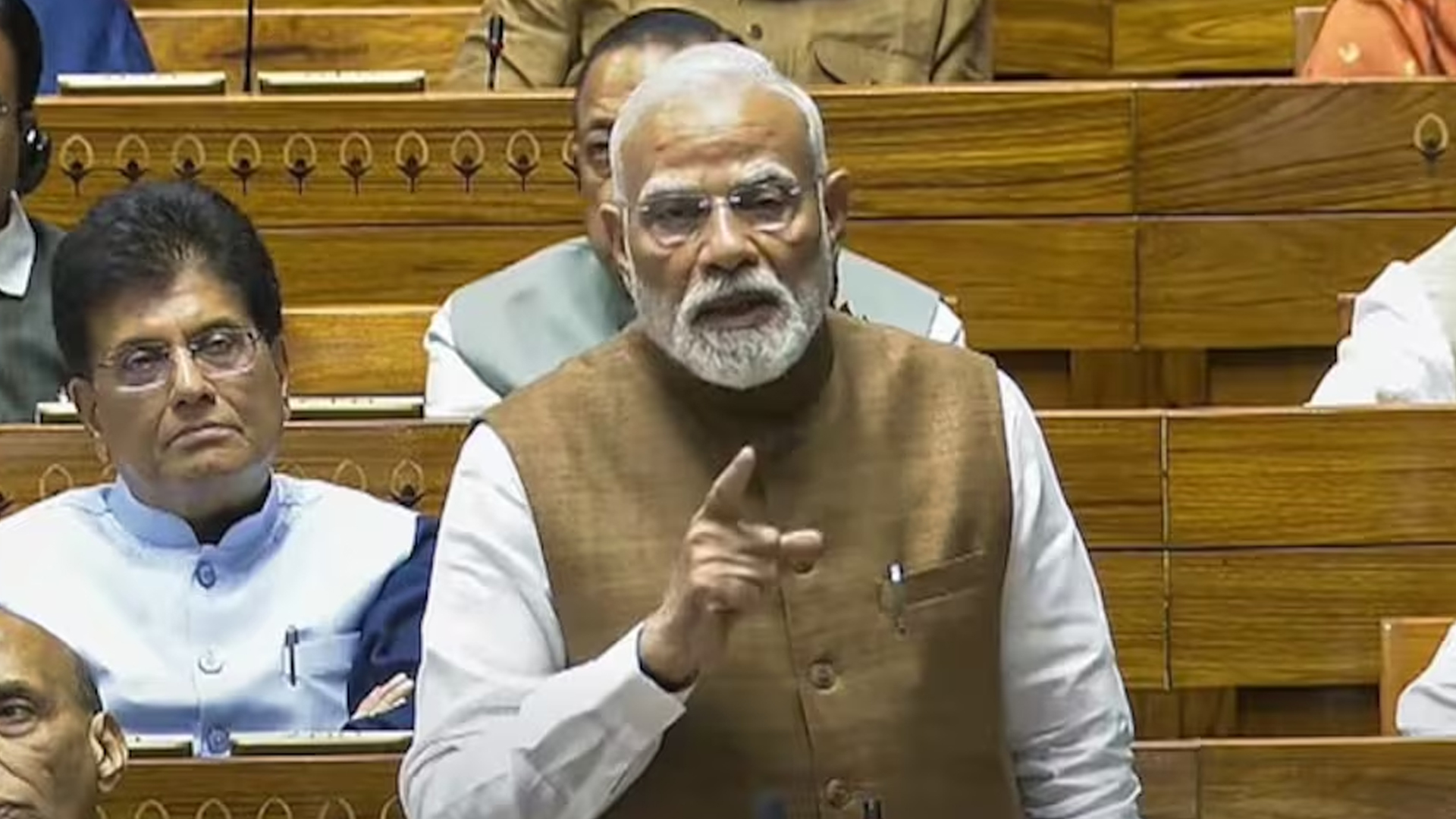
Speaking in the Rajya Sabha, Modi cautioned that the conflict could have lasting global consequences, particularly affecting energy supplies and key trade routes. He said disruptions in oil, gas and fertiliser supply chains may impact India’s economy, calling for coordinated efforts between the Centre and states to manage the situation effectively.

The Prime Minister noted that India is diversifying its energy sources and maintaining adequate reserves to ensure stability. However, he acknowledged that the evolving geopolitical tensions pose serious challenges and could test the country’s resilience in the coming months.

In a bid to build political consensus, the government has convened an all-party meeting to brief leaders on the situation and discuss possible responses. The meeting is expected to focus on managing risks such as rising fuel prices and supply chain disruptions.

Meanwhile, Defence Minister Rajnath Singh has reviewed the security implications of the crisis with senior officials. He stressed the need to draw lessons from the ongoing conflict to strengthen India’s defence preparedness and strategic planning.

Singh also warned that a prolonged conflict could trigger wider global instability, especially impacting energy and fertiliser supplies—both critical for India’s economy and agriculture sector.

The government has initiated multiple measures to assess and mitigate the impact of the crisis across key sectors, including energy, trade and essential commodities. These steps reflect a proactive approach to safeguard national interests amid growing uncertainty.

Also Read: Rupee weakens 20 paise to 93.76

Rupee weakens 20 paise to 93.76

Global cues, oil prices and capital flows combine to weaken the currency

The Indian rupee is edging closer to the 94-per-dollar mark, slipping nearly 20 paise in early trade on Wednesday to around 93.95. This continues a sharp downward trend seen in recent sessions, with the currency already at record low levels.

The main driver behind this fall is the strong US dollar. In times of global uncertainty, investors tend to move money into safer assets like the dollar, reducing demand for emerging market currencies such as the rupee.

Another key factor is the rise in crude oil prices. Since India imports most of its oil, higher prices increase the need for dollars to pay for imports. This puts additional pressure on the rupee and worsens the country’s trade balance.

At the same time, global risks such as geopolitical tensions and unstable financial markets are affecting investor confidence. Foreign investors are pulling money out of emerging markets, including India, which further weakens the currency.

While the Reserve Bank of India may intervene to limit sharp fluctuations, experts note that such measures can only provide temporary support. The broader direction of the rupee largely depends on global trends.

Also Read: US eyes Iran’s Ghalibaf as possible negotiation partner

Critics’ Choice Awards 2026 celebrate top talent

Big wins across films and OTT highlight India’s storytelling talent

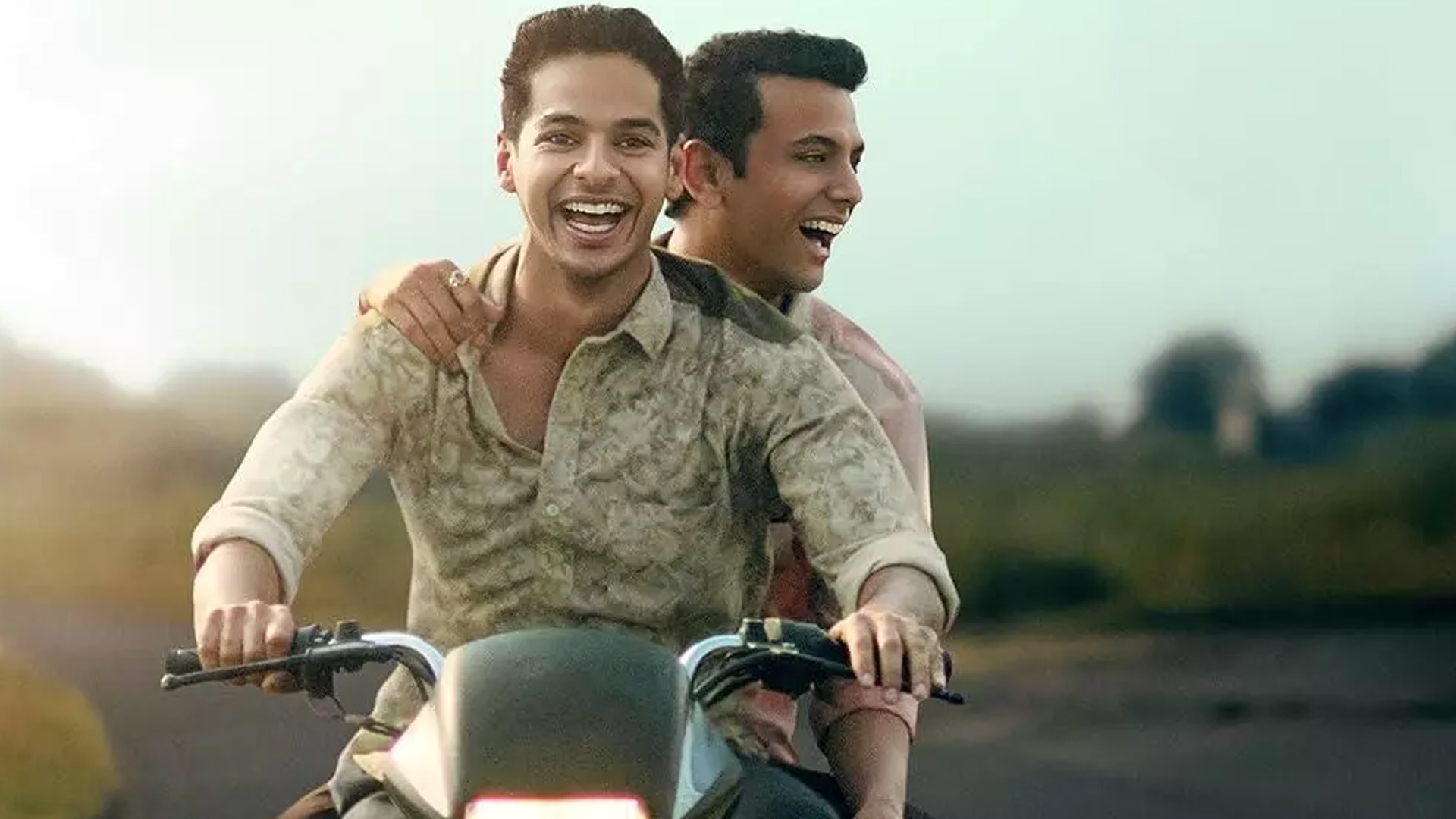
The Critics’ Choice Awards 2026 brought together some of the finest talents in Indian cinema and web series, with Homebound and Black Warrant emerging as the biggest highlights of the night.

‘Homebound’, directed by Neeraj Ghaywan, turned out to be the top winner among films. It picked up four major awards, including Best Film and Best Director. Vishal Jethwa won Best Actor for his performance, while Shalini Vatsa took home Best Supporting Actress.

On the OTT side, ‘Black Warrant’ made a strong impact by winning multiple awards, including Best Web Series. The show was praised for its storytelling and performances, with Rahul Bhat winning Best Supporting Actor.

Several other performances also stood out this year. Priyanka Bose won Best Actress for Agra, while Pasupathy was awarded Best Supporting Actor for Bison Kaalamaadan.

In the web series categories, Jaideep Ahlawat received Best Actor for Paatal Lok Season 2, and Monika Panwar won Best Actress for Khauf. Tillotama Shome was recognised as Best Supporting Actress for her role in Paatal Lok Season 2.

Organised by the Film Critics Guild along with WPP Motion Entertainment, the awards celebrate excellence in films, web series, documentaries, and short films. The winners are chosen by critics, focusing on strong storytelling and meaningful performances.

Also Read: After 13 years in coma, Harish Rana dies