rotating globe
2 Apr 2026


India almost struck Pakistan in Operation Sindoor

Navy Chief reveals forces were moments from action before Islamabad requested a halt

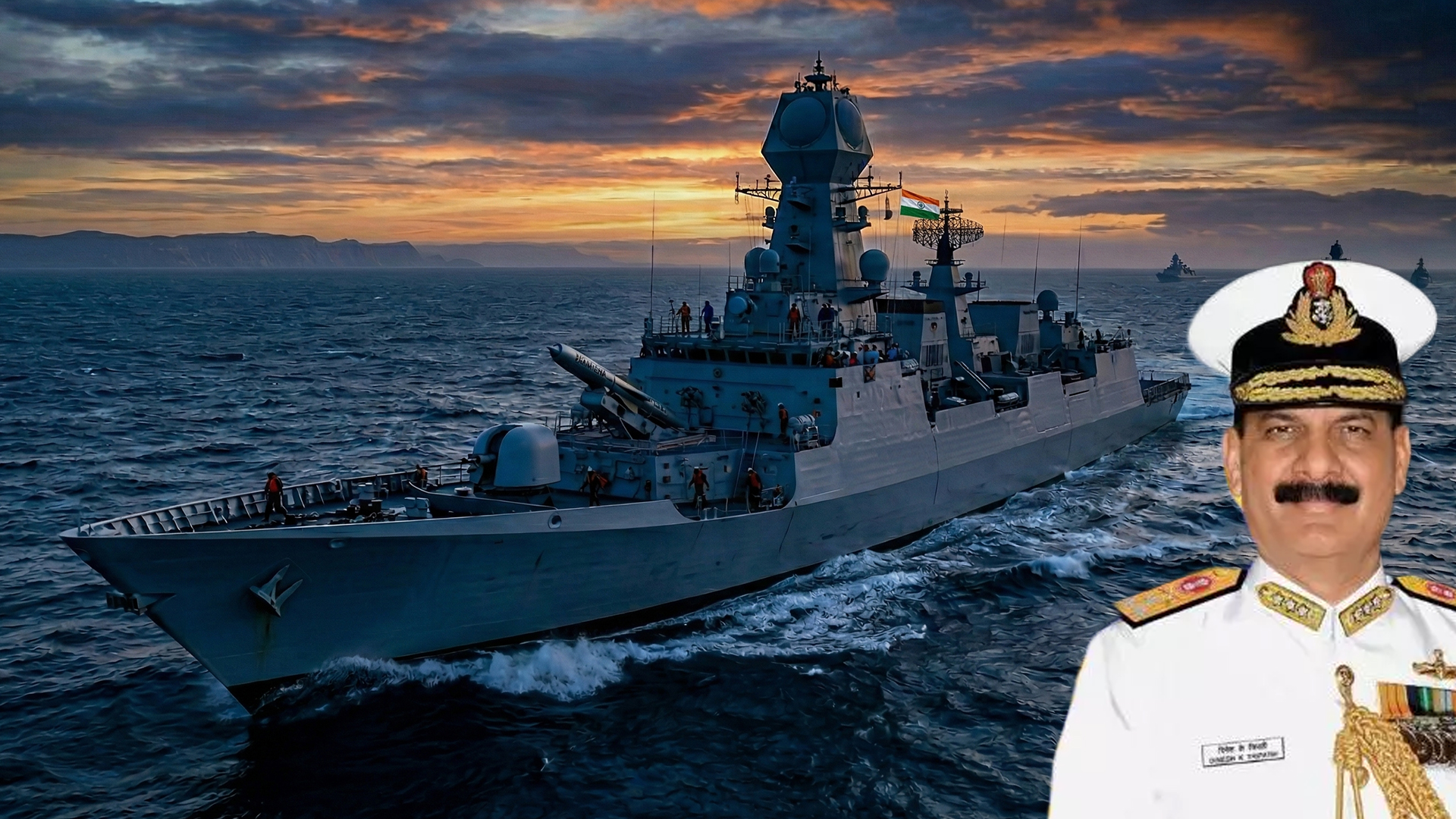
India’s naval forces came just minutes away from launching a sea strike on Pakistan during Operation Sindoor, Navy Chief Admiral Dinesh K Tripathi revealed on April 1, 2026. The disclosure came during a naval ceremony in Mumbai, where officers were awarded for their roles in the operation.

Operation Sindoor was launched in May 2025 after a deadly terror attack in Pahalgam, Jammu & Kashmir, which killed 26 people. Indian forces carried out coordinated strikes on terrorist bases in Pakistan and Pakistan‑occupied territories.

Admiral Tripathi said the Navy deployed warships in the Arabian Sea and was ready to strike Pakistan. The planned sea attack was halted after Pakistan requested a stop to military actions, preventing further escalation.

“It is not a hidden fact anymore that we were just minutes away from striking Pakistan from the sea,” Tripathi said, highlighting how narrowly a major confrontation was avoided.

He described Operation Sindoor as a demonstration of India’s maritime readiness and resolve, with swift deployment reinforcing national confidence in the Navy’s capabilities.

The Navy Chief also noted ongoing global maritime instability, including threats to shipping in the West Asia region and disruptions near the Strait of Hormuz, emphasizing the importance of naval vigilance.

Also Read: NASA’s Artemis II launches to the Moon
Iran President urges Americans to end confrontation

In a rare open letter, Masoud Pezeshkian calls military conflict “futile” and encourages dialogue

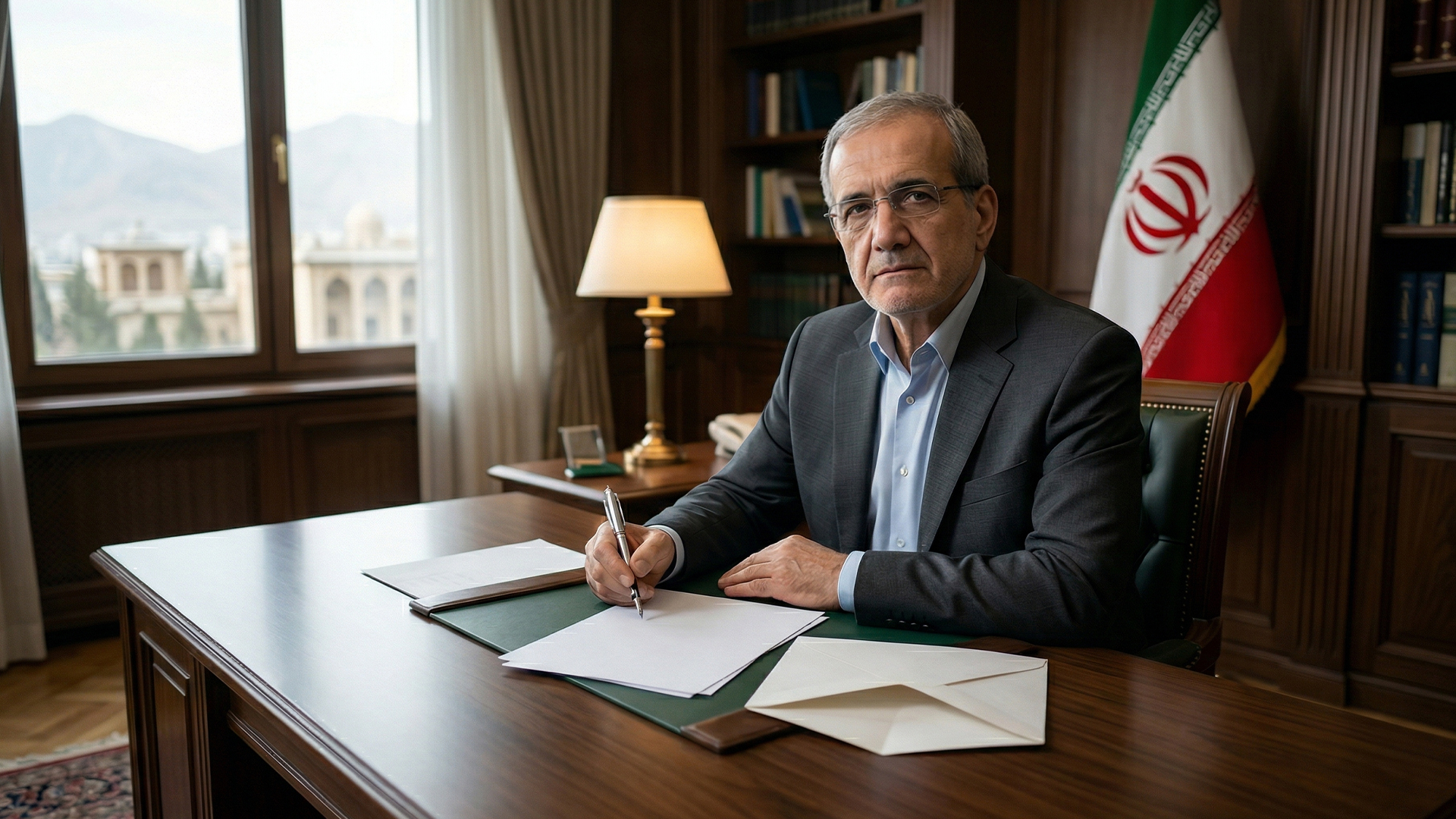
Iran’s president, Masoud Pezeshkian, has addressed a rare open letter to the American people, urging an end to confrontation and questioning the ongoing conflict between the two countries. The appeal comes amid escalating tensions and worsening diplomatic relations.

In the letter, Pezeshkian emphasized that Iran holds no hostility toward ordinary Americans, and distinguished between government policies and the people they represent. He criticized narratives that portray Iran as a threat, calling them misleading and historically inaccurate.

He described continued military action as “costly and futile”, asking Americans to consider whether the war truly serves their interests or reflects broader geopolitical motives. The president also accused the US of acting as a “proxy for Israel”, suggesting Washington’s involvement may be driven by external interests rather than its own national priorities.

The letter comes amid a broader Middle East conflict that has disrupted global energy markets and caused significant human and economic costs. While Pezeshkian did not outline concrete peace steps, his public appeal highlights a preference for diplomacy over prolonged warfare, signaling a possible path toward dialogue in a tense region.

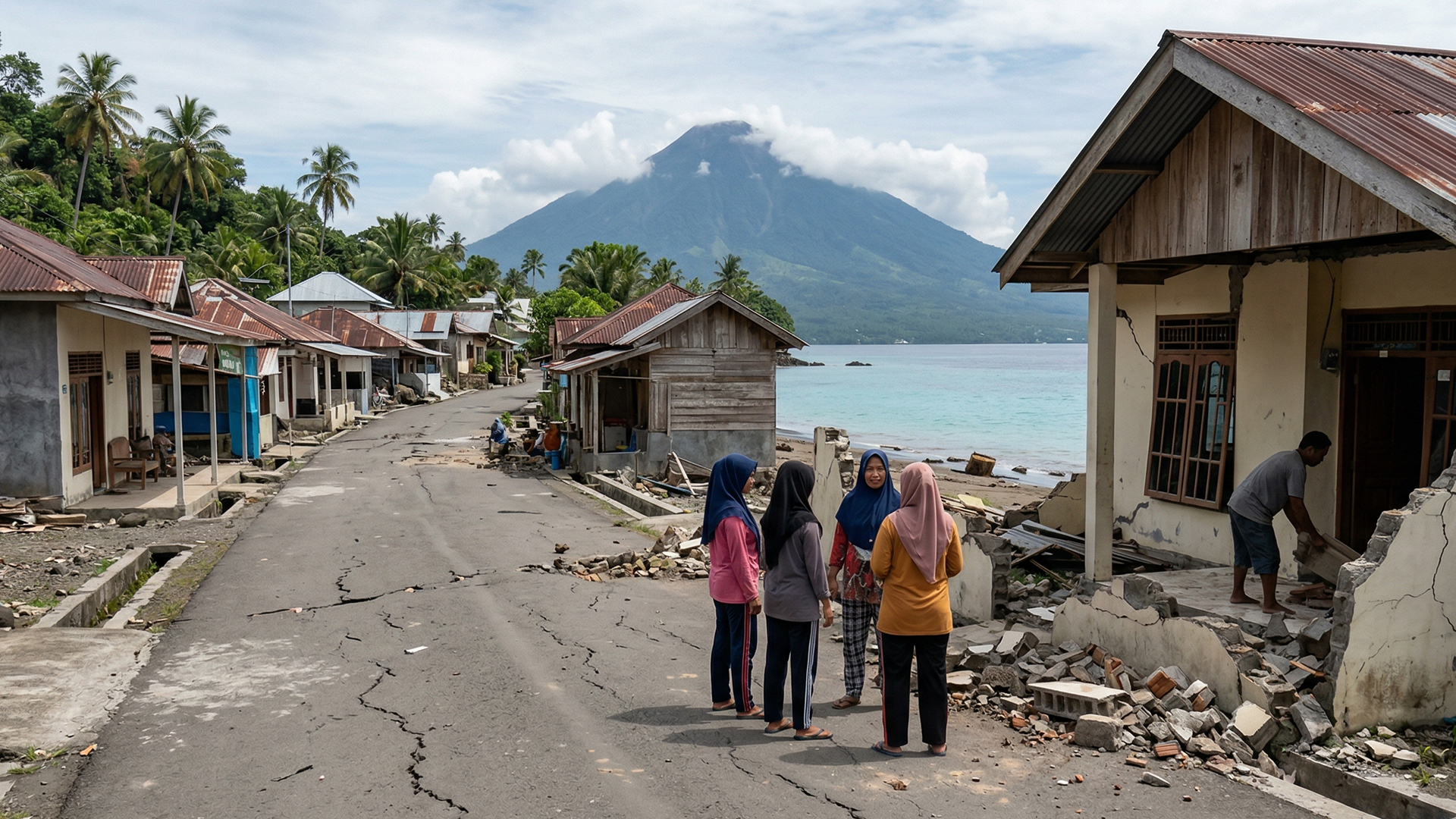
Also Read: 7.4‑magnitude quake hits Indonesia, 1 dead

NASA’s Artemis II launches to the Moon
First crewed lunar mission in over 50 years rekindles humanity’s space dreams

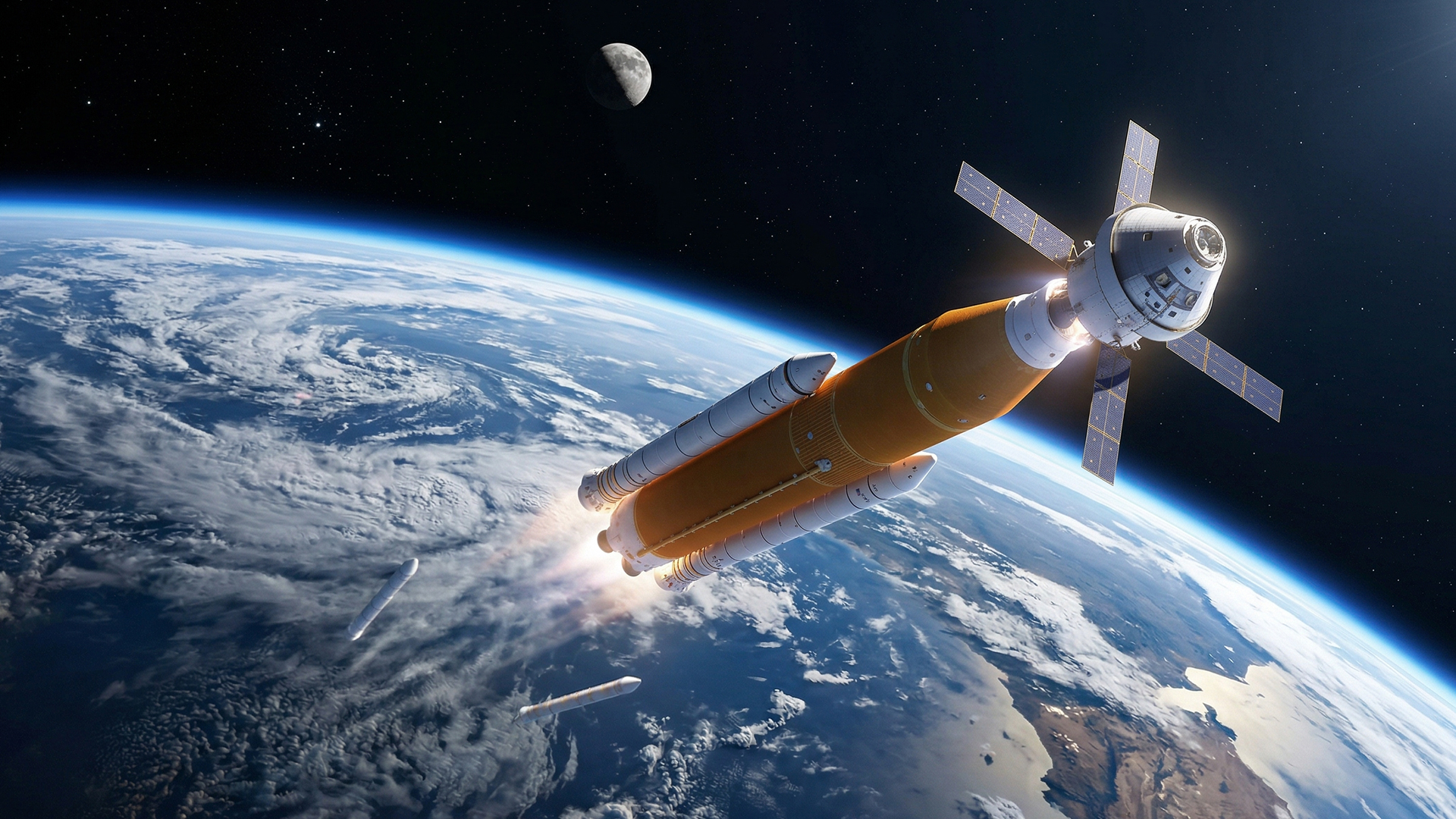
NASA has launched its Artemis II mission, sending four astronauts on a historic voyage around the Moon and back — the first humans beyond Earth orbit since the Apollo program in 1972.

The Space Launch System (SLS) rocket, the most powerful ever built by NASA, lifted off from the Kennedy Space Center in Florida at 6:35 p.m. EDT on April 1, 2026. Spectators along the Space Coast cheered as the towering rocket blazed through the sky, marking a moment of triumph for human space exploration.

Aboard the Orion spacecraft are Commander Reid Wiseman, Pilot Victor Glover, Mission Specialist Christina Koch, and Canadian astronaut Jeremy Hansen. The crew represents several historic firsts: Koch is the first woman to travel to lunar orbit, Glover is the first Black astronaut in deep space, and Hansen is the first non-U.S. astronaut to reach this far from Earth.

Orion successfully reached Earth orbit, deployed its solar panels, and began a series of system checks. The spacecraft will soon fire its engines to begin a trans-lunar trajectory, carrying the astronauts around the far side of the Moon. Unlike Apollo missions, Artemis II will not land on the lunar surface. Instead, it will focus on testing spacecraft systems and life-support equipment in deep space. The mission is expected to last about 10 days, ending with a splashdown in the Pacific Ocean.

The goal of Artemis II is to validate Orion’s performance with humans on board, paving the way for future missions, including Artemis III, which aims to land astronauts on the Moon again. NASA officials say the mission marks a major milestone in human spaceflight, inspiring a new era of exploration and bringing humanity closer to sustained lunar presence  and eventually, journeys to Mars.

Also Read: Iran fires largest missile barrage at Israel

RBI action lifts rupee to 93.53 level

New currency rules trigger unwinding of dollar bets, lifting rupee sharply

The Indian rupee strengthened significantly on April 2, opening 1.3% higher at 93.53 against the US dollar, following decisive action by the Reserve Bank of India (RBI) to curb speculative trading in the foreign exchange market.

The RBI introduced new directives restricting banks from offering rupee non-deliverable forwards (NDFs) to clients and barred companies from rebooking cancelled forex derivative contracts. These measures are aimed at reducing volatility and limiting arbitrage opportunities that had weakened the currency in recent weeks.

As a result, traders were forced to unwind large dollar positions, increasing dollar supply in the domestic market and boosting the rupee. Market participants noted that the move led to a sharp reversal in sentiment, with the currency recording one of its strongest single-day gains in years.

The rupee had been under pressure recently, even breaching the 95-per-dollar mark, due to factors such as high crude oil prices, foreign capital outflows, and global geopolitical tensions.

It is believed the RBI’s shift toward regulatory intervention, rather than heavy use of forex reserves, has helped stabilise the currency in the short term. However, they caution that sustained gains will depend on broader economic factors, including capital inflows and global market conditions.

Also Read: Duty on petrochemicals waived till June 30

Trump says Iran war near end

SC slams Bengal after judges held hostage

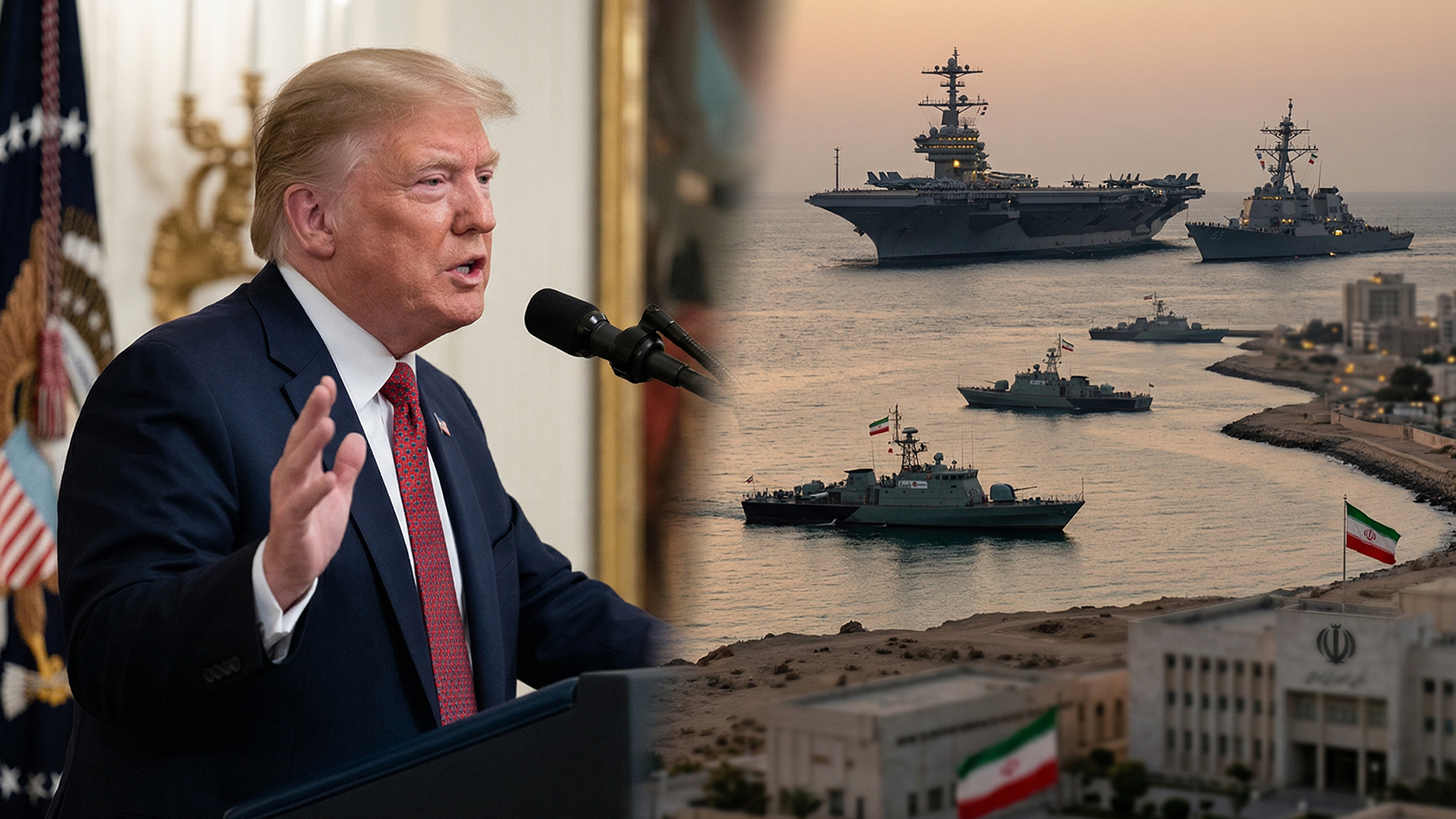
US President Donald Trump , in his address to the nation, has said the ongoing conflict with Iran is “close to an end,” even as he warned that military operations could continue for a few more weeks.

In a prime-time address, Trump defended the joint US-Israel military action, saying it had achieved significant results. According to him, Iran’s key military capabilities, including parts of its naval, air, and missile systems, have been heavily damaged. He described the campaign as a success so far, but did not provide a clear timeline for when the conflict would fully end.

At the same time, Trump indicated that strikes could continue for another two to three weeks if required. He stressed that the main objective of the operation is to stop Iran from developing nuclear weapons, calling the mission crucial for long-term global security.

The speech comes at a time when the conflict is already having wider global effects. Oil prices have risen sharply due to disruptions in supply routes, especially around the Strait of Hormuz, a key channel for global energy shipments. Trump acknowledged that fuel prices may remain high in the short term, but suggested the impact would not last.

Despite the confident tone, several uncertainties remain. Trump did not clearly explain how the war would conclude or whether Iran’s nuclear programme has been fully neutralised. While Iran has suffered damage, reports indicate that its leadership and some military capabilities are still intact.

The address has drawn mixed reactions. Supporters have welcomed the strong stance, but critics say the lack of a clear exit strategy raises concerns. There are also growing worries about the economic impact, particularly with rising oil prices and continued instability in global markets.

Also Read: SC slams Bengal after judges held hostage

SC slams Bengal after judges held hostage


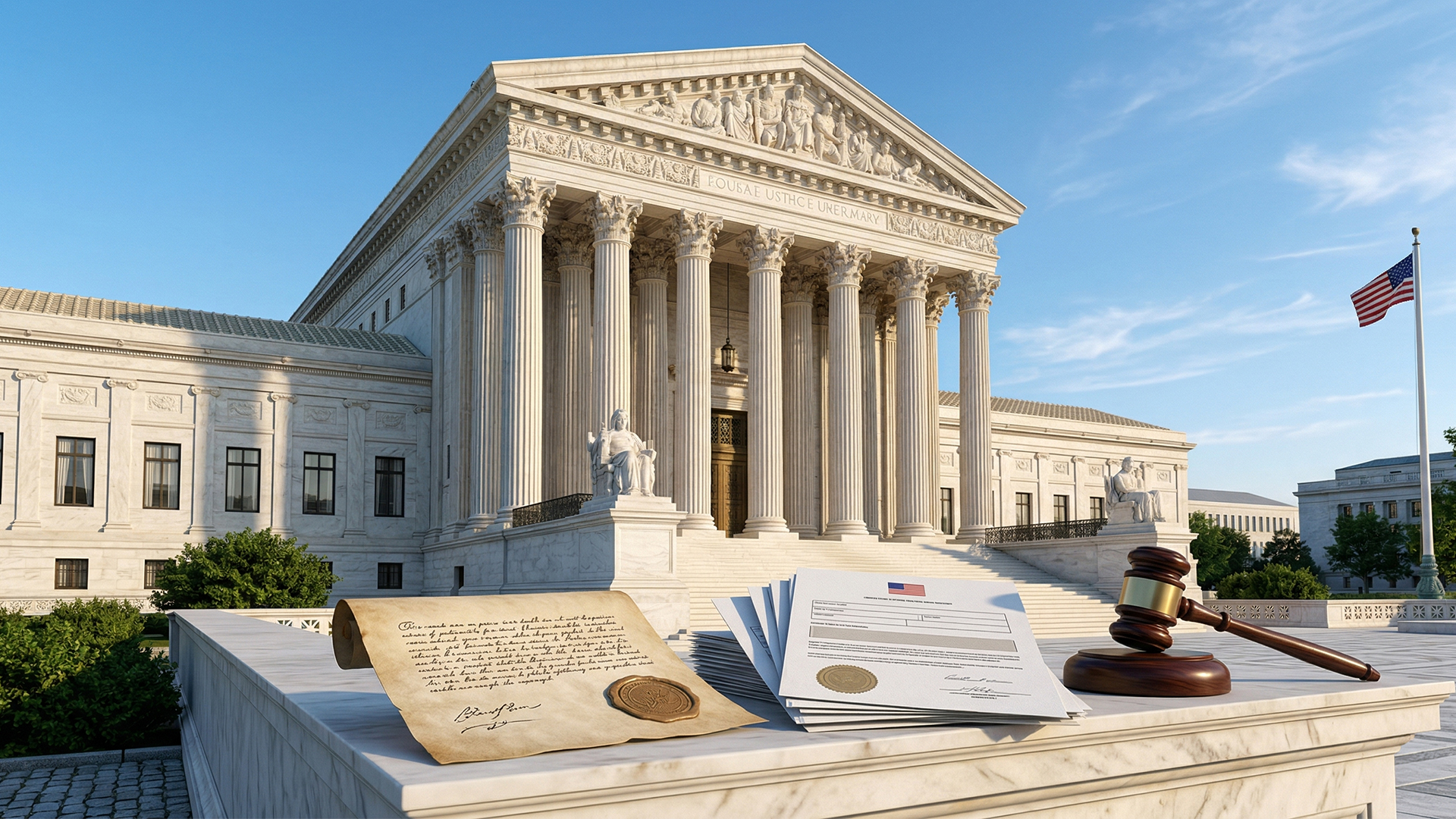
The Supreme Court has come down heavily on the West Bengal administration after seven judicial officers were held hostage for hours in Malda during an election-related exercise. Calling the situation a “complete breakdown of law and order,” the court expressed serious concern over the safety of officials performing judicial duties.

The incident occurred during the Special Intensive Revision (SIR) of electoral rolls, when officials were verifying voter lists. A group of locals, reportedly upset over the removal of names from the rolls, surrounded the officers inside a government office and prevented them from leaving for nearly nine hours.

Tensions escalated as the standoff continued into the night. Reports said there was stone-pelting and damage to vehicles during the rescue operation, which finally brought the officers to safety in the early hours.

Taking strong note of the incident, the Supreme Court said the attack appeared to be a “planned and motivated” attempt to intimidate judicial officers. The bench also pointed out that such actions directly challenge the authority of the judiciary and cannot be taken lightly.

The court questioned the state government over the lack of adequate security, especially when officials were engaged in a sensitive election-related task. It has asked top state authorities, including the Chief Secretary and Director General of Police, to explain the lapse.

In a significant move, the court directed that the case be investigated by a central agency, either the Central Bureau of Investigation (CBI) or the National Investigation Agency (NIA). The probe will be carried out under the court’s supervision to ensure accountability.

To prevent such incidents in the future, the Supreme Court also ordered the deployment of central armed forces to protect officials involved in the SIR process. It stressed that those carrying out court-mandated duties must be able to work without fear or interference.

The episode has sparked political reactions, with opposition parties criticising the state government’s handling of law and order, while the state leadership has countered with its own allegations.

The court made it clear that any attempt to threaten or obstruct judicial officers strikes at the core of the rule of law and will not be tolerated.

Also Read: PM Modi reviews LPG supply amid crisis

International Booker Prize 2026 shortlist

Six translated novels from around the world vie for the prestigious award

The 2026 International Booker Prize shortlist was announced on March 31, featuring six novels translated into English. The prize, which recognizes both authors and translators, awards £50,000 to the winning pair at a ceremony on May 19 at London’s Tate Modern.

Chosen from a longlist of 13 titles by a panel led by British author Natasha Brown, the shortlisted books were praised for their storytelling, emotional depth, and global perspective. The novels span diverse settings, from 1930s colonial Taiwan and Nazi-era Germany to post-revolutionary Iran and a Brazilian penal colony.

The finalists include The Nights Are Quiet in Tehran by Shida Bazyar, translated by Ruth Martin, which follows an Iranian family through revolution and exile. She Who Remains by Rene Karabash, translated by Izidora Angel, explores a young woman navigating Albanian tribal customs. The Director by Daniel Kehlmann, translated by Ross Benjamin, is a darkly comic story of a filmmaker in Nazi Germany. On Earth As It Is Beneath by Ana Paula Maia, translated by Padma Viswanathan, is set in a brutal Brazilian prison. The Witch by Marie NDiaye, translated by Jordan Stump, blends surreal family drama with folklore, and Taiwan Travelogue by Yáng Shuāng‑zǐ, translated by Lin King, reflects on food, memory, and colonial history.

Five of the six authors are women, and two are debut novelists, highlighting the prize’s focus on fresh, global voices. Judges noted that these works “resonate with history” while offering insight and humanity.

Each shortlisted book will receive £5,000, split between author and translator, with the overall winner announced in May. The list demonstrates the enduring power of literature to bridge cultures and bring universal stories to readers worldwide.

Also Read: ChatGPT arrives on Apple CarPlay

Top Court weighs US birthright citizenship challenge

Judges show scepticism over Trump’s landmark immigration move

The US Supreme Court is examining a major legal challenge that could redefine who qualifies for citizenship in the country. At the centre of the case is an effort to restrict birthright citizenship, a principle that has granted automatic citizenship to most people born in the United States for more than a century.

The dispute stems from a policy introduced by former President Donald Trump, which aims to deny citizenship to children born in the US to non-citizen parents, including undocumented migrants and those on temporary visas. The proposal challenges the widely accepted interpretation of the 14th Amendment, which states that anyone born on US soil is a citizen.

During the hearing, several justices appeared unconvinced by the arguments supporting the policy. They raised concerns about whether the Constitution allows such a significant change through executive action and questioned the interpretation of the phrase “subject to the jurisdiction thereof.” The court also examined the broader consequences of altering a long-established legal principle.

Lower courts have already blocked the policy, ruling that it goes against constitutional protections and established legal precedent. Opponents argue that ending birthright citizenship could leave many children born in the US without a clear legal status, creating long-term social and legal challenges.

The case has sparked national debate, drawing attention from legal experts, policymakers, and the public. Demonstrations took place outside the Supreme Court as supporters of birthright citizenship called for the preservation of what they see as a fundamental right.

Also Read: Trump says Iran war near end

Iran fires largest missile barrage at Israel

Central Israel targeted as Passover begins

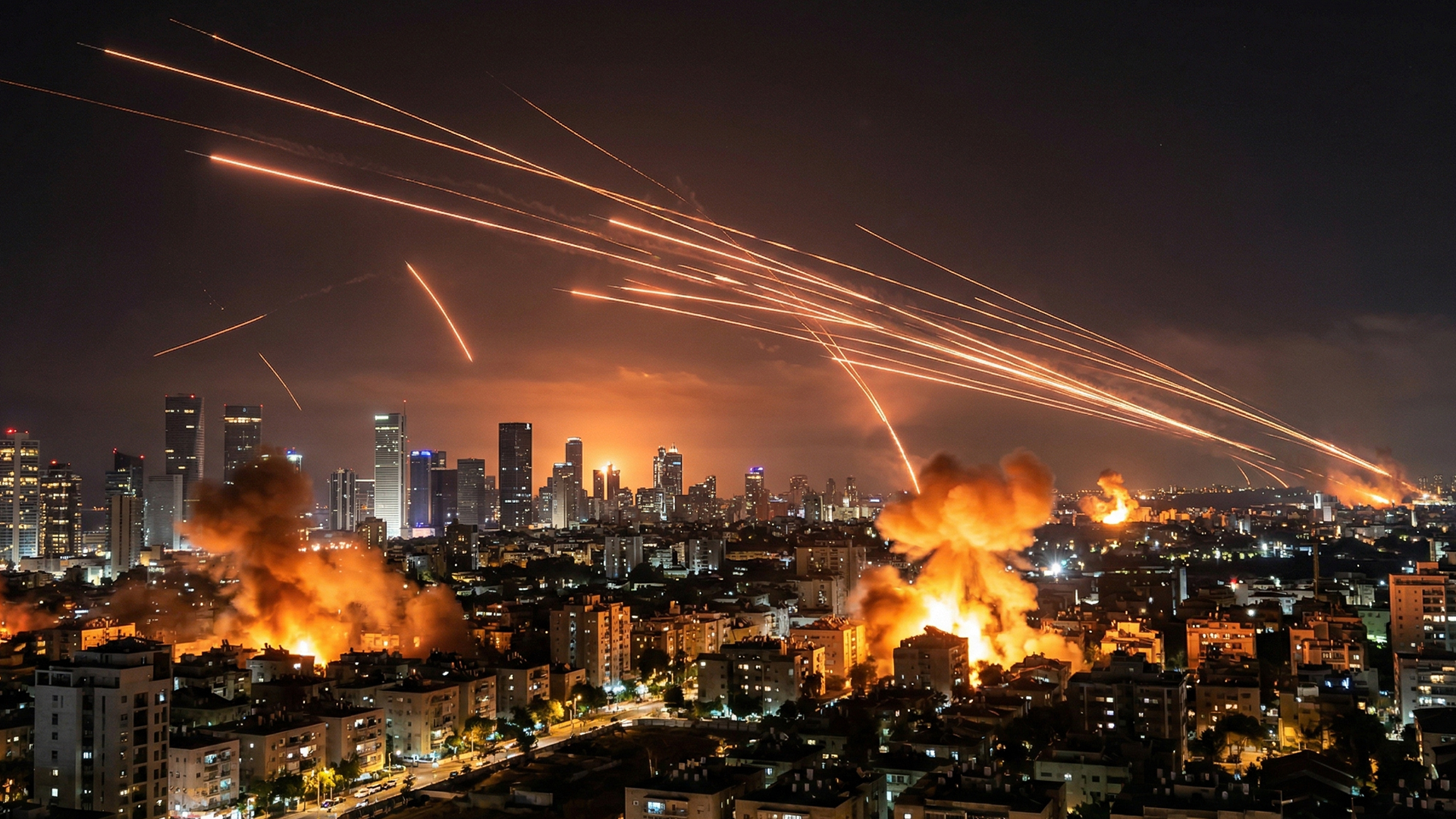
Iran fired its largest missile barrage of the ongoing conflict at central Israel, sharply escalating tensions as people prepared to celebrate Passover. The attack took place on Wednesday evening, catching many families just as they were about to begin the traditional Seder meal.

Air raid sirens sounded across central Israel, sending millions rushing to shelters. Loud explosions were heard in several areas as Israel’s air defence systems worked to intercept the incoming missiles. Authorities said around 10 ballistic missiles were launched, making it one of the most intense attacks in recent weeks.

While many of the missiles were intercepted, some managed to land or caused damage through falling debris. Emergency teams were deployed to multiple locations, where buildings were damaged and several people were treated for minor injuries and shock. There were no immediate reports of major casualties.

Reports also suggested that at least one missile may have carried a cluster-type warhead, which spreads smaller explosives over a wide area. This has raised concerns due to the increased risk it poses to civilians, especially in densely populated regions.

The timing of the attack added to its impact, as it disrupted one of the most important Jewish holidays. Families were forced to leave their homes and gatherings midway, seeking safety instead of continuing celebrations.

This barrage is being described as the largest direct missile attack by Iran since the conflict began, signalling a serious escalation between the two countries. In recent weeks, tensions have been steadily rising, with both sides engaging in repeated strikes.

Also Read: ChatGPT arrives on Apple CarPlay