rotating globe
2 Apr 2026


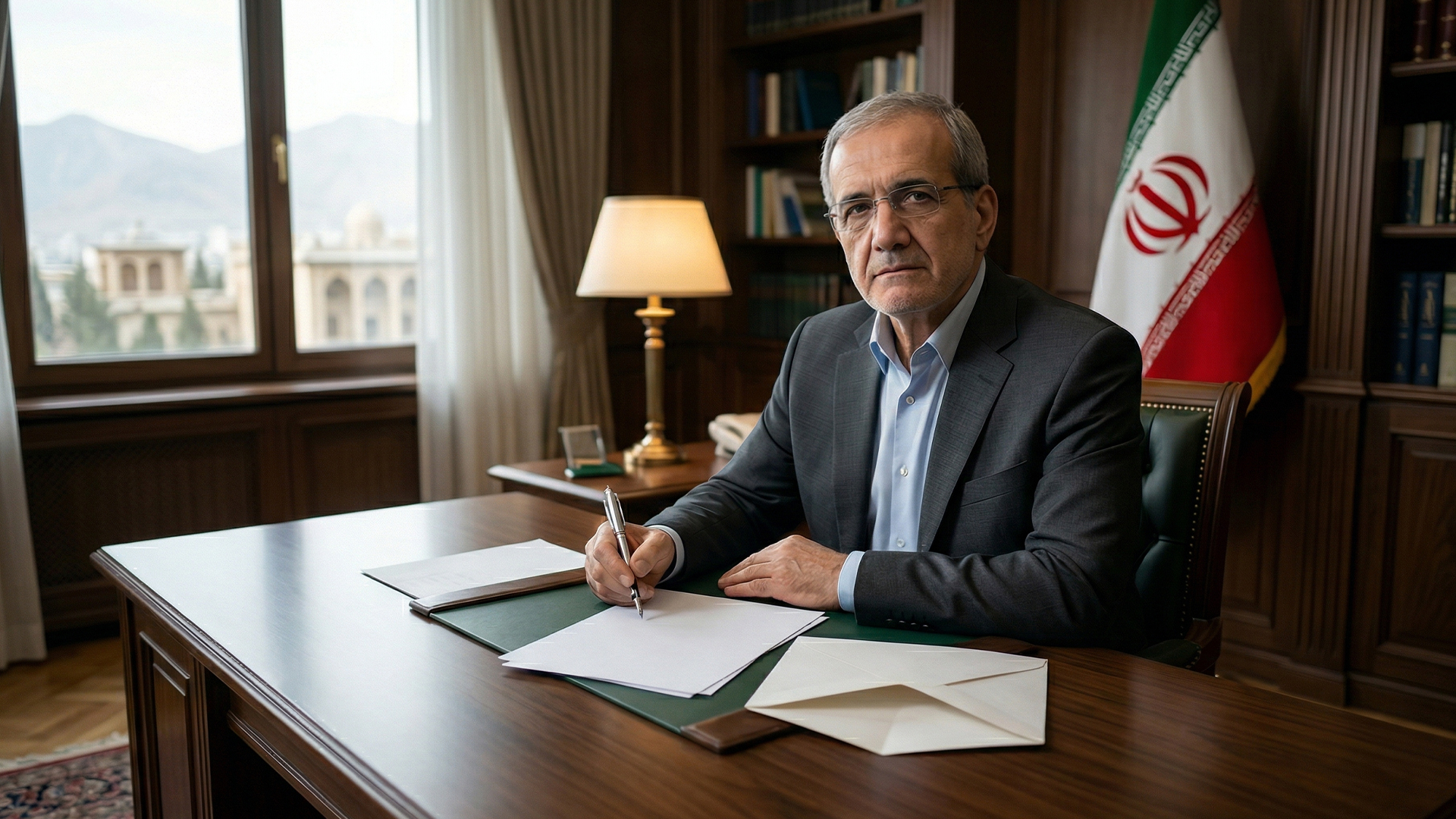
Trump weighs US exit from NATO

Rift with allies over Iran war raises concerns about future of key military alliance

US President Donald Trump has said he is considering taking the United States out of NATO, a move that could significantly reshape global security.

Speaking recently, Trump criticised NATO and called it a “paper tiger,” questioning its effectiveness. His comments come at a time of growing disagreement between the US and several European allies over the ongoing conflict with Iran. Many NATO countries have not backed the US-led military action, creating tensions within the alliance.

Trump expressed frustration over what he sees as a lack of support from partner nations, especially when it comes to protecting global energy routes and sharing defence responsibilities. He has long argued that the US bears too much of the financial and military burden, while other members contribute less.

The possibility of the US stepping away from NATO has raised concerns among global leaders and defence experts. NATO has been a key pillar of Western security since it was formed in 1949, and the US plays a central role in its strength and operations. Any move to exit the alliance could weaken its ability to respond to global threats.

However, leaving NATO is not a simple decision. Under US law, such a step would likely require approval from Congress, meaning there could be legal and political hurdles before any action is taken.

Trump’s remarks have also sparked debate in Europe, with some leaders calling for stronger independent defence systems in case US support becomes uncertain in the future.

Also Read: SC slams Bengal after judges held hostage

ChatGPT arrives on Apple CarPlay

Rift with allies over Iran war raises concerns about future of key military alliance

OpenAI has brought its popular chatbot ChatGPT to Apple CarPlay, allowing users to interact with AI while driving using just their voice.

The feature comes with the latest iOS 26.4 update and is designed to make driving safer and more convenient. With this, iPhone users can ask questions, get information, or have quick conversations with ChatGPT without needing to touch their phone or look at the screen.

To keep distractions to a minimum, the CarPlay version works only through voice. Unlike the regular app, there is no text display—responses are spoken aloud, helping drivers stay focused on the road. This makes it easier to use AI assistance without compromising safety.

The update also marks a shift in how Apple approaches in-car technology. Until now, CarPlay mainly relied on Siri for voice interactions. With this change, Apple is opening up its system to third-party AI tools, giving users more options beyond its built-in assistant.

There are still a few limits in place. Users cannot activate ChatGPT with a simple voice command like “Hey Siri.” Instead, they need to open the app manually from the CarPlay dashboard before starting a conversation. Also, the chatbot cannot control car functions or change phone settings, as Apple continues to prioritise safety and system control.

Even with these restrictions, the addition of ChatGPT is seen as a big step forward. It allows for more natural, conversational interactions compared to traditional voice assistants, making the in-car experience more engaging.

Also Read: Duty on petrochemicals waived till June 30


Duty on petrochemicals waived till June 30


The Indian government has temporarily removed import duty on several key petrochemical products until June 30, 2026, offering relief to industries struggling with rising costs and supply issues.

The move comes as global supply chains remain under pressure due to ongoing tensions in West Asia, particularly involving Iran. These disruptions have made it harder and more expensive to import essential raw materials, affecting a wide range of industries in India.

To address this, the government has waived customs duty on more than 40 petrochemical products. These include commonly used chemicals such as methanol, toluene, styrene, vinyl chloride monomer (VCM), monoethylene glycol (MEG), and phenol. These materials are important for manufacturing everyday products like plastics, packaging materials, textiles, medicines, and auto components.

By cutting import duties, the government aims to make these raw materials more affordable and ensure that industries continue to get adequate supply. This is expected to help companies manage rising input costs and keep production running smoothly.

The move could also bring some relief to consumers. If manufacturers face lower costs, they may not need to increase prices of finished goods as sharply, helping to control inflation in certain sectors.

The current situation has been further complicated by a shift in domestic petrochemical use. Some resources are being diverted towards producing LPG to meet rising demand for cooking gas, which has tightened supply for industrial use.

Also Read: Trump says Iran war near end


PM Modi reviews LPG supply amid crisis

India diversifies fuel sourcing, steps up monitoring to prevent shortages and price spikes amid West Asia conflict

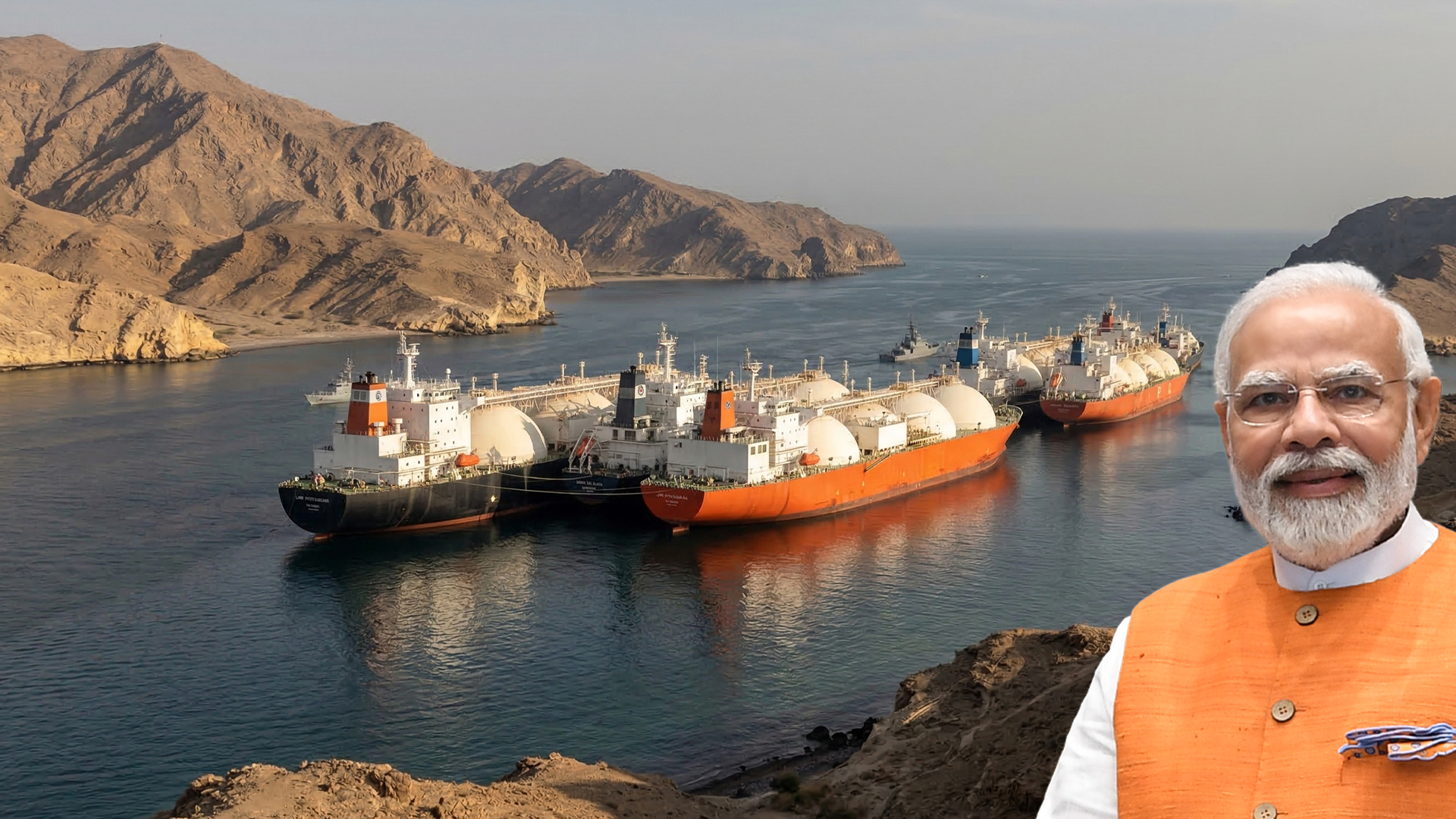
Amid growing concerns over a possible LPG shortage triggered by the ongoing West Asia conflict, Prime Minister Narendra Modi chaired a high-level meeting of the Cabinet Committee on Security (CCS) to review the situation and ensure uninterrupted supply of essential fuels.

The meeting focused on the impact of the conflict involving Iran, the United States, and Israel, which has disrupted key global energy routes, especially around the Strait of Hormuz—a critical channel for India’s fuel imports. With a large share of India’s LPG and crude oil supplies passing through this region, any disruption has immediate implications for domestic availability and prices.

During the meeting, the government reviewed measures to maintain adequate supply of petroleum products, particularly LPG and LNG. Officials highlighted that India is actively diversifying its sourcing strategy by procuring fuel from multiple countries to reduce dependence on any single region.

The government also stressed that LPG prices for domestic consumers will remain stable for now, even as global prices remain volatile. At the same time, stricter monitoring is being implemented to prevent hoarding, black-marketing, and diversion of subsidised cylinders.

The CCS directed various ministries to take urgent steps to secure supply chains and minimise the risk of price spikes. This includes close coordination between energy, shipping, and external affairs departments to ensure timely imports and smooth distribution across the country.

The urgency of the situation is reflected in the broader impact already being felt across sectors. Supply disruptions have begun affecting industries and households, with delays in shipments and rising transportation costs adding to the pressure.

To manage the crisis, the government has been taking proactive steps, including increasing fuel allocations and exploring alternative supply routes. Ensuring availability of cooking gas remains a top priority, given its importance for households and small businesses.

Also Read: Small blast near BJP office in Chandigarh


Small blast near BJP office in Chandigarh

Small explosion in Sector 37 causes panic; no injuries reported

A loud bang was heard outside the Punjab BJP office in Sector 37, Chandigarh, on Wednesday evening, causing fear among people nearby. The sound, which seemed like a blast, happened around 5 pm and led residents and passers‑by to rush out of their homes and offices.

The Chandigarh Police quickly reached the scene and cordoned off the area to keep people safe and preserve evidence. The fire brigade also came as a precaution, though there was no major fire.

Initial reports suggest it was a small blast, and so far, no one has been injured. The BJP office building did not suffer serious damage, though some nearby vehicles may have minor marks from the blast.

Police are investigating the cause. They are collecting evidence from the site to see if it was an intentional explosion or an accident. All possibilities are being checked.

Authorities have asked people to stay calm and not spread rumors. No group or person has claimed responsibility, and no motive has been confirmed yet.

This incident caused temporary panic but, fortunately, everyone is safe.

The investigation is ongoing, and police will release more information as they learn more about what happened.

Also Read: PM Modi slams Congress over Iran war

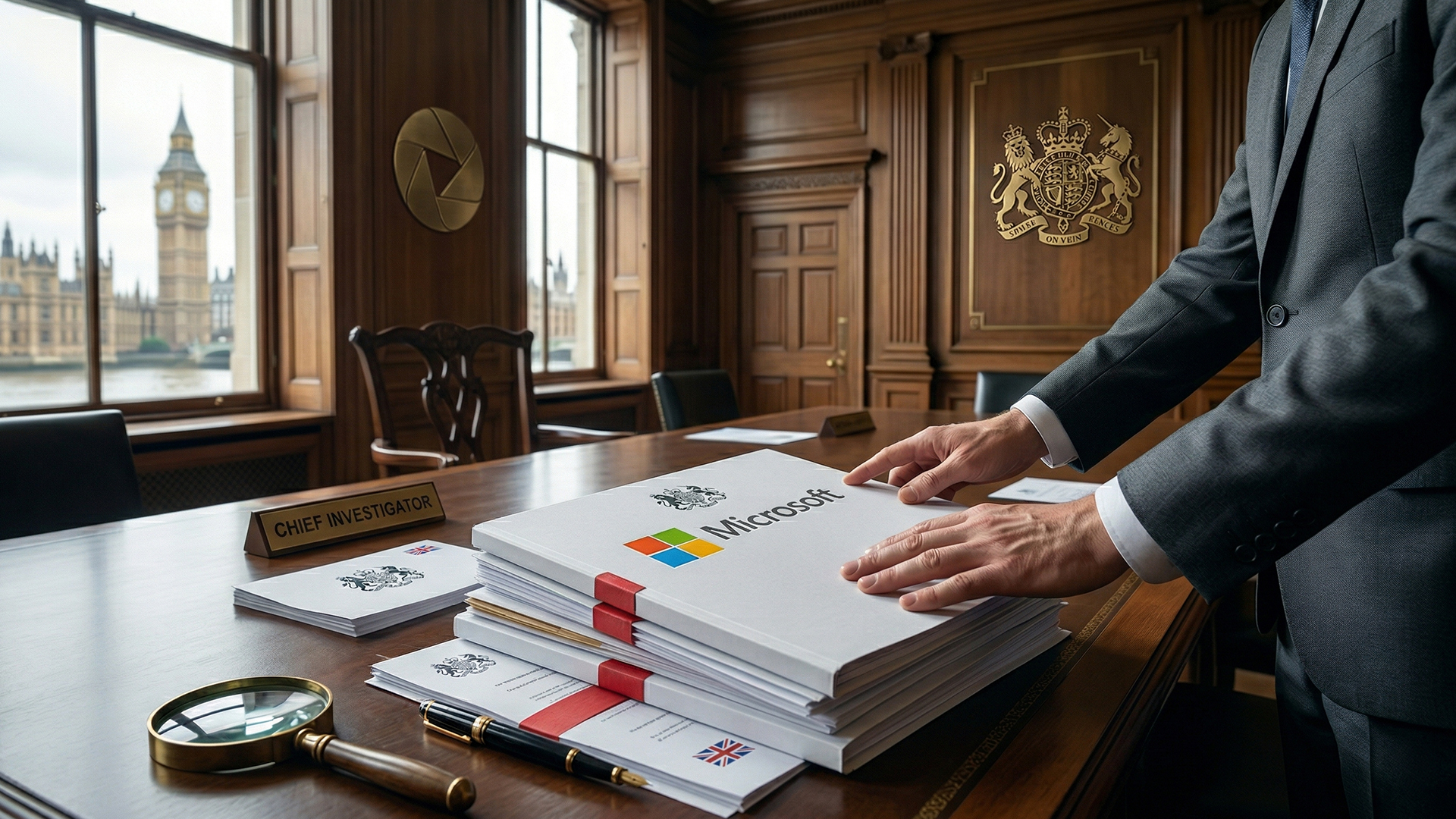
UK probes Microsoft over business software

Regulator examines competition concerns in cloud and AI tools

Microsoft is under the spotlight in the United Kingdom as regulators launch an investigation into its business software practices. The UK’s Competition and Markets Authority (CMA) is looking into whether Microsoft’s widely used tools are limiting competition and making it harder for customers to use alternatives.

The probe will focus on Microsoft’s key software, including Windows, Office apps like Word and Excel, Teams, and the newer AI-powered Copilot. Officials are concerned that the way Microsoft licenses these products, especially for cloud use, may give the company an unfair advantage and make it difficult or costly for customers to switch to rival platforms.

This investigation follows earlier scrutiny of cloud services, where Microsoft and other tech giants were found to have strong market positions that could affect competition. The CMA is considering giving Microsoft a “strategic market status,” which would allow the regulator to impose rules to ensure fair competition and protect customers.

The timing of the probe is significant as artificial intelligence becomes more deeply integrated into everyday business tools. Regulators say it’s important to address competition issues early to ensure that businesses have choices and that innovation continues without being blocked by dominant players.

Microsoft has stated that it will cooperate fully with the investigation and provide all necessary information. The company emphasized that the cloud and AI markets are rapidly evolving and that it is committed to giving customers flexibility and options.

The CMA’s decision could reshape how business software is sold and used in the UK and may set a precedent for how other countries regulate Big Tech. For businesses, it highlights the growing importance of competition rules in shaping the tools they rely on every day.

Also Read: Indian Navy adds ‘Malwan’ to coastal defence fleet

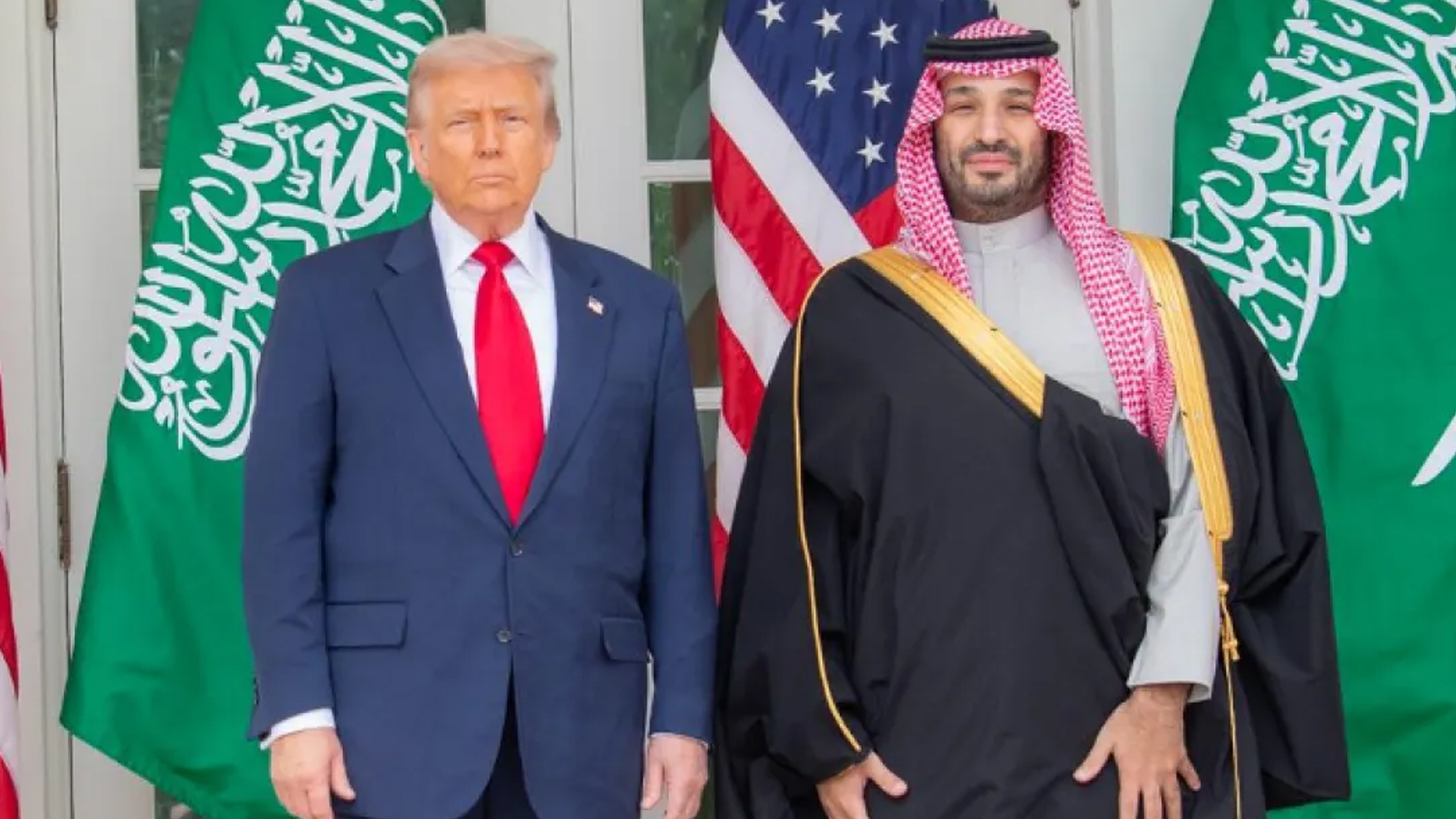
Gulf nations push US to continue Iran war

Regional allies urge stronger action as Trump weighs exit

Several Gulf countries are quietly urging US. President Donald Trump to continue the ongoing conflict with Iran, saying the fight should go on until Iran is clearly weakened.

Nations like Saudi Arabia and the United Arab Emirates believe stopping now could allow Iran to recover and remain a threat in the region. They see the current situation as a rare chance to reduce Iran’s military strength and influence.

Some countries, especially the UAE, are even open to stronger military steps if needed. Their position has hardened after facing repeated missile and drone attacks during the conflict.

However, not all countries in the region agree. Qatar and Oman are pushing for talks and a peaceful solution instead of more fighting. This shows that there are differences within the Gulf on how to deal with Iran.

The pressure comes as Trump has indicated that the United States may step back from the conflict soon. This has worried some allies, who fear that leaving too early could create more instability.

The conflict has already caused serious damage across the region, affecting lives, infrastructure, and key oil routes. There are also concerns globally about rising tensions and disruptions to energy supplies.

At the same time, some European countries have criticised the approach, saying more effort should be made to find a diplomatic solution.

Also Read: New chip plant opens in Sanand, Gujarat

Israel passes death penalty law just for Palestinians

New law sparks fear and global criticism over fairness and human rights

The Israeli parliament, the Knesset, has approved a law allowing the death penalty for Palestinians convicted of deadly attacks against Israelis in the West Bank. The new measure, passed on 30 March 2026, makes execution by hanging mandatory for those found guilty and largely removes the right to appeal.

Supporters, including Prime Minister Benjamin Netanyahu and National Security Minister Itamar Ben‑Gvir, say the law is a strong step to protect Israelis and deliver justice for victims of terrorism. They hope it will act as a deterrent against future attacks.

But critics see the law very differently. While it does not explicitly mention Palestinians, in practice, only Palestinians are affected, since they are tried in military courts. Jewish Israelis, even if convicted of similar crimes, face civilian courts, meaning the law applies almost exclusively to one group.

The Palestinian Authority called it a “war crime” and warned it could escalate violence in an already tense region. Observers also note that Israel has not carried out executions since 1962, making this law a major change in policy and raising fears about fairness and human rights.

The law has also drawn sharp international criticism. The United Nations High Commissioner for Human Rights, Volker Türk, described it as “deeply discriminatory” and warned it could breach international legal standards. European governments, including Germany, France, Italy, and the UK, condemned the law as inhumane and incompatible with global norms against capital punishment.

Human rights organizations, opposition politicians, and legal experts have quickly challenged the legislation in Israel’s Supreme Court. Groups like Adalah – The Legal Center for Arab Minority Rights in Israel call it unconstitutional and discriminatory, arguing it violates both Israeli democratic values and international law.

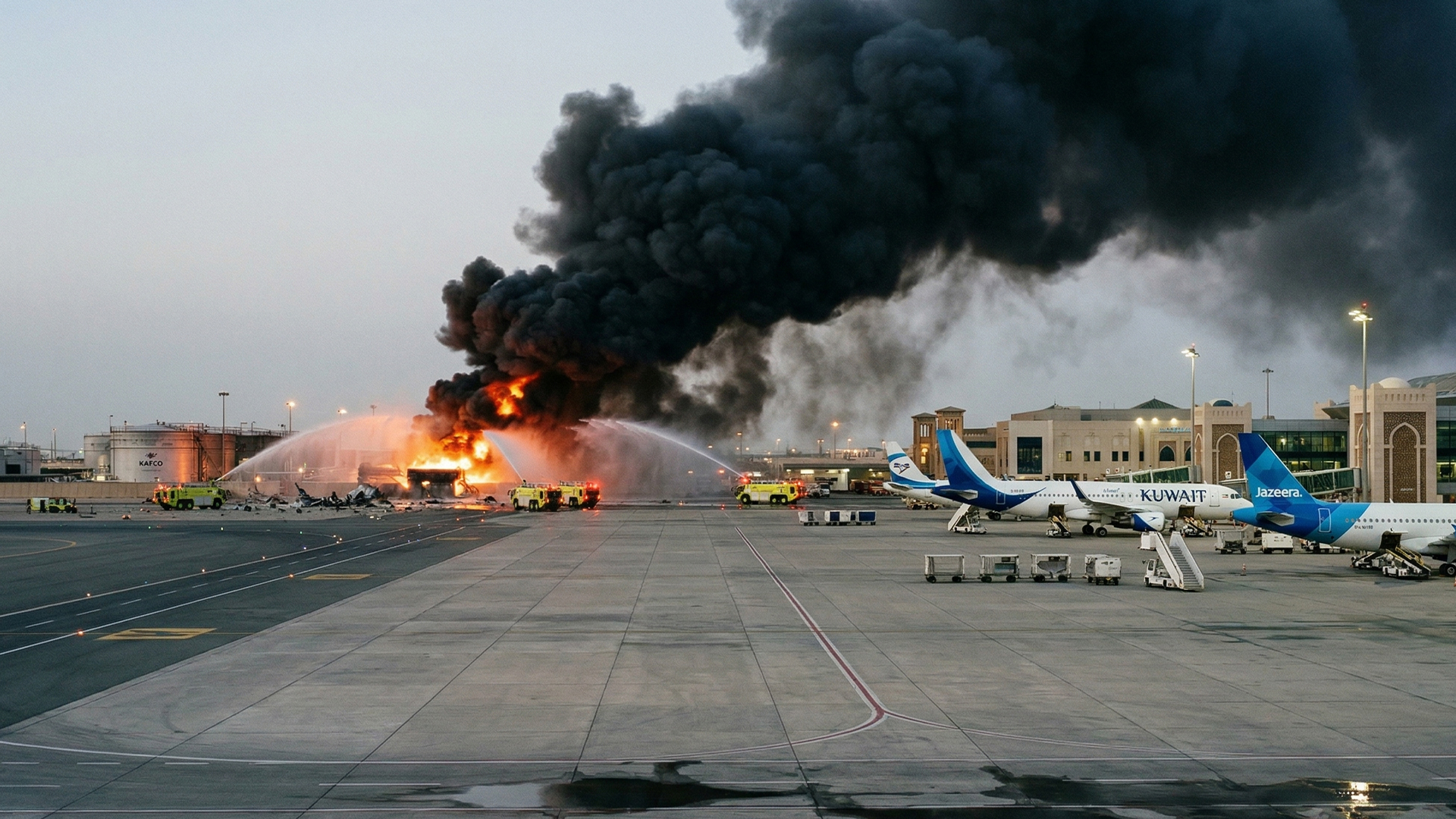
Also Read: Drone strike hits Kuwait Airport, fire erupts