The Union Budget 2026‑27, presented by Finance Minister Nirmala Sitharaman, focuses on strengthening India’s healthcare and pharmaceutical sectors while lowering the cost of treatment for patients.
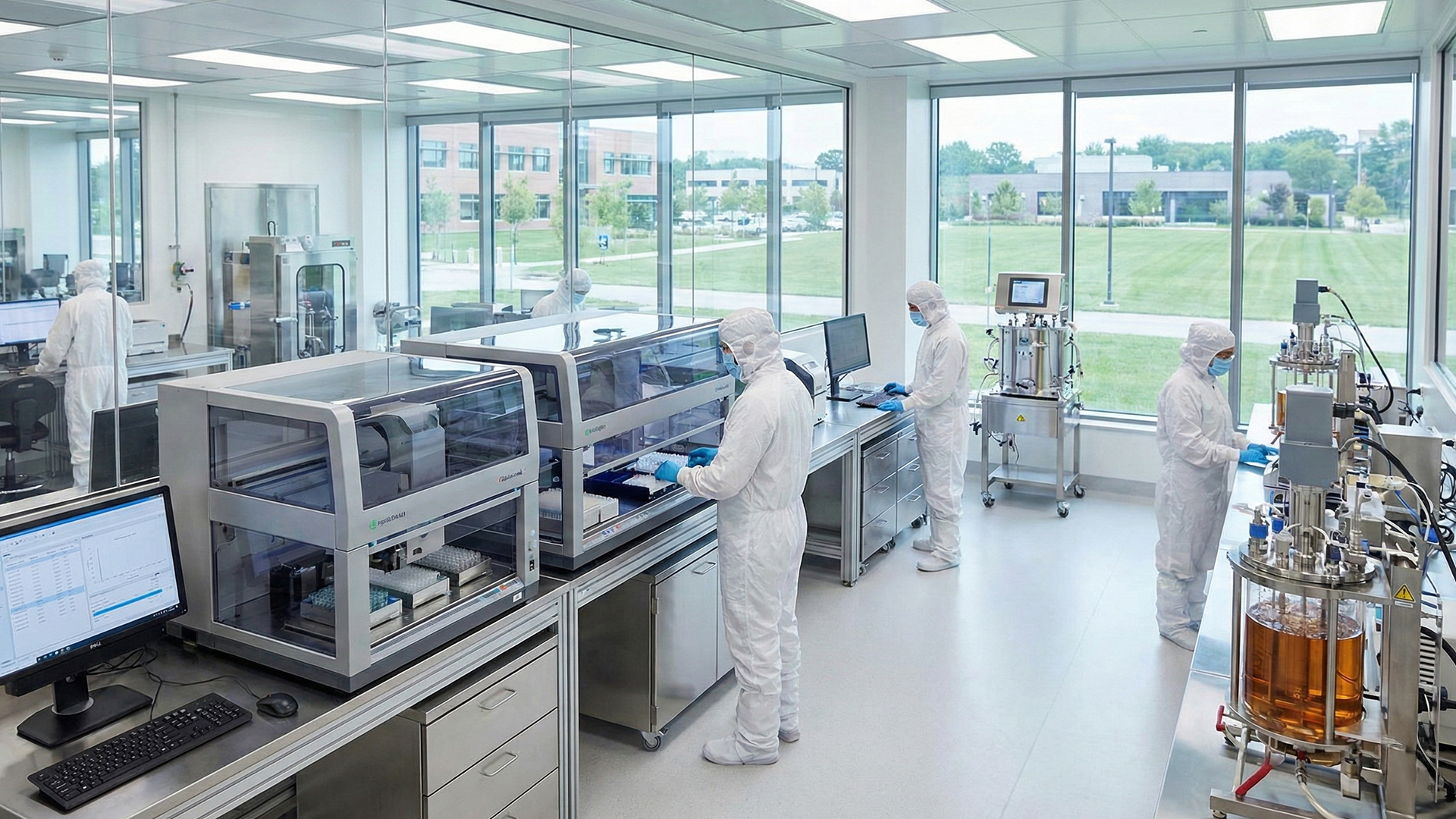
A major highlight is the BioPharma Shakti initiative, a ₹10,000 crore plan over the next five years to boost domestic production of complex medicines, including biologics and biosimilars. These medicines are used to treat cancer, diabetes, and autoimmune diseases. The aim is to reduce dependence on imports, encourage research and innovation, and make India a hub for biopharma manufacturing.
To support research and skill development, the government will set up three new National Institutes of Pharmaceutical Education and Research (NIPERs) and upgrade seven existing ones. A network of 1,000 accredited clinical trial sites will also be created across the country to accelerate drug development and attract global clinical research.
For patients, the Budget provides relief by waiving customs duty on 17 critical cancer drugs, many of which are imported and expensive. Additionally, medicines for seven rare diseases can now be imported duty-free for personal use. These moves are expected to make life-saving treatments more affordable.
The government is also investing in healthcare workforce development. New training institutes will be established, and existing ones upgraded, with a target to train around one lakh allied health professionals over five years. This will help fill gaps in areas like radiology, optometry, anesthesia, and mental health care.
Other healthcare measures include supporting regional medical hubs, promoting medical tourism, and strengthening traditional medicine (AYUSH) through new institutes and upgraded labs. Mental health is also a priority, with plans to expand facilities at NIMHANS and increase support for mental health services.
Also Read: GIFT City tax holiday extended 20 years