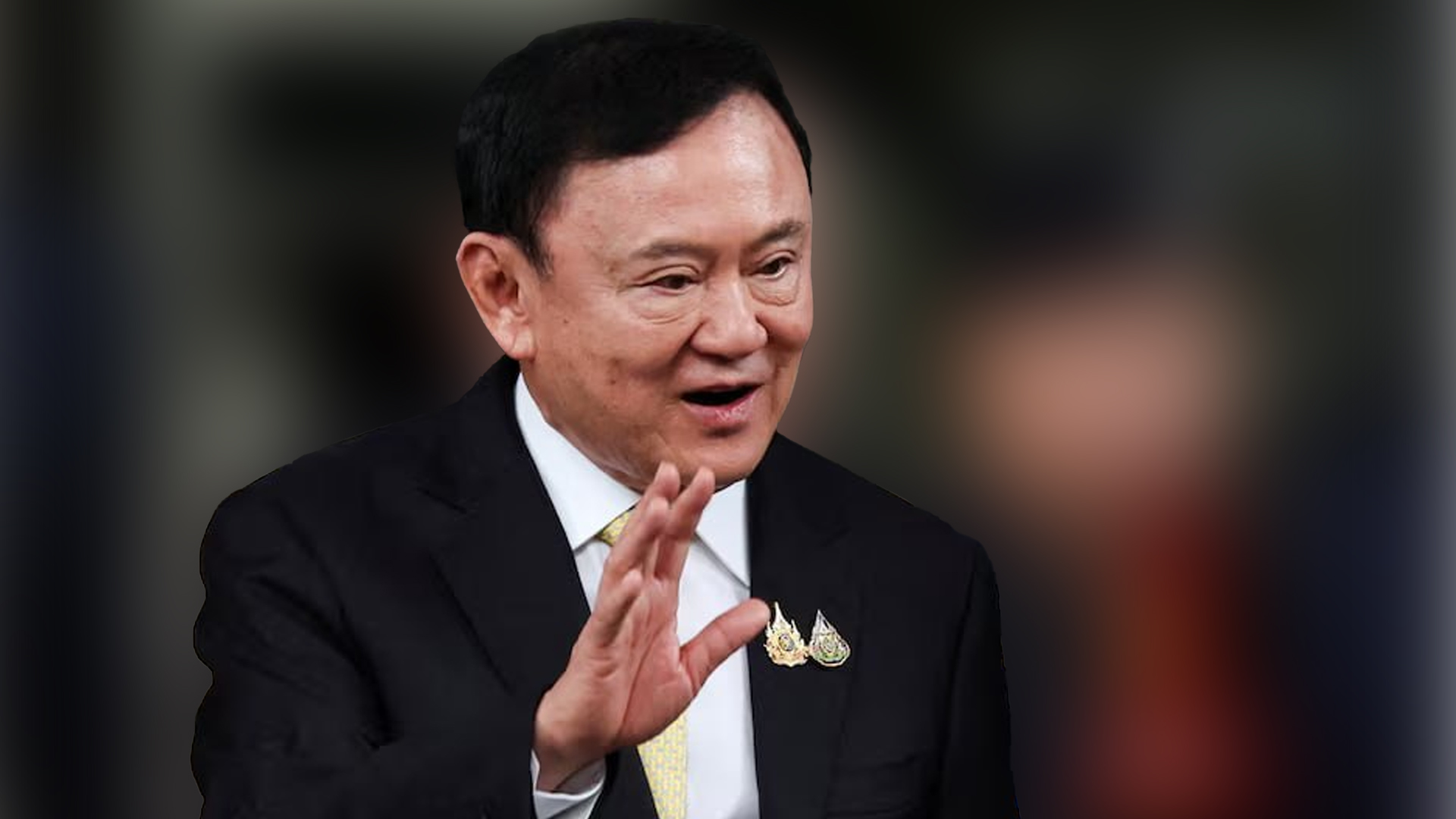
Thailand’s Supreme Court on Tuesday ordered former Prime Minister Thaksin Shinawatra to serve one year in prison, in a decisive judicial ruling that marks another major blow to the powerful Shinawatra political dynasty that has shaped the country’s political landscape for more than two decades.
The court ruled that Thaksin must serve prison time he avoided while under hospital detention, following his return from 15 years of self-imposed exile. Police were set to take him into custody, a Reuters reporter at the court said, though Thaksin had not yet left the premises at the time of reporting.
Thaksin’s return in 2023 was met with both curiosity and controversy. After being briefly imprisoned, he was swiftly transferred to a hospital due to reported heart trouble and chest pains, prompting widespread scepticism and public outrage. His eight-year sentence for conflicts of interest and abuse of power had been commuted to one year by the king, and he was released on parole after only six months—most of which he spent in the VIP wing of a hospital, fuelling perceptions of preferential treatment.
This latest ruling comes amid a broader political reckoning for the Shinawatra family. Just 11 days earlier, Thaksin’s daughter and political heir, Paetongtarn Shinawatra, was removed as Prime Minister by the courts. She became the sixth premier from or supported by the Shinawatra clan to be ousted through judicial or military intervention, underscoring the judiciary’s tightening grip on political influence in Thailand.
The fall of Paetongtarn’s government plunged the country into days of political uncertainty, culminating in a parliamentary vote that saw Anutin Charnvirakul, a former ally, elected as Thailand’s new Prime Minister. Anutin’s rise represents a significant defeat for Thaksin’s Pheu Thai Party, once regarded as an unstoppable political force. His appointment, swiftly endorsed by the monarchy, signals a shift in Thailand’s political order and the weakening of the Shinawatra legacy.
Thaksin, dressed in a suit and a yellow tie symbolic of royal allegiance, arrived at the Supreme Court with his family and greeted media workers outside. A small group of red-shirted supporters held placards and his photographs, expressing loyalty even amid his legal downfall.
Analysts view the court’s ruling as part of a broader effort to reduce the political dominance of entrenched families and curb corruption. It also reflects public frustration over perceived abuses of power and unequal treatment by the justice system.
Thailand’s political future now hinges on how Anutin’s administration manages this transition, while reconciling public sentiment and international expectations. The ruling against Thaksin is widely seen as both a judicial assertion of accountability and a moment of reckoning for a family whose influence once seemed untouchable.
As Thailand enters this next phase, observers anticipate heightened political polarization but also renewed efforts toward legal and institutional reform aimed at ensuring fairness and restoring public trust.
Also Read: Apple’s Awe-Dropping Event Set to Unveil iPhone 17 Pro Series