The Ministry of External Affairs (MEA) on Tuesday, September 9, 2025, advised Indian nationals in Nepal to exercise caution and strictly follow the guidelines issued by Nepali authorities amid escalating protests that have already claimed dozens of lives. The ministry also expressed deep condolences over the loss of lives during the unrest.
“We are closely monitoring the developments in Nepal since yesterday and are deeply saddened by the loss of many young lives,” the MEA said in its statement. “Our thoughts and prayers are with the families of the deceased. We also wish for the speedy recovery of those injured.”
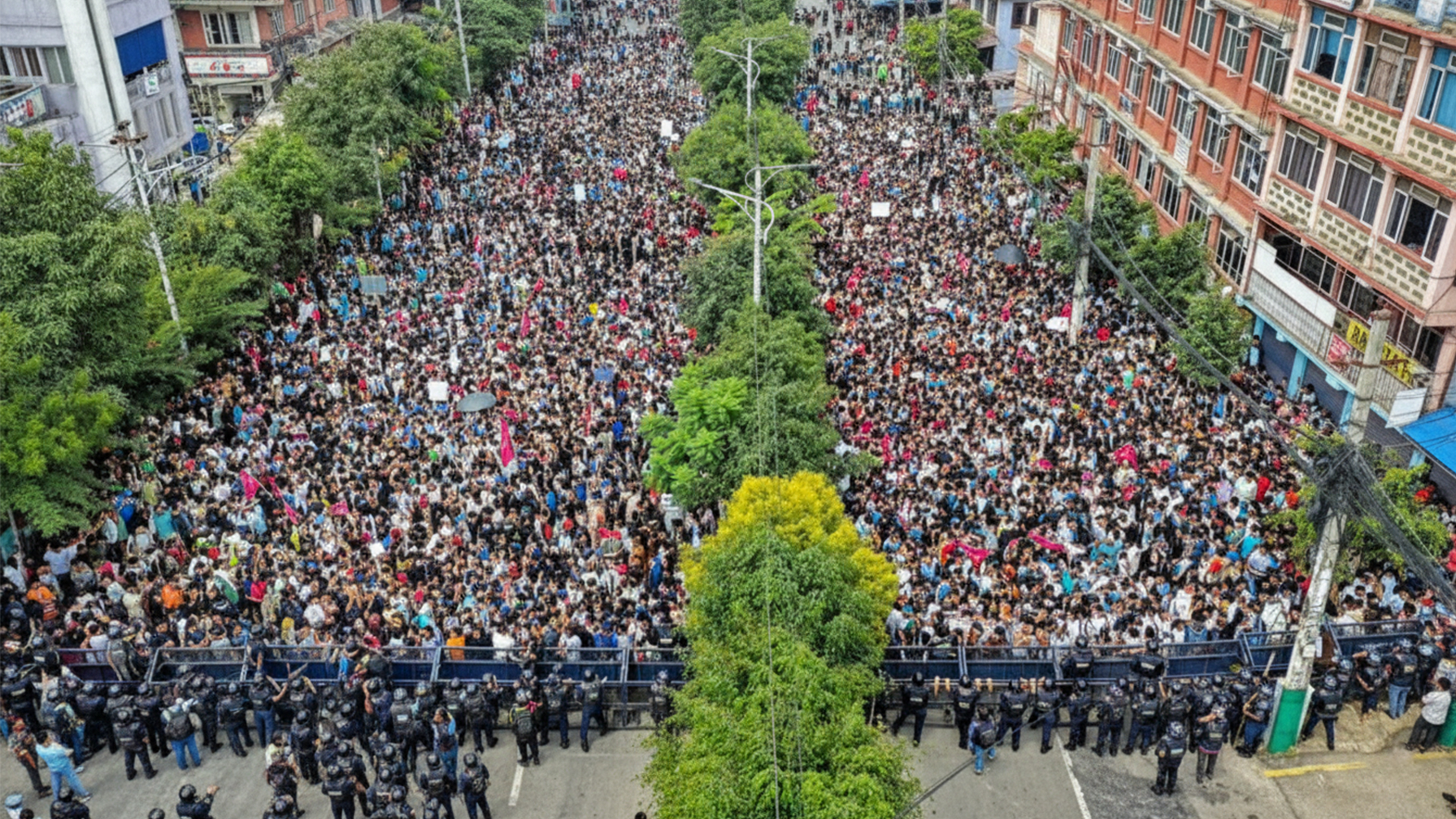
The protests erupted across multiple cities in Nepal on Monday, September 8, after the government led by Prime Minister K.P. Sharma Oli imposed a sweeping ban on social media platforms, including X, Instagram, Facebook, and WhatsApp. The government cited failure to comply with Nepal’s mandatory registration requirements as justification for the ban. Free speech advocates, however, alleged that the move was aimed at suppressing dissent and controlling online narratives. By late Monday night, facing mounting public pressure, the government revoked the ban.
The demonstrations turned violent, with security forces using rubber bullets and live rounds to disperse crowds. According to the Ministry of Health and Population, at least 19 people were killed and more than 300 injured, with casualties reported from hospitals across the country. The protests were particularly intense in cities like Kathmandu, Pokhara, Butwal, Dharan, Ghorahi, and Itahari.
The unrest was largely driven by Nepal’s tech-savvy younger generation, often referred to as “Gen Z,” who led calls against corruption, nepotism, and misgovernance. The protests have been described as a spontaneous uprising triggered by the social media blackout but fueled by deeper grievances about political dysfunction and governance failures.
In a statement released following the violence, Prime Minister Oli defended the ban, blaming “infiltrators” for inciting unrest and expressing sorrow over the loss of lives. Meanwhile, Nepal’s Cabinet announced the formation of an inquiry committee to investigate the events of the day.
Responding to the crisis, the MEA’s advisory to Indian citizens underscores India’s concern over the situation in its neighboring country. The statement further stressed India’s role as a close friend and neighbor, urging all parties to exercise restraint and resolve issues through peaceful dialogue.
The advisory also reflects growing regional concerns about the role of digital platforms in shaping public discourse and mobilizing mass movements. The incident in Nepal mirrors broader global debates over the balance between state control, regulation, and free expression online.
Also Read: Nepal’s Youth Riot Over Social Media Ban and Corruption Allegations