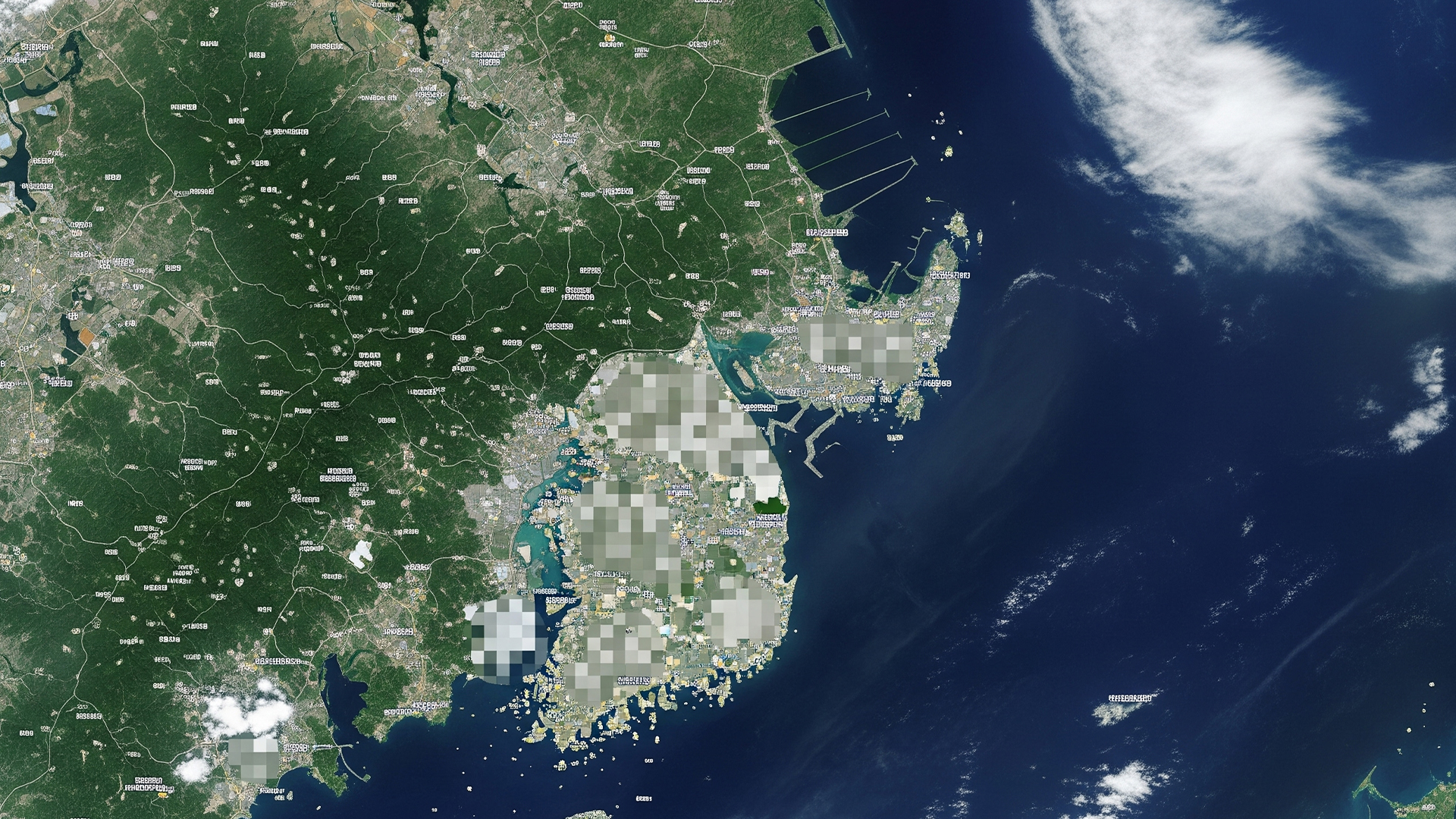
Google announced on Tuesday, September 9, 2025, that it will comply with South Korea’s demand to blur sensitive satellite images on its mapping services. This decision marks a significant shift in the tech giant’s approach to operating in South Korea, where it has faced nearly two decades of regulatory challenges concerning geospatial data.
South Korea enforces stringent laws requiring that core geospatial data be stored locally within the country. These regulations are rooted in national security concerns, particularly the protection of sensitive military infrastructure from potential foreign surveillance. As a result, foreign companies like Google have been unable to access detailed mapping data, hindering their ability to provide comprehensive navigation services. Domestic firms such as Naver and Kakao have dominated the mapping market, offering services tailored to local needs and preferences.
In response to the government’s demands, Google has agreed to blur satellite images of sensitive sites and remove geographic coordinates of security locations from its mapping services. The company confirmed its commitment to these measures, stating that it would “invest a lot of time and resources” to ensure compliance
This concession is part of a broader effort by Google to navigate the regulatory landscape in South Korea. The company has also proposed acquiring imagery from approved Korean third parties to enhance the accuracy of its maps while adhering to local laws
South Korea remains one of the few countries where international mapping services like Google Maps face significant operational limitations. The restrictions have led to a fragmented digital navigation experience for users, particularly foreign visitors who are accustomed to seamless mapping services in other regions. While Google’s recent compliance may improve its standing in the South Korean market, the company continues to face challenges in obtaining full access to the detailed mapping data necessary for optimal service delivery.
The South Korean government has indicated that discussions regarding the export of high-precision map data are ongoing. While Google has made concessions, the final decision on allowing the export of detailed mapping data remains pending. The outcome of these discussions will determine the extent to which international companies can operate within South Korea’s geospatial data framework.