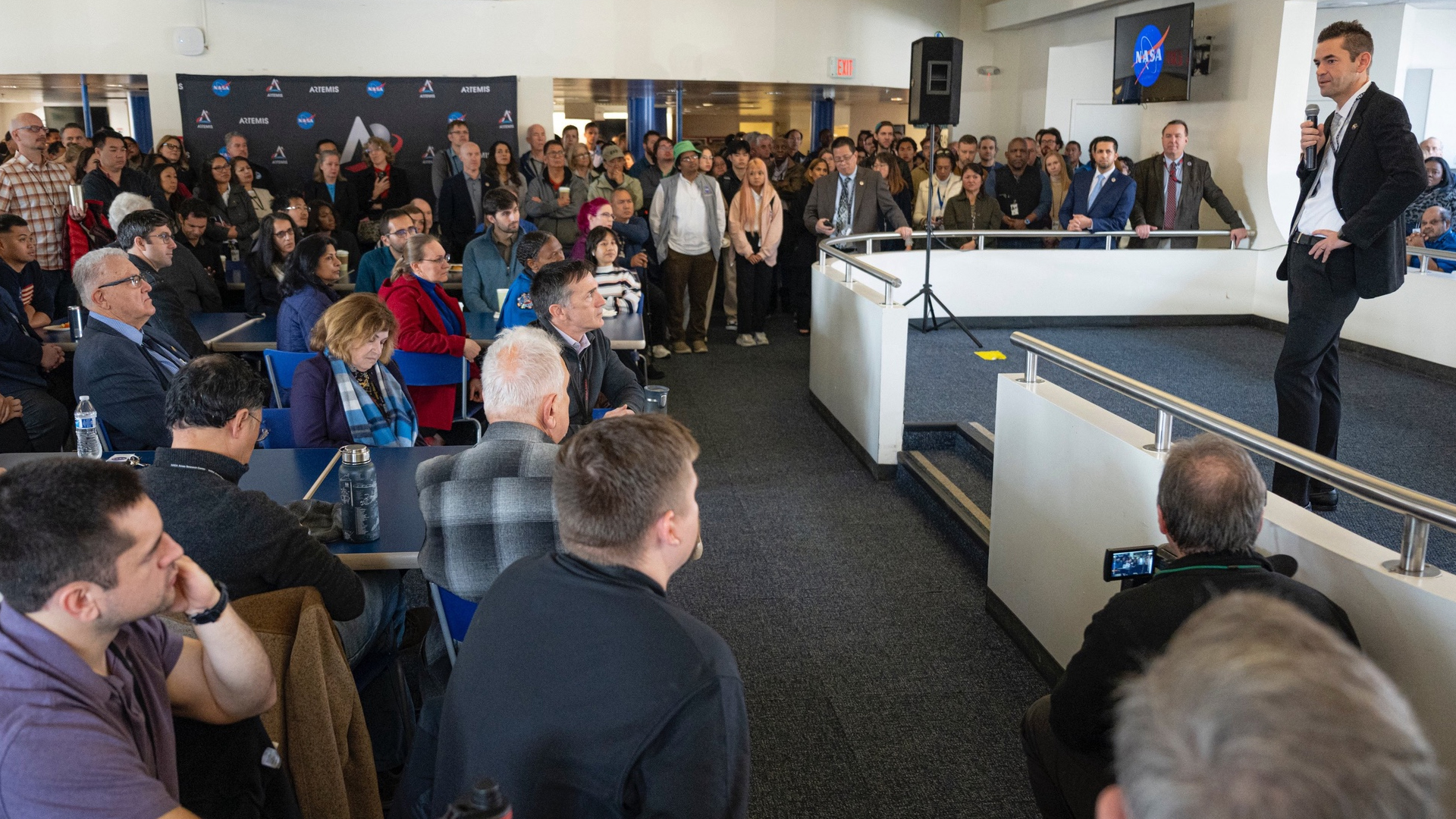
NASA is taking steps to rebuild its internal workforce and reduce dependence on outside contractors, a move officials say is essential for long-term mission success. Over the past year, the agency has lost roughly 20% of its civil servant staff, largely through voluntary departures and buyouts, leaving critical roles in engineering, technical operations, and mission support under pressure.
Administrator Jared Isaacman announced a new workforce strategy designed to restore technical capacity within the agency. “We need to ensure NASA has the in‑house expertise to manage complex projects and respond rapidly to challenges,” he said. The plan prioritizes hiring civil servants for mission-critical functions while continuing to use contractors for specialized or short-term needs.
NASA officials explained that heavy reliance on contractors over the years has increased costs, slowed project timelines, and weakened the agency’s ability to handle technical problems directly. By bringing more work in-house, NASA aims to safeguard core capabilities, maintain technical knowledge, and improve oversight of its programs.
The new strategy includes several key steps: conducting assessments to identify tasks currently outsourced that could be handled internally, boosting recruitment for critical engineering and technical roles, and streamlining onboarding and training processes for new hires. These measures are expected to help NASA rebuild its expertise in areas such as spacecraft engineering, mission operations, and research support.
The announcement comes as the agency faces broader workforce challenges. Thousands of employees have left under voluntary separation programs, part of a trend affecting federal agencies nationwide. While NASA continues to rely on contractors for certain functions, officials emphasize that the agency must retain sufficient in-house talent to manage its ambitious portfolio, from lunar exploration projects to Earth science missions.
Leadership believes the shift will improve mission readiness, reduce long-term costs, and position NASA to meet upcoming challenges without over-relying on external contractors. Officials also highlighted plans to expand training programs and enhance career development opportunities for civil servants, ensuring that the agency remains technically robust and capable of leading future space missions.
Also Read: Trump deletes racist Obama video, refuses to apologise