Bangladesh voted on February 12, 2026, in its first general election since the dramatic 2024 student-led uprising that removed Sheikh Hasina from power. For many citizens, this is a moment of reckoning and renewal.
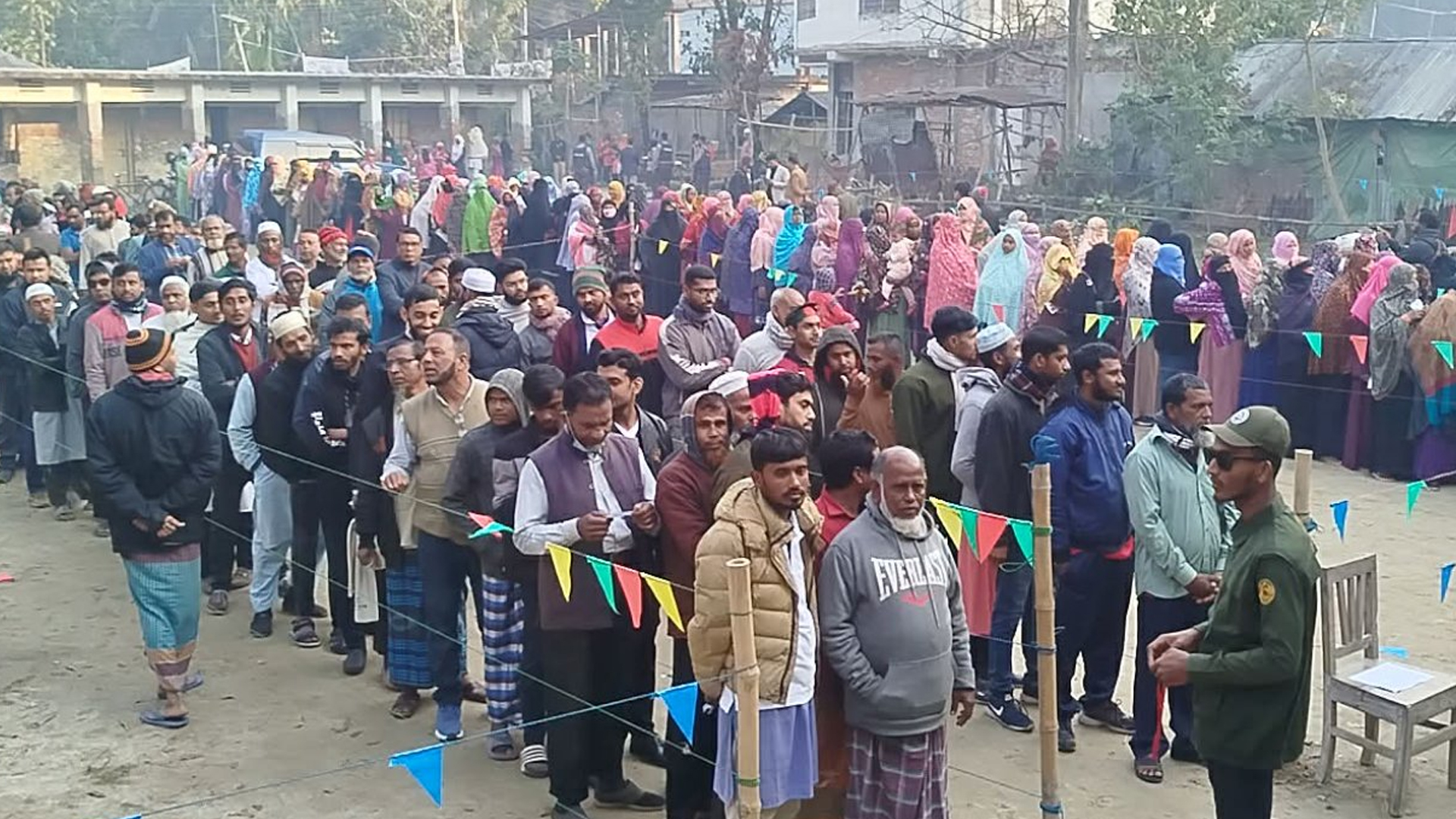
Across Dhaka and small towns alike, voters stood patiently in long queues, some saying they felt they were “voting for the future” rather than a party. Young people, who were at the forefront of the protests two years ago, turned out in significant numbers. Many said they want accountable leadership, employment opportunities and an end to political violence.
The election is being overseen by an interim government led by Nobel laureate Muhammad Yunus, who stepped in after the uprising to guide the country through transition. Yunus has positioned himself as a neutral caretaker focused on restoring democratic processes. While he is not contesting the election, his credibility is central to public trust in the fairness of the polls.
Security has been tight nationwide, with a strong presence of law enforcement to prevent unrest. Though there have been isolated reports of minor clashes and slow voting in some areas, authorities say the process has largely been peaceful.
Politically, the landscape has shifted dramatically. The Awami League, once dominant under Sheikh Hasina, is absent from the ballot. This has reshaped the contest into a battle primarily between the Bangladesh Nationalist Party (BNP), led by Tarique Rahman, and an alliance that includes Jamaat-e-Islami.
Public opinion appears divided. Some voters see the BNP as a chance for change and institutional reform. Others worry about the growing influence of Islamist forces in mainstream politics. There is also a section of citizens who remain cautious, questioning whether real systemic reform will follow the vote.
Alongside electing lawmakers, voters are also deciding on constitutional reforms aimed at limiting prime ministerial powers and strengthening democratic checks and balances — a direct response to concerns about concentrated authority in the past.
Also Read: Russia backs India’s BRICS security agenda