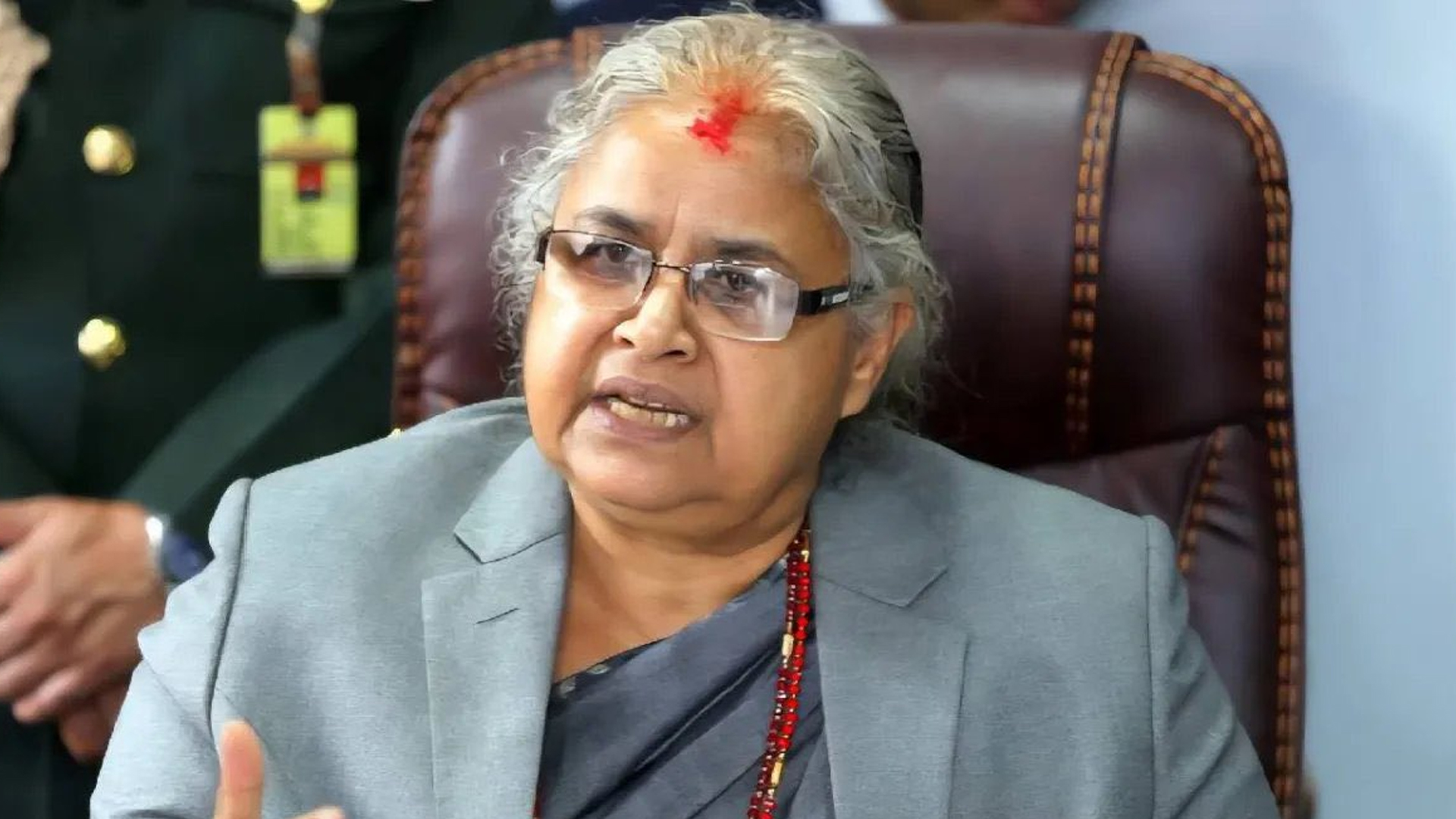
In the wake of unprecedented youth-led protests that have shaken Nepal, former Chief Justice Sushila Karki has emerged as the leading candidate to head an interim government. The protests, sparked by a controversial social media ban and fueled by widespread disillusionment with entrenched political elites, culminated in the resignation of Prime Minister K P Sharma Oli.
The ensuing unrest led to at least 30 deaths and over 1,000 injuries, prompting the military to impose curfews and deploy troops to restore order. The army extended prohibitory orders in three districts of Kathmandu Valley—Kathmandu, Lalitpur, and Bhaktapur—while allowing public movement during specific windows. As of September 11, 2025, curfew orders remain partially in force, though life in the capital region is gradually returning to normal.
The Gen Z-led movement, characterized by its digital savviness and demand for systemic change, has rallied behind Sushila Karki, Nepal’s first female Chief Justice. Known for her integrity and anti-corruption stance, Karki is viewed as a neutral figure capable of leading the country through this turbulent period. Her nomination has been endorsed by various stakeholders, including Kathmandu Mayor Balen Shah, who has also emerged as a prominent youth leader advocating for reform. Shah, a former rapper turned politician, has expressed support for Karki’s candidacy, highlighting the generational shift in Nepal’s political landscape.
The military’s involvement has been pivotal in managing the crisis. Army Chief General Ashok Raj Sigdel engaged in consultations with protest representatives, signaling a willingness to facilitate a peaceful transition. Despite initial tensions, the army’s approach aims to balance maintaining order with supporting democratic processes.
However, divisions within the protest movement persist, with some factions advocating for republican ideals and others favoring a constitutional monarchy. This reflects deeper societal debates about Nepal’s governance and political direction.
Even as troops continue to patrol the streets, the situation remains mostly peaceful in other parts of the country, aside from isolated incidents such as two deaths and several injuries resulting from military gunfire during a thwarted prison escape southeast of Kathmandu. These events underscore the challenges of stabilizing the nation while safeguarding human rights.
The selection of an interim leader is crucial not only for restoring stability but also for addressing the deep-seated issues of corruption and governance that have fueled the protests. Karki’s appointment could represent a turning point for Nepal’s political evolution, potentially opening the door for reforms and renewed public trust in democratic institutions.
As of now, the country stands at a crossroads. The coming days will be critical in determining Nepal’s political trajectory, as leaders and citizens alike seek a path forward in a time of uncertainty. The resolve of the Gen Z movement and the military’s cautious engagement will likely shape the outcome in ways that could redefine Nepal’s future.
Also Read: Govt Waives Public Consultations for Mining of Critical and Atomic Minerals