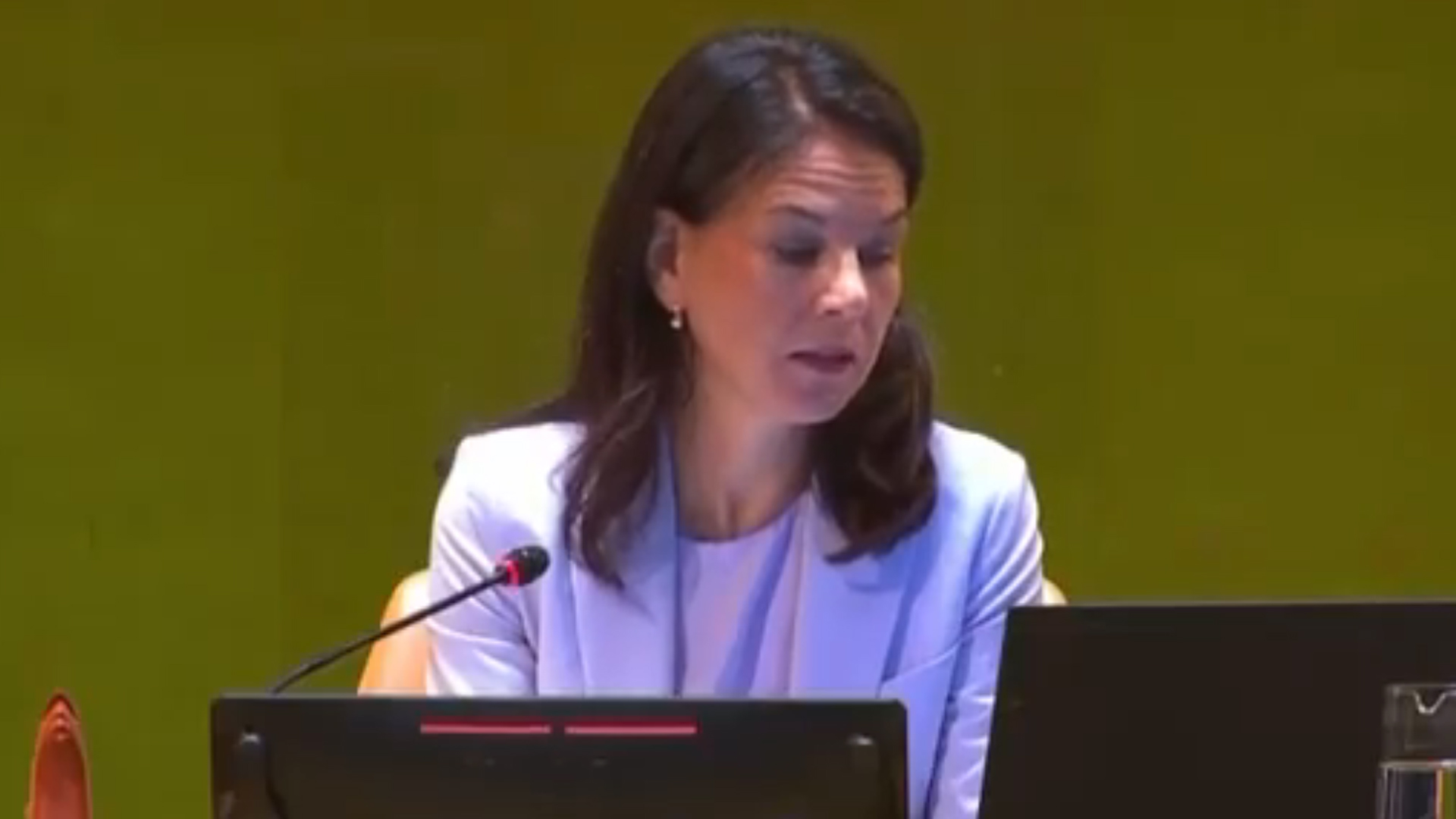
In a significant move at the United Nations, India voted in favor of a resolution endorsing the “New York Declaration,” which calls for the peaceful settlement of the Israeli-Palestinian conflict through a two-state solution. The resolution, introduced by France and Saudi Arabia, was passed with overwhelming support—142 nations voted in favor, 10 against, and 12 abstentions. Among those voting against were Israel, the United States, Argentina, and Hungary.
India’s support for the resolution reflects its long-standing diplomatic position advocating for a just and peaceful resolution to the Palestine issue. For decades, India has backed the creation of a sovereign, viable Palestinian state living in peace alongside Israel. The vote reiterates India’s commitment to international law, human rights, and regional stability, especially at a time when the Middle East conflict continues to threaten peace and security.
Key Points of the New York Declaration
The declaration urges concrete steps to establish two states based on pre-1967 borders and emphasizes ending violence and humanitarian crises in Gaza. It calls on Israel to immediately halt settlement expansions, land grabs, and annexation activities in Palestinian territories, including East Jerusalem. The resolution also stresses the right of the Palestinian people to self-determination and calls for an end to hostilities that have claimed thousands of lives and displaced countless civilians.
The declaration condemns violence from both sides—pointing to the grave human toll on civilians in Gaza, the West Bank, and Israel—and appeals to the global community to ensure robust and time-bound action. The resolution highlights that without decisive measures and international guarantees, the conflict could deepen, undermining regional peace efforts.
Israel’s Opposition and Continuing Challenges
The resolution comes amid growing tensions, as Israeli Prime Minister Benjamin Netanyahu continues to oppose the two-state framework. In a recent development, Netanyahu signed an agreement to push forward the “E1” settlement project, which critics say would fragment Palestinian territories and make the two-state vision unviable. Netanyahu openly rejected the formation of a Palestinian state, stating that the land “belongs to Israel.”
Israel’s stance has been supported by the U.S., which expressed concerns that the resolution would embolden Hamas and complicate peace efforts. However, the European Union has expressed support for the resolution and is exploring measures to hold accountable those involved in settlement activities.
For India, this vote is not merely a diplomatic gesture but a reaffirmation of its principled stance on global justice and peace. With a history of solidarity with the Palestinian cause and strong bilateral relations with Israel, India’s balanced approach is aimed at fostering dialogue rather than confrontation. The vote comes at a time when rising extremism and geopolitical instability threaten not only the Middle East but also broader global security—including energy supplies and trade routes vital to India’s economy.
By supporting the resolution, India has aligned itself with a global call for humanitarian intervention and peaceful resolution, while also underscoring its desire to maintain constructive engagement with both Palestine and Israel.
The resolution’s adoption is a step toward encouraging dialogue and reducing violence, but it also exposes the complexity of the conflict. With Israel continuing settlement expansion and rejecting negotiations, achieving a two-state solution will require sustained international pressure and diplomatic persistence. For India, the challenge lies in balancing strategic interests with moral commitments, ensuring that its voice continues to promote peace, stability, and human dignity on the global stage.
This development is expected to influence India’s foreign policy engagements in West Asia and shape its partnerships on broader issues like counter-terrorism, energy security, and humanitarian cooperation. The coming months will be crucial in assessing whether this resolution translates into tangible action—or remains a symbolic statement amid deep-rooted challenges.