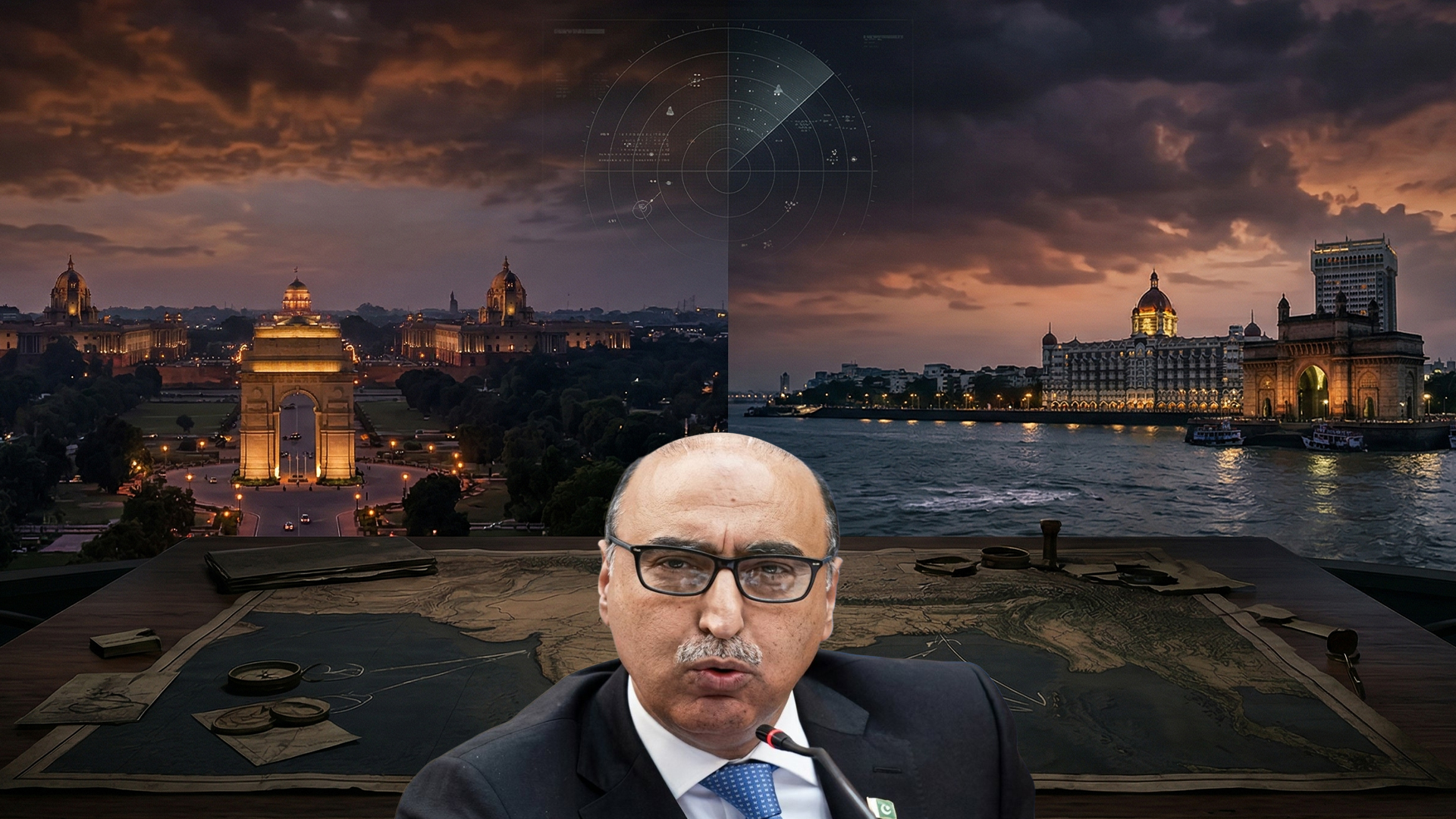
A statement by former Pakistan High Commissioner to India, Abdul Basit, has sparked controversy after he suggested that Indian cities could be targeted in a conflict scenario.
Speaking during a televised discussion, Basit referred to a hypothetical situation in which the United States launches an attack on Pakistan, particularly its nuclear facilities. He said that if Pakistan is unable to directly retaliate against a distant country like the US, it may consider striking nearer targets, including cities such as New Delhi and Mumbai.
The remarks quickly gained attention and triggered strong reactions in India, with many calling them provocative and irresponsible. Critics argued that even in a hypothetical context, such statements from a former senior diplomat can raise serious concerns about regional security and stability.
Basit reportedly indicated that India could become a “default” option for retaliation due to geographical proximity and existing tensions between the two countries. His comments have been widely circulated online, further fuelling public debate.
Political leaders in India reacted sharply, condemning the statement and describing it as dangerous rhetoric. Some said the remarks reflect a troubling mindset and warned that such comments could worsen already strained relations between the two neighbours.
The controversy comes at a time when global geopolitical tensions are already high, making such statements more sensitive. Analysts point out that comments involving potential military action, especially between nuclear-armed countries like India and Pakistan, can have serious implications even if they are made in a speculative setting.
Basit, who served as Pakistan’s envoy to India between 2014 and 2017, has held key diplomatic positions in the past. This has added weight to his remarks and contributed to the strong response they have received.
While there has been no official response from the Pakistani government, the episode has once again highlighted the fragility of relations in South Asia and the risks posed by inflammatory statements.
The incident has reignited discussions on the need for responsible communication, particularly from individuals who have held important diplomatic roles, given the potential impact on regional peace and security.
Also Read: Opposition, activists oppose Transgender Bill changes