India has stepped up its response to the escalating West Asia crisis, with Prime Minister Narendra Modi warning of prolonged economic and strategic disruptions and the Centre moving to strengthen preparedness.
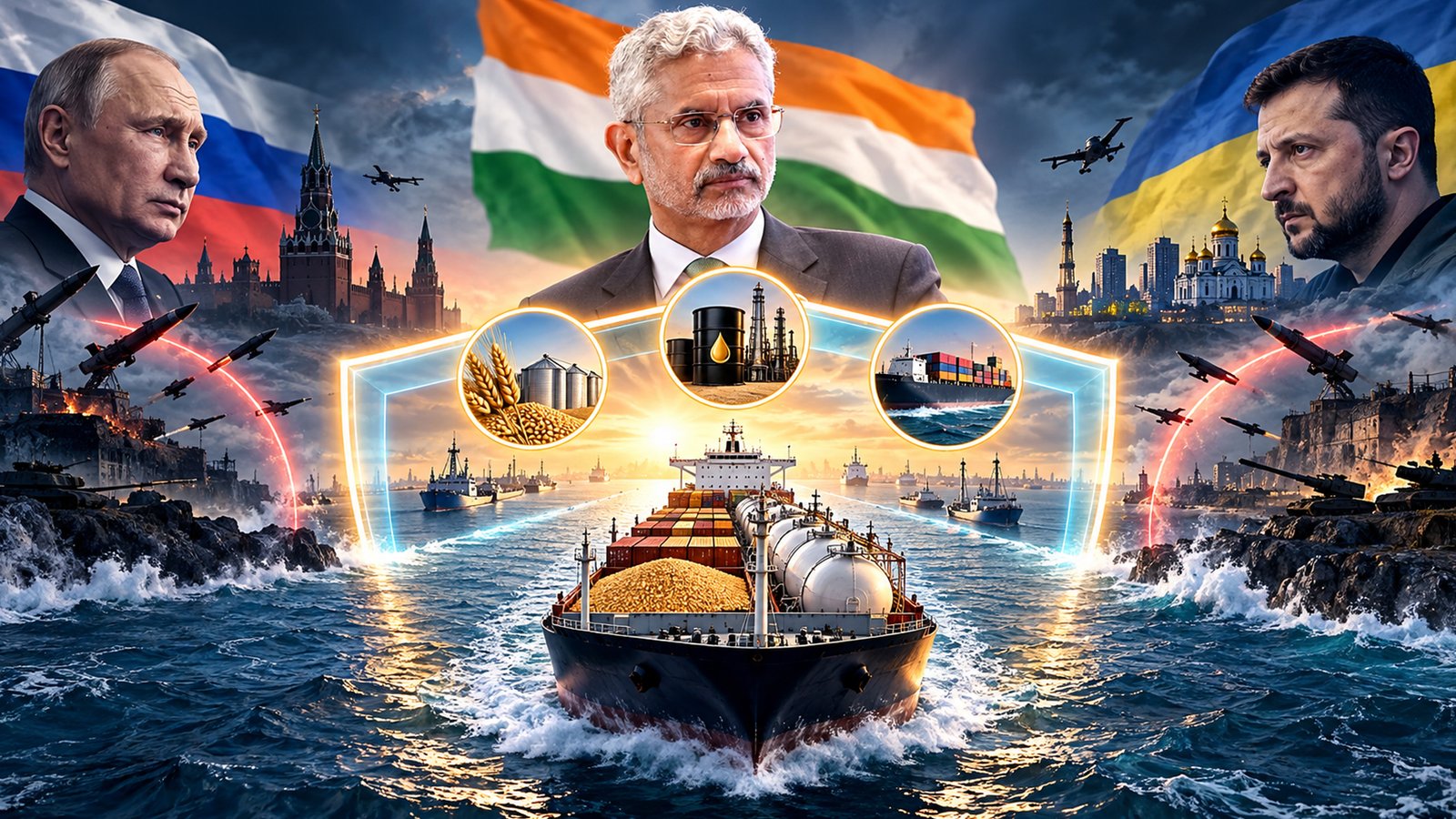
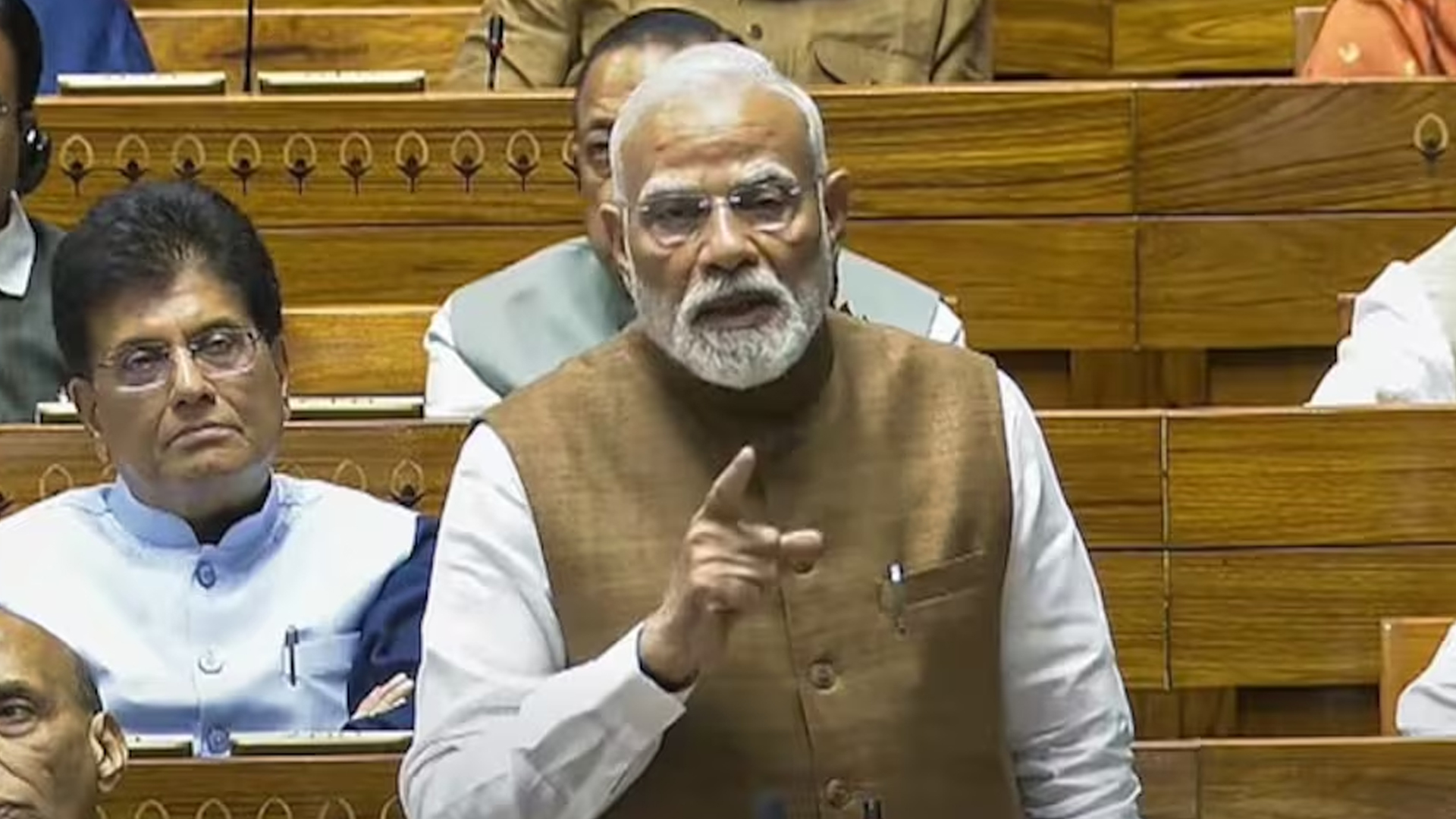
Speaking in the Rajya Sabha, Modi cautioned that the conflict could have lasting global consequences, particularly affecting energy supplies and key trade routes. He said disruptions in oil, gas and fertiliser supply chains may impact India’s economy, calling for coordinated efforts between the Centre and states to manage the situation effectively.
The Prime Minister noted that India is diversifying its energy sources and maintaining adequate reserves to ensure stability. However, he acknowledged that the evolving geopolitical tensions pose serious challenges and could test the country’s resilience in the coming months.
In a bid to build political consensus, the government has convened an all-party meeting to brief leaders on the situation and discuss possible responses. The meeting is expected to focus on managing risks such as rising fuel prices and supply chain disruptions.
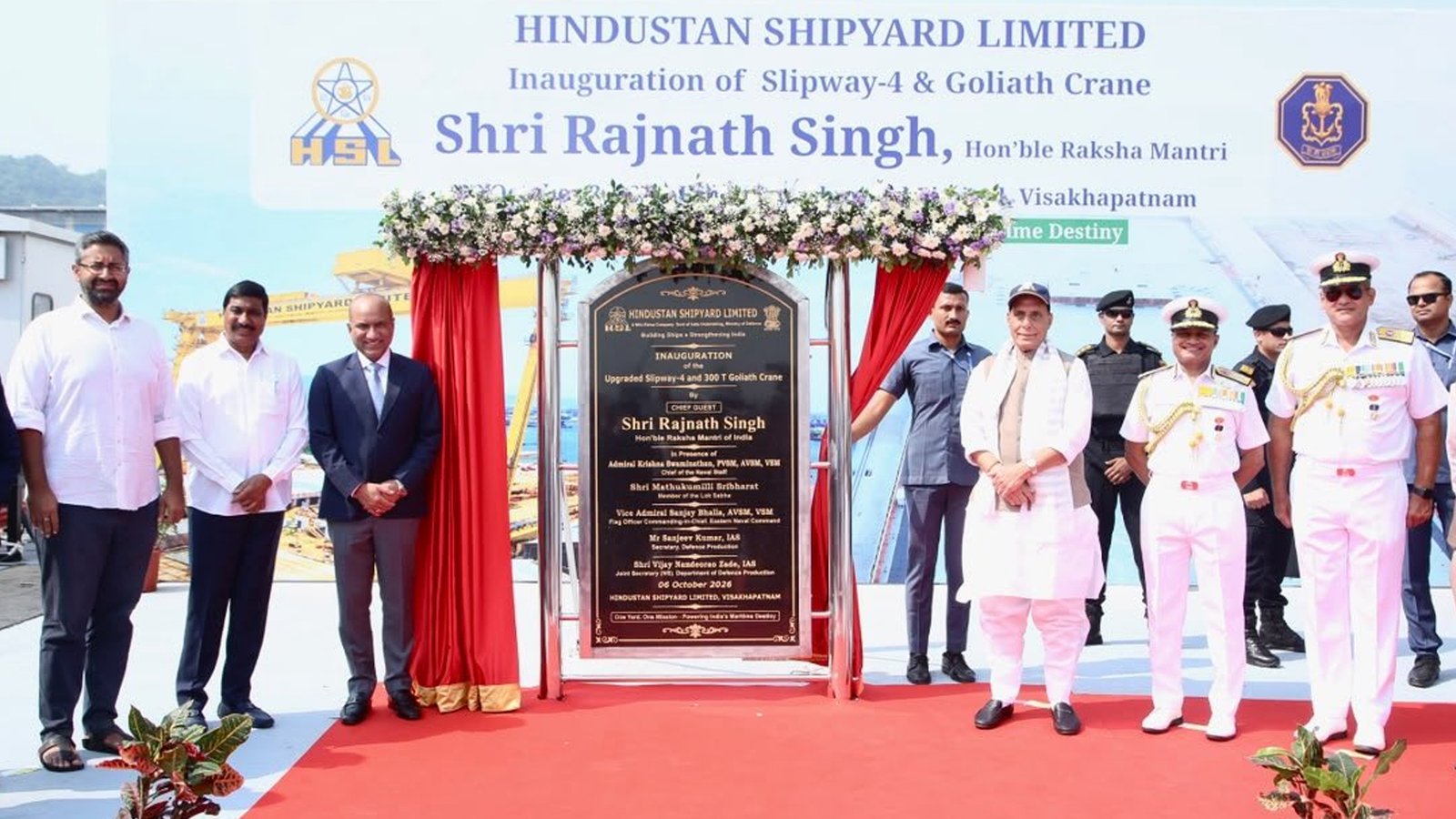
Meanwhile, Defence Minister Rajnath Singh has reviewed the security implications of the crisis with senior officials. He stressed the need to draw lessons from the ongoing conflict to strengthen India’s defence preparedness and strategic planning.
Singh also warned that a prolonged conflict could trigger wider global instability, especially impacting energy and fertiliser supplies—both critical for India’s economy and agriculture sector.
The government has initiated multiple measures to assess and mitigate the impact of the crisis across key sectors, including energy, trade and essential commodities. These steps reflect a proactive approach to safeguard national interests amid growing uncertainty.
Also Read: Rupee weakens 20 paise to 93.76