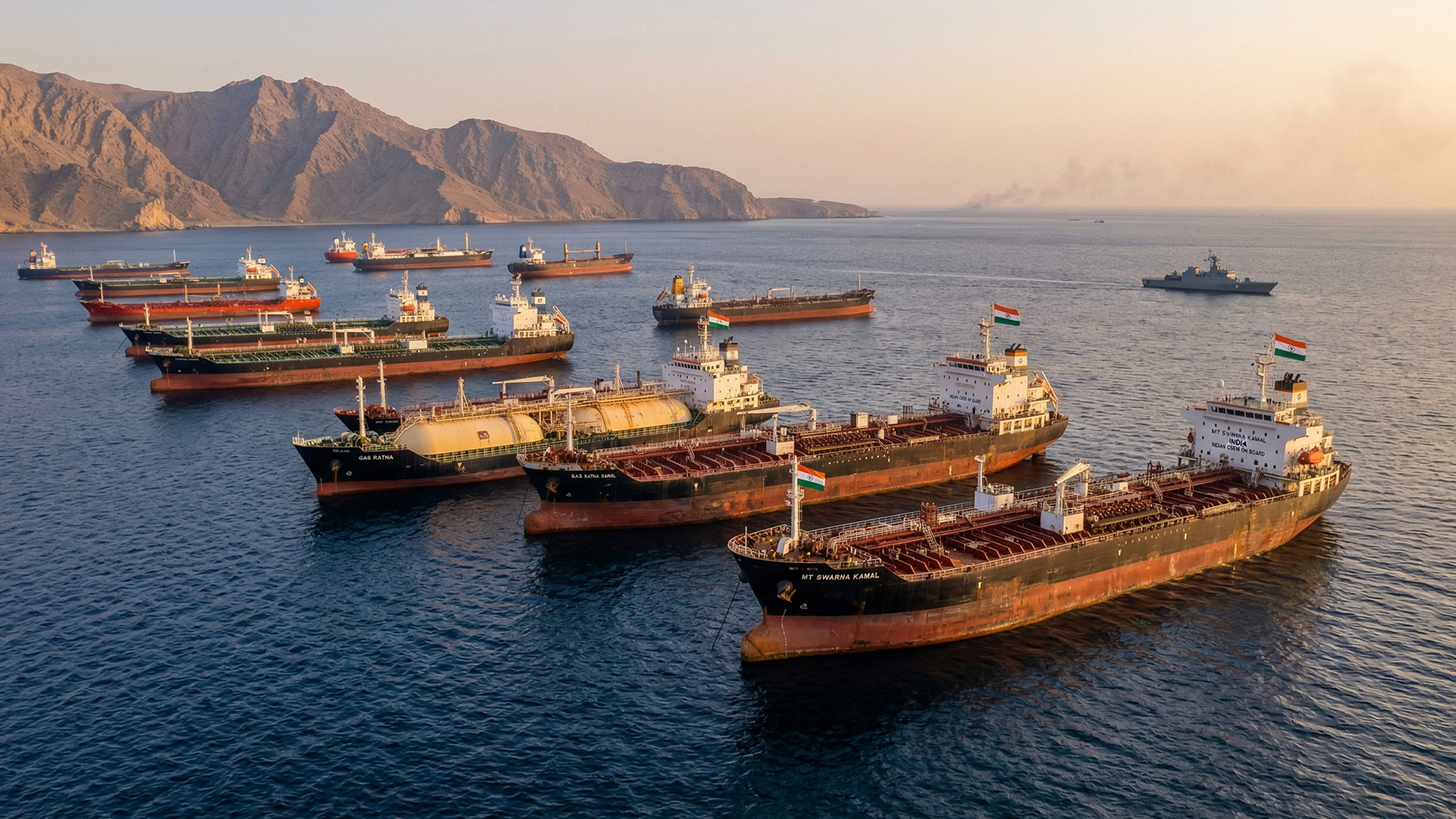
The United States has announced plans to regain control of the Strait of Hormuz, one of the world’s most strategically important maritime chokepoints, Treasury Secretary Scott Bessent said this week. The strait connects the Persian Gulf to the Gulf of Oman and carries roughly one‑fifth of global seaborne oil exports, making its security critical for energy markets.
Bessent stressed that while the US intends to ensure long-term control and secure freedom of navigation, the global oil market remains well supplied, and commercial shipping continues, albeit cautiously. In recent days, individual countries have negotiated temporary agreements with Iran to allow their vessels to pass safely through the strait, helping maintain trade flows.
Speaking in an interview, Bessent outlined the US plan to gradually restore normal transit, including potential naval escorts for commercial shipping. He said the goal is to provide reliable, secure passage for cargo and energy shipments, reducing uncertainty for global markets. “We are seeing more and more ships move through the strait daily as countries reach agreements with the Iranian regime,” he said.
The announcement comes amid heightened tensions in the region. Disruptions to the strait can have major consequences for international trade and oil prices, as it is one of the busiest maritime routes for crude oil. The US administration has framed its actions as both a security and economic measure, ensuring that shipping lanes remain open while applying diplomatic and military pressure in the region.
While specific timelines and operational details for the planned control and escorts have not been disclosed, officials indicated that efforts will be coordinated carefully to avoid escalation.
Also Read: Iran alleges US struck India-bound aid plane