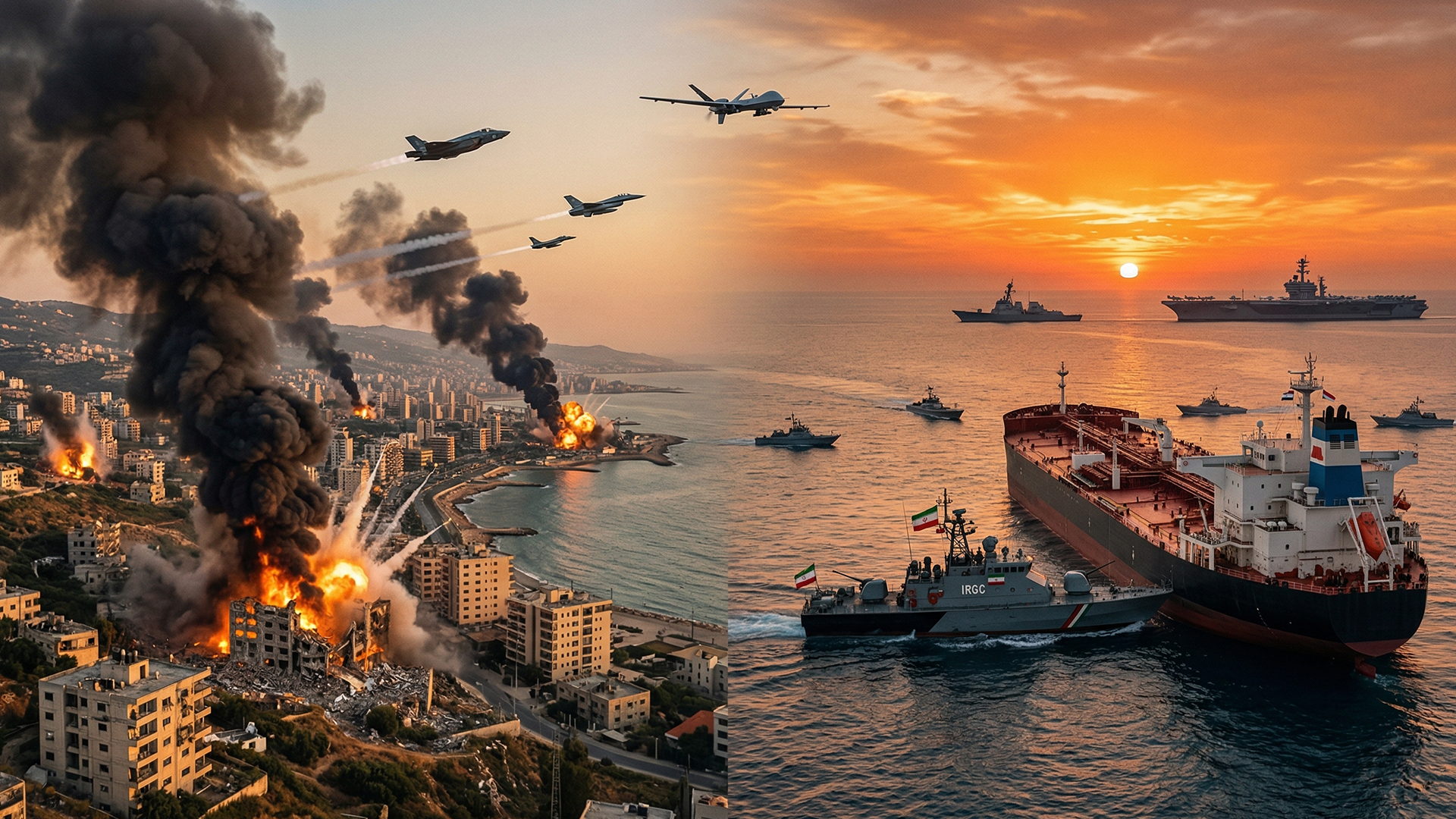
A temporary ceasefire in West Asia is already showing signs of breaking down, as new attacks and rising tensions threaten to undo the fragile calm.
The truce between Iran and the United States had raised hopes of a pause in hostilities. But the situation quickly escalated after Israel carried out fresh airstrikes in Lebanon, targeting areas linked to Hezbollah.
The strikes caused heavy casualties and widespread damage, marking one of the most intense phases of fighting in recent days. The escalation has added pressure on an already fragile agreement that was meant to reduce tensions across the region.
In a major move, Iran responded by shutting down the Strait of Hormuz, a vital global shipping route through which a significant portion of the world’s oil is transported. The closure has disrupted maritime traffic and raised concerns about global energy supplies and rising oil prices.
Iran has blamed the US for failing to ensure that its allies respect the ceasefire. However, Washington and Israel have maintained that the truce does not cover operations in Lebanon, exposing a key disagreement that is now driving the crisis.
The situation remains tense, with Iran warning it may step away from the ceasefire if the strikes continue. At the same time, there are fears that further restrictions in the Strait of Hormuz could have wider economic consequences, affecting global markets.
World leaders have urged all sides to show restraint and prevent the conflict from escalating further. Diplomatic efforts are underway to salvage the ceasefire, but progress remains uncertain.
Also Read: RBI maintains 5.25% Repo rate, signals caution