With West Bengal preparing for Assembly elections, the Election Commission has introduced strict restrictions on motorcycles and public movement in several constituencies to prevent violence and ensure peaceful voting. While officials say the measures are necessary, many residents have expressed concern over the impact on their daily routines.
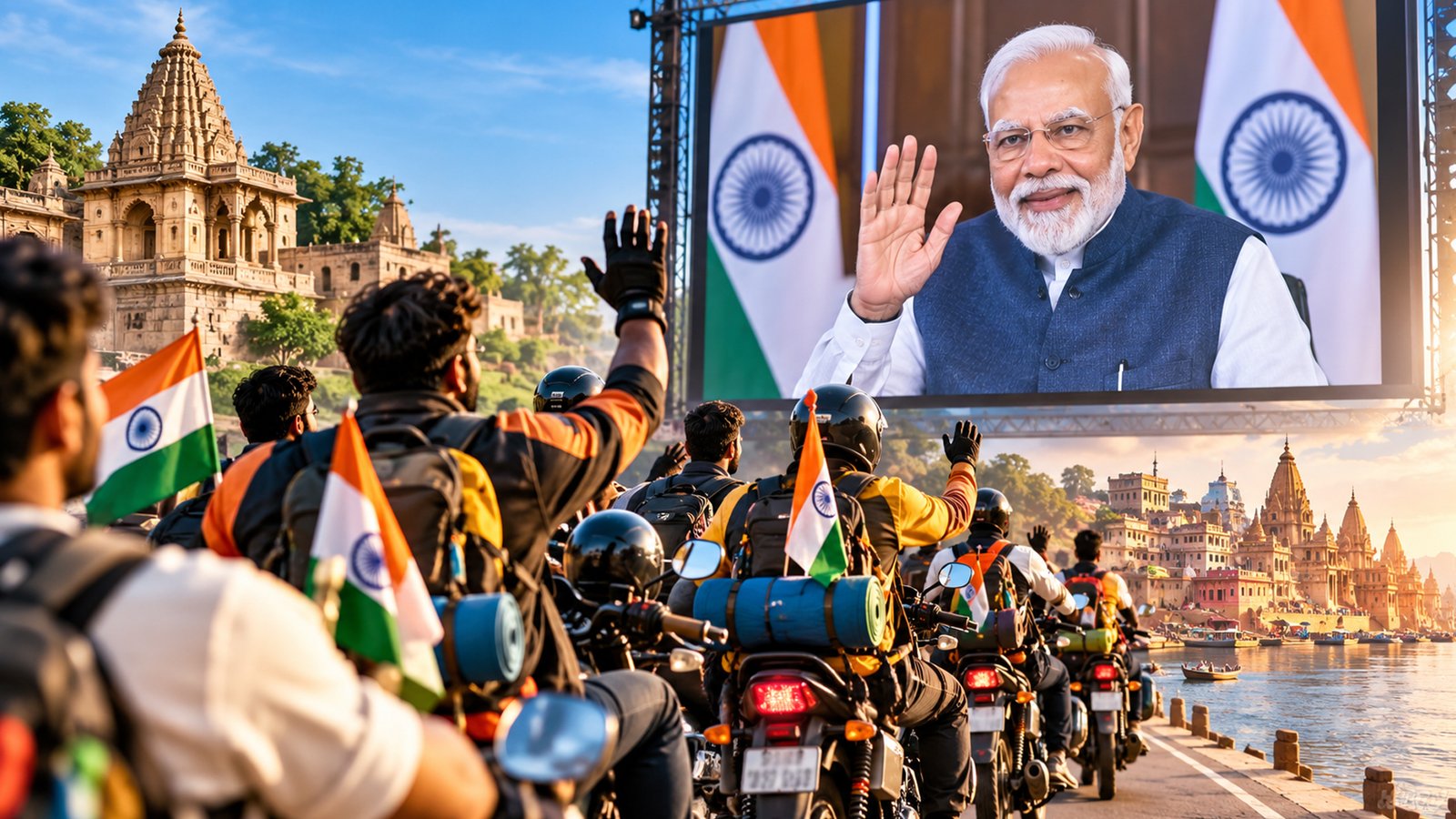
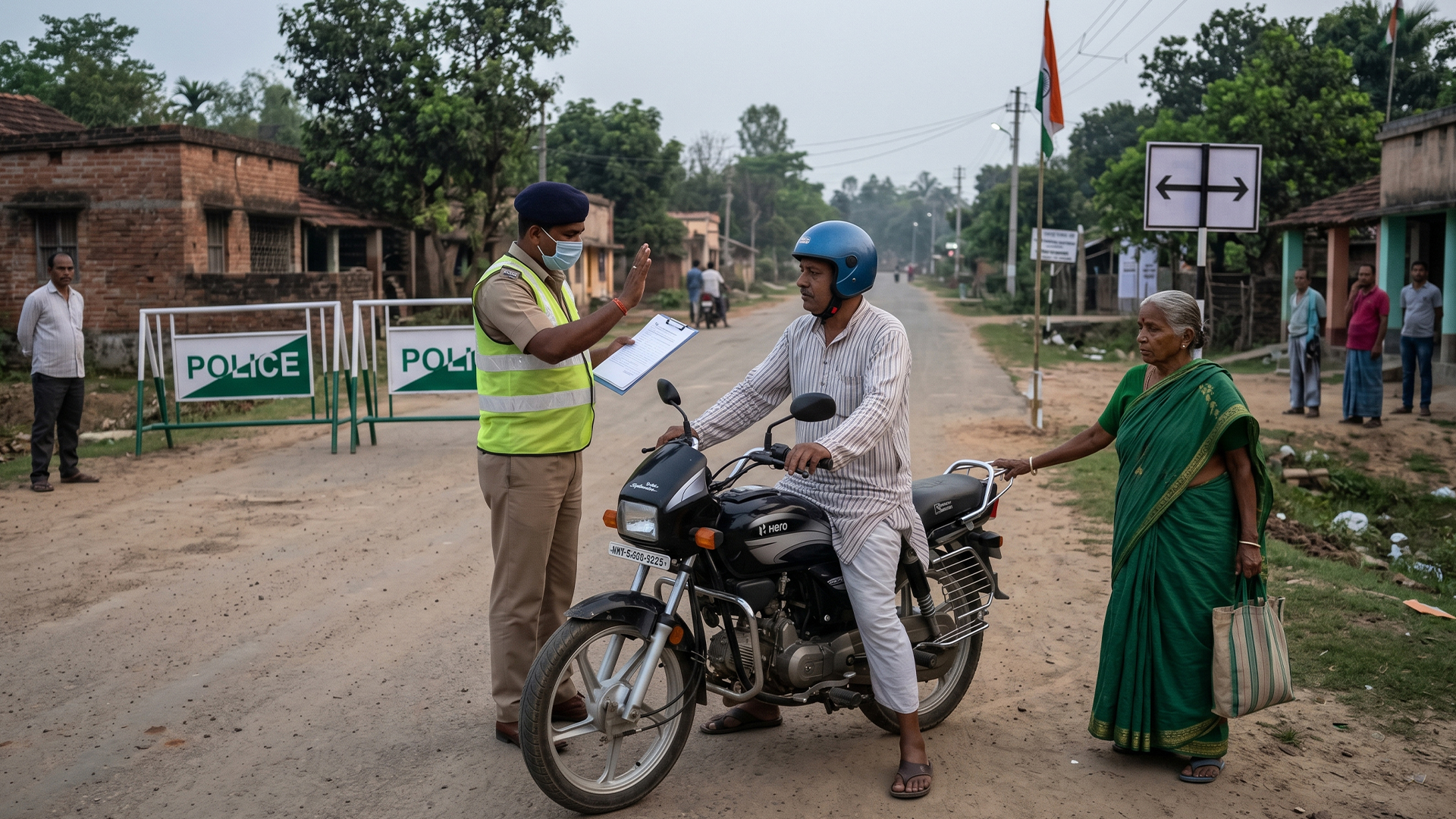
Under the new rules, motorcycles and scooters will face movement restrictions beginning two days before polling in areas going to vote in the first phase. Night-time movement of two-wheelers has been banned, while daytime travel with pillion riders will also be restricted except in emergency situations. Political bike rallies have also been prohibited.
Election officials say motorcycles have often been used during past elections for intimidation, transporting troublemakers, and creating unrest. This time, authorities want tighter control to avoid any disturbance and allow voters to cast their ballots freely. Security forces and surveillance teams have also been deployed in sensitive areas.
Along with bike curbs, access around polling booths and some housing complexes containing voting centres will be regulated. Officials said the aim is to prevent crowding, maintain order, and make polling stations safer for voters.
However, the restrictions have created anxiety among many people who depend on two-wheelers every day. Delivery workers, gig economy riders, office commuters and small traders say the rules could affect their income and travel plans. In tourist hubs and busy towns, local businesses also worry that reduced movement may hurt trade.
Political reactions have been sharp. Chief Minister Mamata Banerjee criticised the restrictions, saying they place an unnecessary burden on poor and working-class people who rely on bikes for work and family needs. Opposition parties, however, said strong preventive steps are needed in a state where elections have often seen clashes.
Also Read: Fresh clashes deepen tension in Manipur