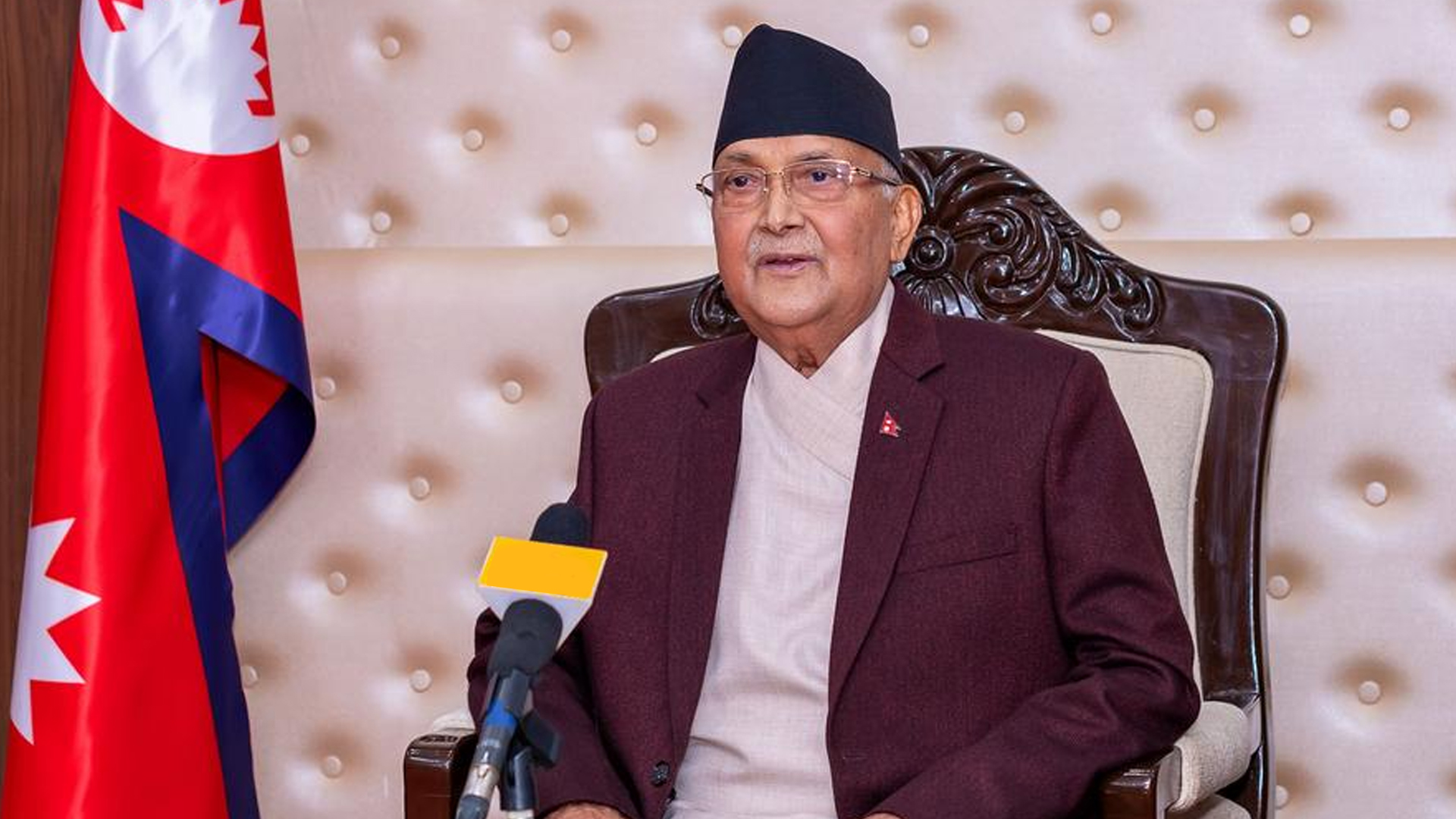
Nepal has imposed travel restrictions on former Prime Minister K.P. Sharma Oli and four senior officials as part of an investigation into the violent unrest that rocked the country earlier this month, Interior Minister Om Prakash Aryal said on Monday.
The restrictions, recommended by a commission set up to probe the violence, came into effect immediately. Commission member Bigyan Raj Sharma stated that the five men must obtain permission to leave the Kathmandu Valley, as they “may need to appear for investigation at any time.” The officials affected include former Home Minister Ramesh Lekhak, former Head of the National Investigation Department Hutaraj Thapa, and two other senior bureaucrats.
The unrest began on September 8, 2025, with youth-led protests triggered by a brief social media ban, economic hardship, and allegations of corruption. The protests escalated quickly into nationwide demonstrations following a violent crackdown. Over two days of clashes, at least 73 people were killed, and several government buildings, including Parliament and administrative offices, were burned down. The unrest contributed to the collapse of the sitting government.
Interim Prime Minister Sushila Karki, who has been leading the country since the collapse, announced the formation of a commission to investigate the incidents. The commission recommended the travel restrictions on September 28, citing the need for the former officials to be available for questioning.
The unrest also caused significant disruption to Nepal’s economy. The Federation of Nepalese Chambers of Commerce and Industry (FNCCI) estimated that private sector losses, including damage to the automobile, hotel, and retail sectors, reached approximately $600 million.
Former Prime Minister Oli, who was ousted amid the crisis, has attributed the violence to “infiltrators” and suggested that weapons used during the protests came from outside sources. He has denied direct responsibility for the unrest and called for a thorough investigation to identify those behind the bloodshed.
Authorities have warned that the travel restrictions are not temporary precautions but are part of an ongoing effort to ensure accountability and facilitate the investigation. The Interior Ministry emphasized that the five officials may face summons at short notice and must remain within the jurisdiction of the Kathmandu Valley unless formally permitted to travel.
The protests reflected deep-seated frustration among Nepal’s younger population. Analysts note that the combination of social media restrictions, economic grievances, and perceptions of corruption mobilized Gen Z protesters in a movement that quickly gained nationwide momentum.
Following the unrest, the government faced the challenge of maintaining order while respecting the democratic rights of citizens. The interim administration has expressed commitment to holding elections as scheduled in March 2026 and restoring stability in the country.
While the immediate focus is on investigating the recent violence, authorities are also addressing the broader social and economic consequences of the unrest. Security measures remain heightened in major cities, and several investigations are ongoing into how weapons and resources may have contributed to the scale of the protests.
The travel bans signal the government’s intent to involve senior former officials in the probe and ensure that accountability measures cover both political and bureaucratic leadership during the crisis. Officials and observers are closely monitoring developments as Nepal prepares for its next national elections, which are expected to be critical in shaping the country’s democratic transition and governance structures.
Also Read: India Clinches 9th Asia Cup 2025 Title Amid Controversy