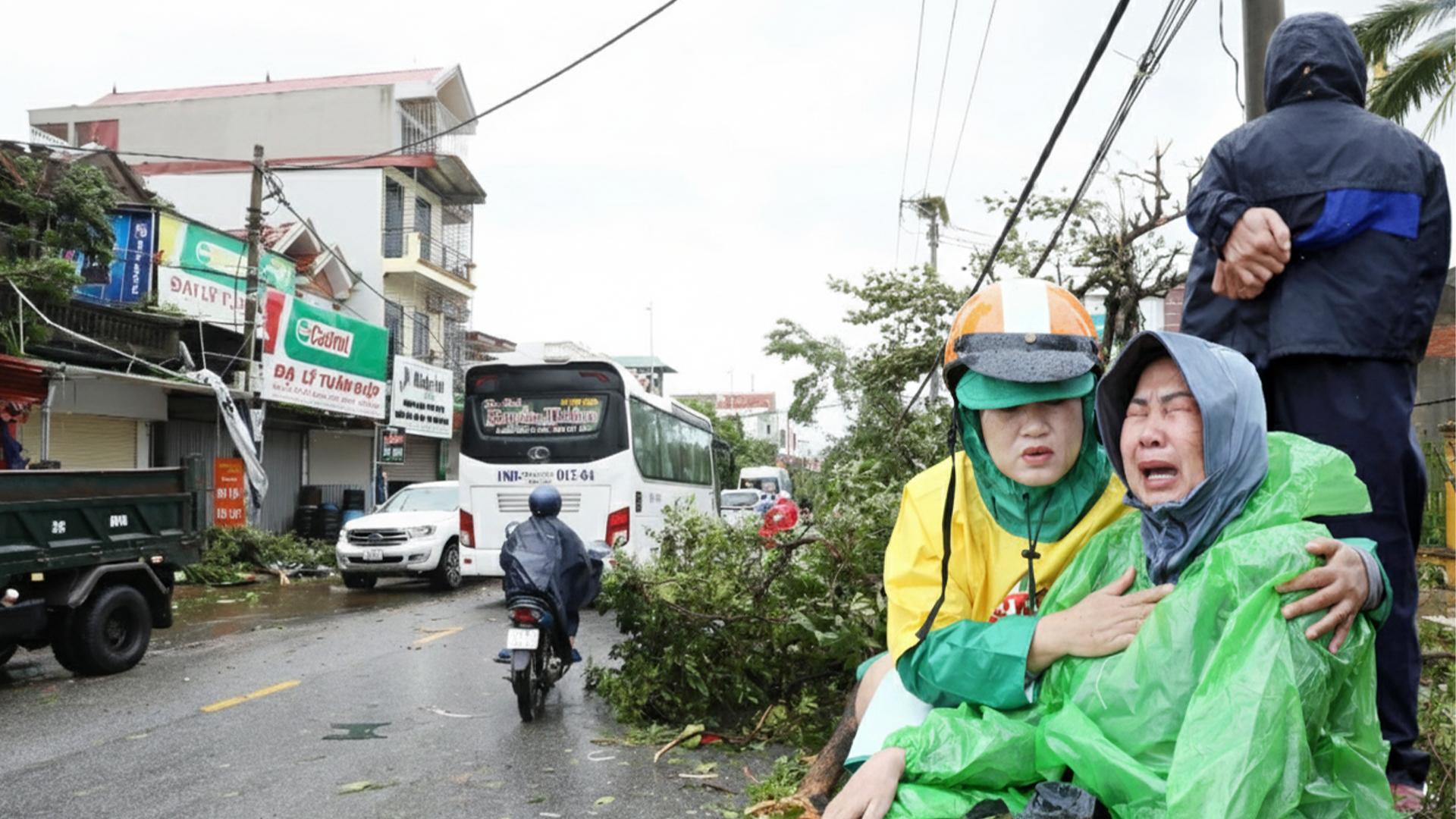
Typhoon Bualoi slammed into central Vietnam on September 29, leaving at least 11 people dead, 13 missing, and dozens injured as fierce winds and torrential rains swept across multiple provinces. The storm caused widespread destruction, prompting Prime Minister Pham Minh Chinh to order swift recovery efforts and emergency support.
With wind speeds up to 117 km/h and waves reaching eight meters, Bualoi struck provinces including Ha Tinh, Quang Tri, Ninh Binh, and Thanh Hoa. Among the missing are 17 fishermen caught in rough seas off Quang Tri, with one boat losing contact entirely. Casualties were also reported due to flooding and fallen trees.
By midday, authorities recorded 11 deaths, 33 injuries, and significant property losses. In Ha Tinh alone, over 42,000 homes, 167 schools, and 12 medical facilities were damaged. Nearly 1,400 hectares of crops and aquaculture areas were flooded.
The Prime Minister extended condolences to affected families and directed local authorities to prioritize search and rescue operations. He also ordered free medical treatment for the injured and funeral assistance for the deceased. Defense and public security forces have been deployed to support recovery and restore essential infrastructure.
Bualoi weakened to a tropical depression as it moved into Laos by the afternoon, but continued to bring heavy rains to northern Vietnam, raising the risk of floods and landslides.
Over 28,500 people were evacuated before landfall. With its long coastline, Vietnam remains highly vulnerable to destructive typhoons during storm season.