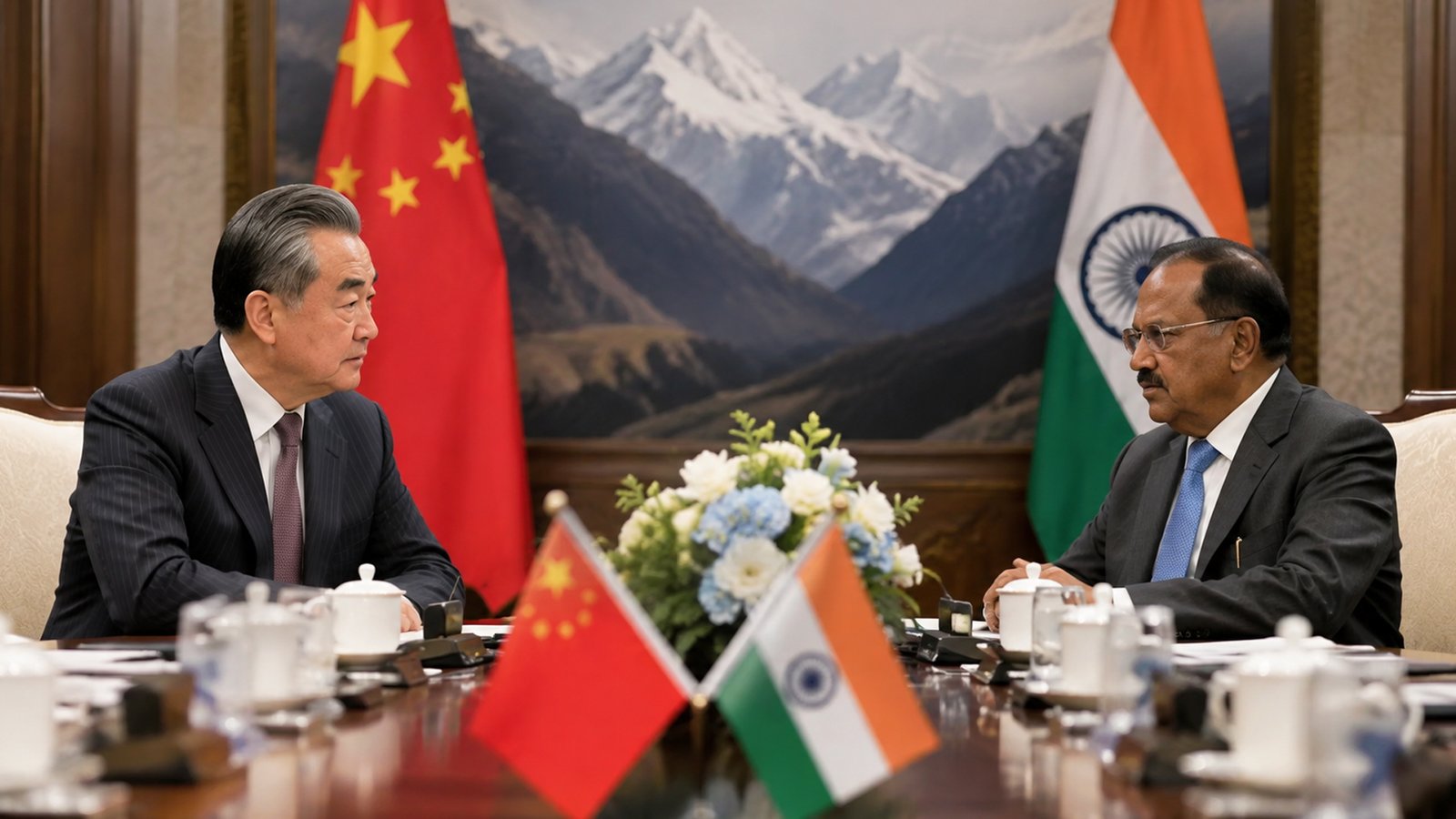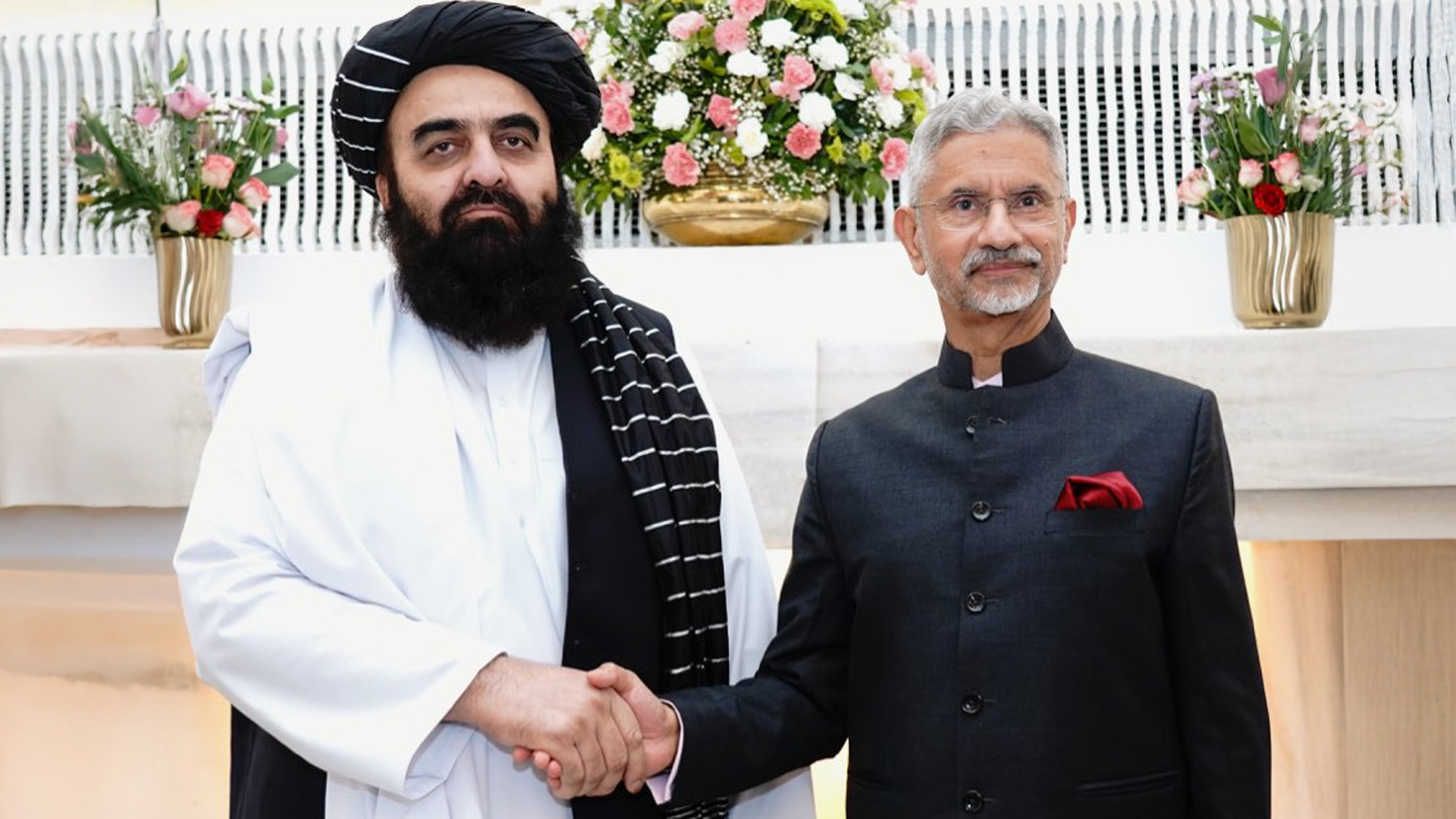
In a major shift in its Afghanistan policy, India announced Friday that it will upgrade its existing “technical mission” in Kabul into a full-fledged Indian embassy, signaling a deliberate move toward normalising diplomatic ties with the Taliban-ruled regime. The decision was made during the first face-to-face meeting between External Affairs Minister S. Jaishankar and Afghanistan’s Foreign Minister Amir Khan Muttaqi.
Speaking at a joint press briefing, Jaishankar described the upgrade as a “first step” toward deeper engagement and said the visit “marks an important step in advancing our ties and affirming the enduring friendship between India and Afghanistan.” He reiterated India’s commitment to Afghanistan’s sovereignty and territorial integrity.
India had shut down its embassy in Kabul in 2021 after the Taliban seized power following the drawdown of U.S.-led NATO forces. In the months that followed, New Delhi established a limited technical mission to oversee humanitarian assistance and trade facilitation.
In his opening remarks, Jaishankar recalled previous telephonic contacts with Muttaqi, especially in response to the Pahalgam terror attack and recent earthquakes in Afghanistan, but said the in-person dialogue offered “special value” to exchange perspectives and align on development priorities. He underscored India’s interest in completing and maintaining infrastructure projects in Afghanistan and expressed readiness to initiate six new lines of cooperation. Among the assistance promised were 20 ambulances (five handed over symbolically), MRI and CT scan machines, vaccines, cancer medicines, and rescue or rehabilitation aid following the recent Kunar earthquake.
Jaishankar also addressed security concerns, stating that “cross-border terrorism” remains a shared threat and that India would appreciate the Taliban’s sensitivity toward India’s security challenges. He welcomed Muttaqi’s solidarity following the Pahalgam terror incident. On trade and connectivity, Jaishankar noted Afghan interest in mining, sustainable water management, and enhancing air and people-to-people linkages.
In response, Foreign Minister Muttaqi characterised India as “a close friend” and affirmed Afghanistan’s desire for relations grounded in mutual respect. He pledged that his government would not allow any group to use Afghan soil against others and called for a consultative mechanism to strengthen bilateral ties.
Muttaqi’s visit is the first by a Taliban foreign minister to India since 2021, made possible after the UN Security Council temporarily lifted his travel ban. During the trip, he is expected to travel to Agra and Deoband, meet Afghan communities and businesses, and further outreach with Indian stakeholders.
Observers see India’s move as part of a broader recalibration in its regional approach, balancing principles with pragmatism. While New Delhi has not formally recognised the Taliban regime, the decision to reopen an embassy signals deeper engagement that could reshape its influence in Afghanistan and the wider region.
India’s diplomatic shift does not come without domestic and international scrutiny, especially around human rights, women’s rights under Taliban rule, and the optics of legitimising a government with limited recognition. But New Delhi appears to be positioning its engagement as conditional and calibrated, retaining leverage for influence while meeting humanitarian, security, and developmental imperatives.
Also Read: Venezuelan Opposition Leader Maria Corina Machado Wins Nobel Peace Prize