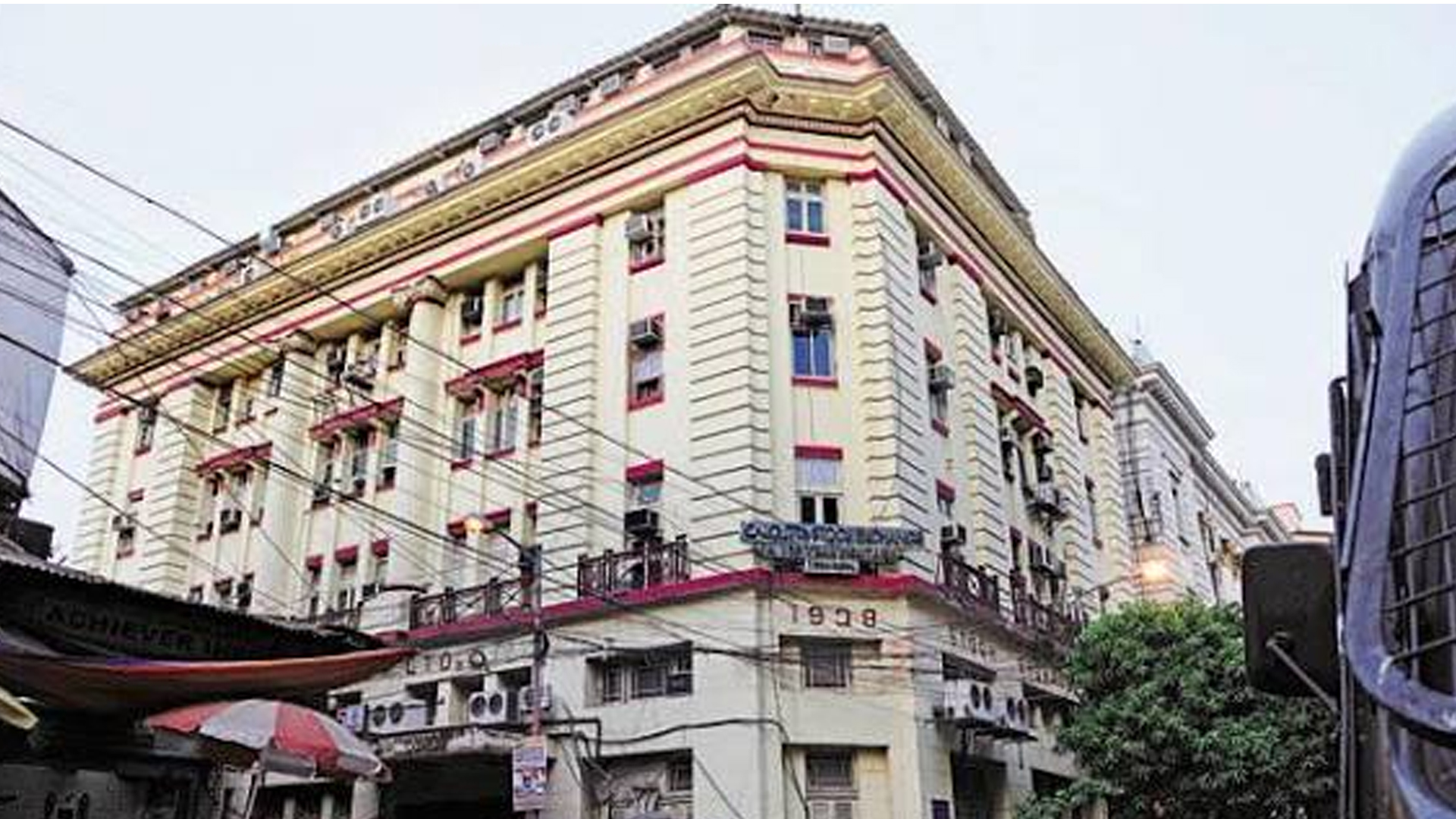
For 117 years, the Calcutta Stock Exchange (CSE) has been a cornerstone of Kolkata’s financial identity. Established in 1908, it was once India’s second-largest bourse, rivaling the Bombay Stock Exchange, and a hub for regional trade and investment. At its peak, the CSE listed over 1,700 companies, handling millions of transactions and nurturing generations of brokers and investors.
Yet, over the past decade, the exchange faced mounting challenges. Trading was suspended in 2013 by SEBI due to regulatory non-compliance, and attempts to revive operations never fully succeeded. In 2024, the board opted for a voluntary exit, a decision ratified by shareholders earlier this year.
Today, as Kolkata celebrates Diwali, the CSE lights its final festive lamps, marking the end of a historic era. While the exchange itself will close, its subsidiary, CSE Capital Markets Pvt Ltd (CCMPL), will continue broking activities on the NSE and BSE, keeping a thread of its legacy alive.
The exchange’s iconic three-acre property on EM Bypass is also set to be sold to the Srijan Group for ₹253 crore, signalling a tangible conclusion to over a century of financial history.
For those on its trading floors, the CSE meant more than numbers, it was a world of ambition, camaraderie, and stories. Brokers fondly recall the rush of ink-stained papers, quick-fire bids, and the thrill of deals struck in seconds.
As Kolkata celebrates this Diwali, the city also pauses to honor a remarkable legacy. The Calcutta Stock Exchange may be closing its doors, but its story of entrepreneurship, resilience, and financial innovation will continue to inspire future generations. In every trader’s memory and in the city’s enduring spirit, the CSE’s century-long impact will shine on, reminding India of Kolkata’s pivotal role in shaping the nation’s financial history.