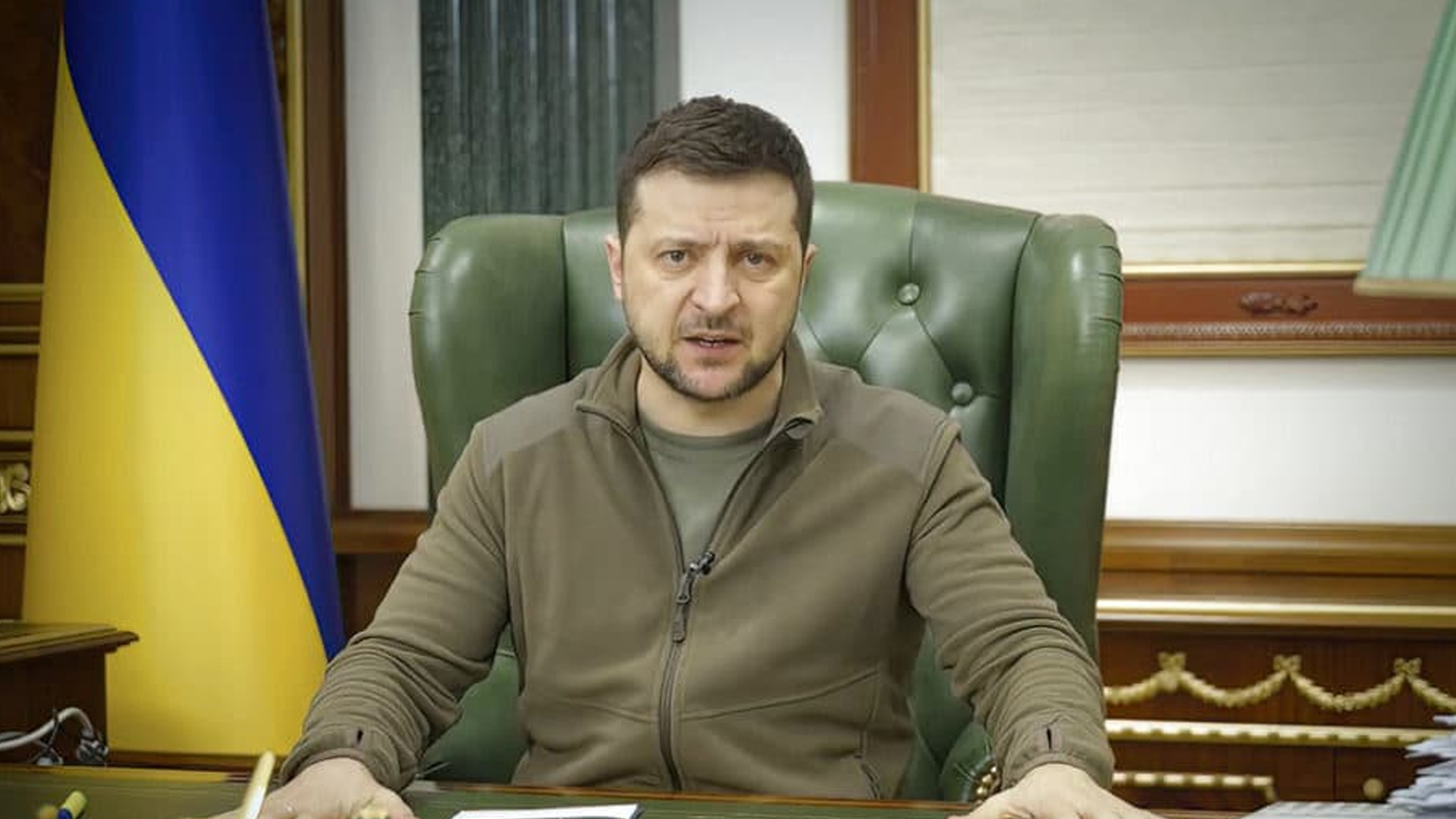
Ukrainian President Volodymyr Zelenskyy will travel to Berlin on Wednesday, August 13, 2025, for talks with German Chancellor Friedrich Merz and other European leaders ahead of the highly anticipated Trump-Putin summit later this week, the German government announced.
Merz has called a series of virtual meetings in an effort to ensure that the voices of European and Ukrainian leaders are heard before a summit from which they have been sidelined. The day will begin with Zelenskyy meeting European leaders to coordinate positions, followed by a virtual call with U.S. President Donald Trump and Vice President J.D. Vance. The final session will bring together leaders from the “coalition of the willing,” countries prepared to help police any eventual peace agreement.
Trump has said he wants to determine whether Russian President Vladimir Putin is serious about ending the war, now in its fourth year. However, his remarks suggesting that Ukraine should give up some Russian-held territory have alarmed Kyiv and European capitals. Trump has also floated the idea of land swaps, though it remains unclear what territory Putin might be willing to surrender.
European leaders and Ukraine fear that Putin, who launched the largest land war in Europe since 1945 and has used Russia’s energy dominance to pressure the EU, could walk away with favorable concessions and shape the framework of a peace deal without their participation. Many in Europe worry that if Putin secures a win in Ukraine, he could next target an EU or NATO member state.
On Tuesday, August 12, Zelenskyy said Putin is demanding that Ukraine withdraw from the remaining 30 percent of Donetsk region still under its control as part of a proposed ceasefire deal — a condition he flatly rejected. Zelenskyy reaffirmed that Ukraine will not cede any territory it currently holds, calling such a move unconstitutional and warning it would simply serve as a launchpad for future Russian aggression.
He also expressed frustration that U.S.-led diplomatic efforts to end the war have not addressed Kyiv’s key demands, which include binding security guarantees to deter future Russian attacks and the formal inclusion of European countries in the negotiation process.
Just three weeks after returning to office, the Trump administration removed the prospect of Ukraine joining NATO — a longstanding demand from Putin — and signaled that the EU and Ukraine would need to take primary responsibility for European security while Washington focuses on other priorities.
Trump has further strained relations with NATO allies by pressuring them over defense spending and imposing a 5 percent tariff on most EU imports, citing U.S. national security concerns.
Senior EU officials believe Trump may be content with brokering only a ceasefire in Ukraine, viewing it as a step toward his broader geopolitical aims. They suspect he is more interested in recalibrating U.S.-Russia relations, expanding trade with Moscow, and rehabilitating Putin’s international standing than in securing a comprehensive peace that addresses Europe’s long-term security concerns.
As the Berlin talks unfold, both Kyiv and European capitals are bracing for a high-stakes week that could redefine the trajectory of the war — and Europe’s security landscape for years to come.