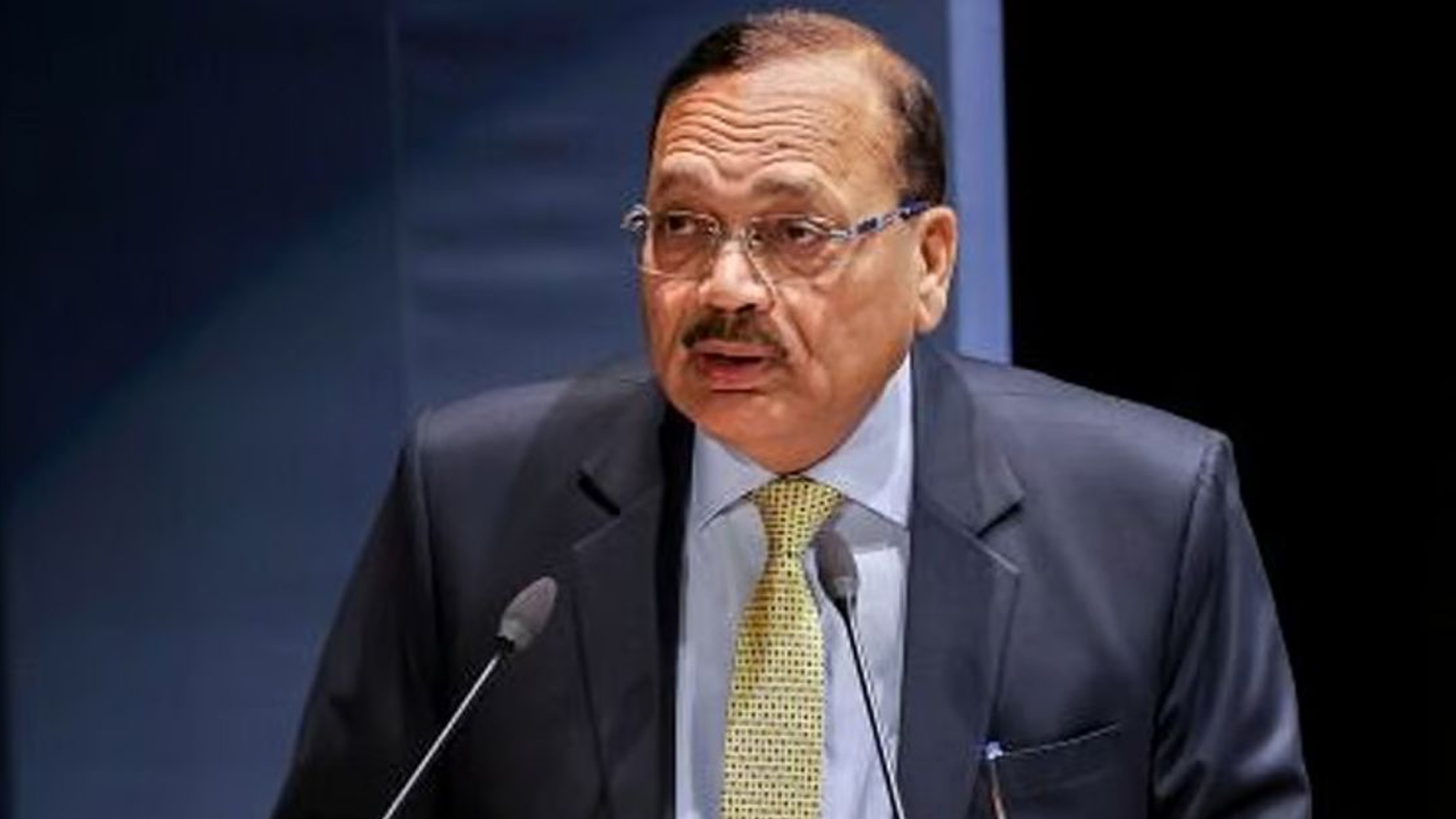
Chief Justice of India Bhushan Ramkrishna Gavai has recommended Justice Surya Kant as his successor, initiating the formal process for the appointment of the 53rd Chief Justice of India. Justice Gavai is set to retire on November 23, 2025, and Justice Surya Kant is expected to assume office the following day, in keeping with the seniority convention. His tenure will continue until February 9, 2027, when he reaches the age of superannuation.
Justice Surya Kant was born on February 10, 1962, in Petwar village in Haryana’s Hisar district. A first-generation lawyer, he completed his graduation from Government Post-Graduate College, Hisar, and earned his law degree from Maharishi Dayanand University in 1984. He later obtained his Master of Laws from Kurukshetra University in 2011. His legal career has spanned several significant roles, including serving as Advocate General of Haryana, Judge of the Punjab & Haryana High Court, and Chief Justice of the Himachal Pradesh High Court. He was elevated to the Supreme Court on May 24, 2019.
Known for his clarity in constitutional interpretation and a jurisprudence shaped by accessibility and empathy, Justice Surya Kant has been part of key rulings relating to free speech, gender equality, state accountability, electoral transparency, and national security. He was on the bench that directed a suspension of the colonial-era sedition law pending review, pressed for disclosure of voter exclusions in Bihar’s electoral rolls, and upheld the One Rank–One Pension scheme for defence forces. He also emphasised that freedom of speech is not a licence to flout societal norms.
As the next Chief Justice, Justice Kant appears ready to take charge at a time when the judiciary continues to confront concerns over pendency of cases, delays in justice delivery, digital exclusion, and institutional transparency. He has himself articulated that the judiciary must evolve to meet challenges such as climate vulnerability, displacement, and technological change. His leadership is expected to focus on maintaining judicial independence while reinforcing public trust in the court system.
The recommendation now awaits formal notification from the government, after which the transition at the country’s highest judicial office will take effect.
Also Read: India Announces Winners of the Rashtriya Vigyan Puraskar 2025