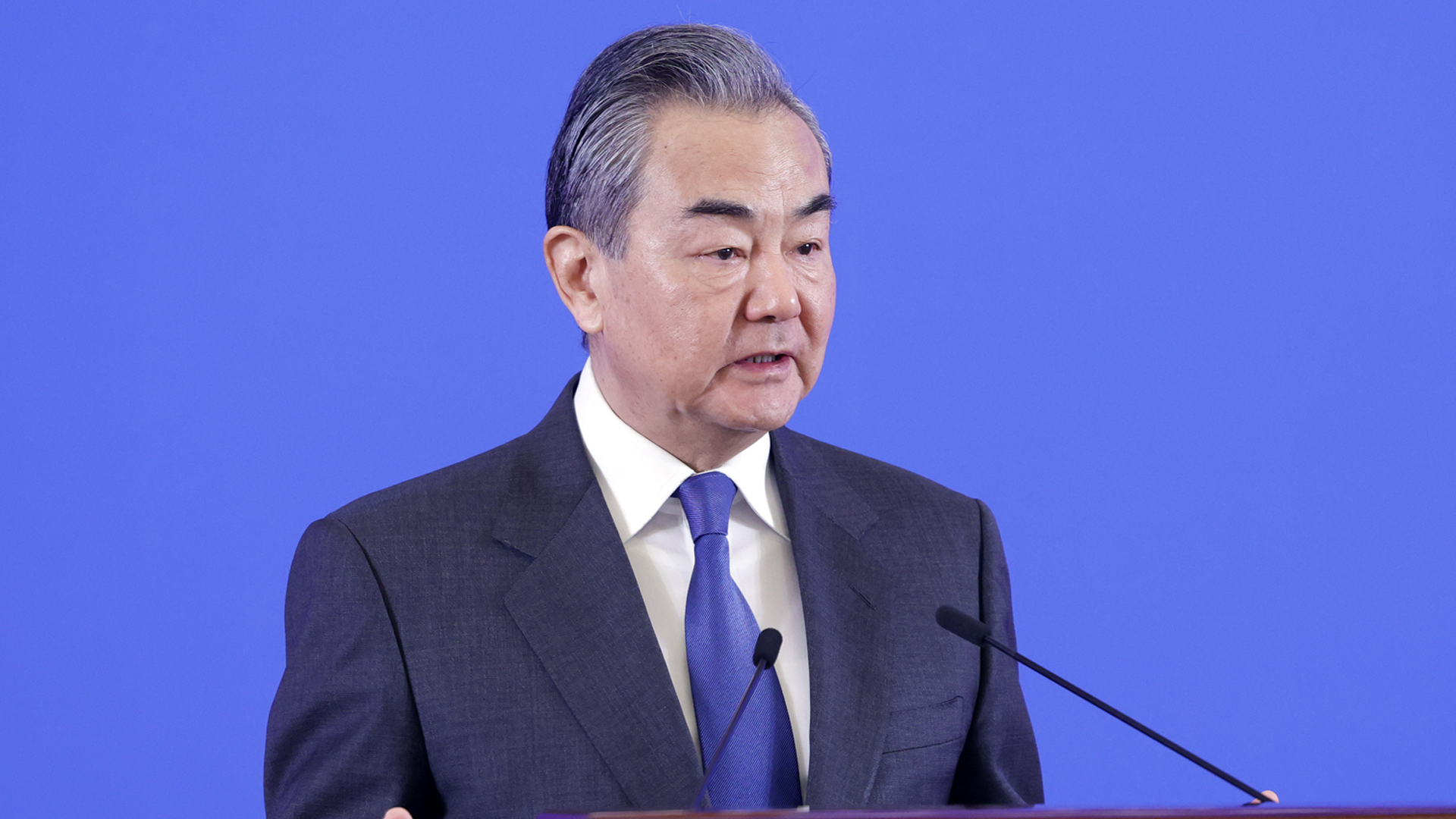
Prime Minister Narendra Modi is set to meet China’s top diplomat, Wang Yi, in New Delhi on Tuesday, marking a potential breakthrough in efforts to normalize relations between the two Asian powers. The meeting comes after nearly five years of strained ties following the deadly border clashes in Ladakh’s Galwan Valley in 2020, which derailed the bilateral relationship and stalled high-level political engagement.
According to officials, the talks will focus on finding ways to rebuild trust and cooperation while addressing the long-standing border disputes that remain the biggest obstacle in India-China relations. Wang Yi, a veteran diplomat who currently serves as China’s Foreign Minister and a key foreign policy advisor to President Xi Jinping, arrived in India after attending multilateral engagements in Southeast Asia. His visit comes at a time when both nations are reassessing their strategic positions amid global economic and security realignments.
The Modi-Wang meeting is being closely watched by the international community, as India and China together account for over one-third of the world’s population and play pivotal roles in global trade and geopolitics. With tensions simmering along the Line of Actual Control (LAC), the two sides have held multiple rounds of military and diplomatic-level talks but have yet to achieve a complete disengagement of troops in contested areas.
Indian officials have indicated that while the border issue remains central, the discussions could also touch on expanding economic cooperation and resuming stalled exchanges in culture, trade, and people-to-people ties. The recent momentum in talks follows a series of interactions between Indian External Affairs Minister S. Jaishankar and Wang Yi, who have been engaging regularly on the sidelines of multilateral forums such as BRICS, SCO, and the G20.
Experts note that the decision by Prime Minister Modi to personally meet Wang Yi highlights New Delhi’s willingness to explore a pragmatic approach without compromising on sovereignty concerns. Analysts also see the move as part of India’s broader diplomatic balancing act, with the country simultaneously strengthening ties with the United States, Japan, and other Quad members while not shutting the door on dialogue with China.
For China, the outreach reflects its interest in stabilizing ties with India at a time when Beijing is grappling with slowing economic growth and increasing strategic pushback from the West. “India is central to the future of Asia’s stability, and for China, mending ties is critical to avoid prolonged confrontation along the border,” said a senior Asia policy expert.
While expectations from the talks remain cautious, observers believe that the Modi-Wang meeting could pave the way for a possible bilateral summit later this year, perhaps on the sidelines of upcoming multilateral gatherings. Any significant progress would require tangible steps on the border issue, but both governments are signaling a readiness to at least reopen channels of high-level communication that have been largely frozen since 2020.
The outcome of Tuesday’s talks could shape the trajectory of India-China relations for years to come. A successful reset would not only reduce the risk of border flare-ups but also open up new avenues for regional cooperation in trade, climate change, and global governance.