Washington: Relations between the United States and India have soured sharply, with the Trump administration escalating sanctions and touting unlikely diplomatic credit—all while Indian refiners continue to source heavily discounted Russian oil in the face of U.S. pressure.
Sanctions and Accusations of “Profiteering”
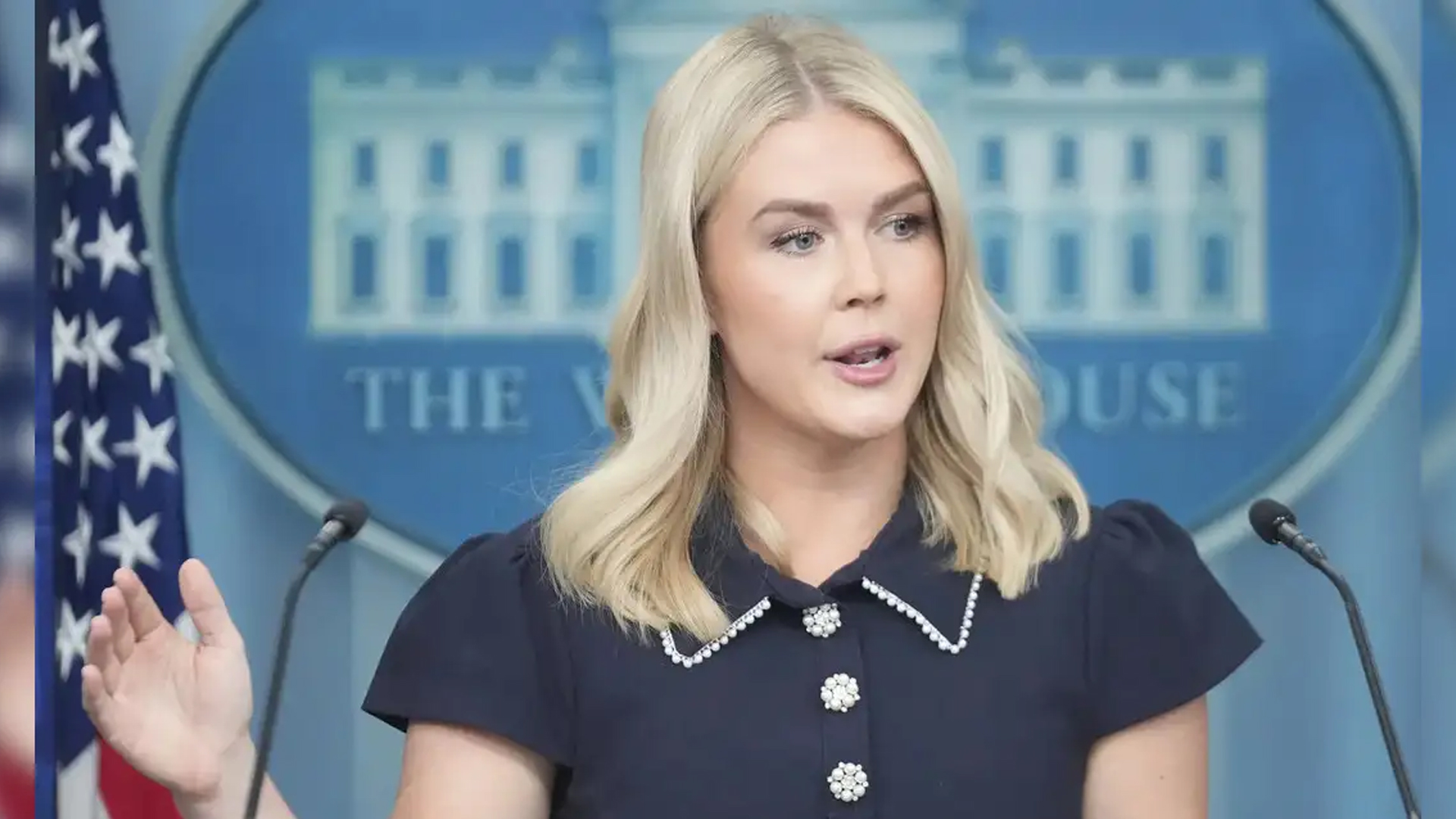
On Tuesday, White House Press Secretary Karoline Leavitt asserted that President Donald Trump imposed sanctions on India to help end the Russia–Ukraine war. She emphasised that Trump “put tremendous public pressure” through actions including these sanctions, reiterating the president’s insistence on bringing the conflict to a swift conclusion.
Similarly, Treasury Secretary Scott Bessent accused India of “profiteering” from its Russian oil trade, saying it exploited price disparities by importing heavily discounted crude and reselling refined products abroad. According to Bessent, India’s oil imports from Russia have surged from under 1% pre-invasion to an estimated 42%, while China’s increased marginally from 13% to 16%.
This comes as the U.S. already imposed a 25% reciprocal tariff, compounded by an additional 25% “secondary tariff” tied to India’s Russian oil purchases. These combined tariffs—totaling 50%—take effect from August 27 and have drawn strong condemnation from New Delhi.
Indian Oil Buys Resume Despite U.S. Pressure
Despite mounting sanctions, Indian Oil Corporation (IOC) and Bharat Petroleum (BPCL) plan to resume purchasing Russian crude for September and October deliveries, driven by widened discounts, particularly on the Urals grade. Analysts view this as a firm commitment to energy security, highlighting the domestic necessity behind such decisions even in the face of geopolitical backlash.
Trump Claims Credit for Indo-Pak Peace
Leavitt also repeated Trump’s claim that he ended the India–Pakistan military standoff using trade diplomacy. She branded the president’s intervention as an act of global peacemaking, saying he utilised America’s economic strength to broker multiple ceasefires, including between the two nuclear-armed neighbors. India, however, has persistently denied any third-party mediation and maintains its own DGMO-level talks led to the agreement.
Strategic Fallout and Realignments
Analysts warn that these unilateral moves threaten to unravel years of strategic progress between the two democracies. The tariffs and demarches appear to be steering India closer to China and reinforcing alliances within the BRICS bloc. Kashmir tensions, energy policy disputes, and trade disagreements remain unresolved, all contributing to a growing diplomatic chasm.
Also Read: India Faces Steep Challenge as 50% U.S. Tariffs Bite Export Sector