Dhaka tribunal has delivered a shocking verdict, sentencing former Prime Minister Sheikh Hasina to death for her role in a violent crackdown on student protests in 2024. The court found her directly responsible for widespread killings and human rights violations during the unrest.
The tribunal stated that Hasina, who is currently in self-imposed exile in India, ordered the use of lethal force, including firearms, drones, and helicopters, against protesters. The court described her actions as deliberate, coordinated, and directly responsible for the deaths of hundreds of civilians.
Alongside Hasina, former Home Minister Asaduzzaman Khan also received a death sentence, while ex-police chief Chowdhury Abdullah Al-Mamun was sentenced to a prison term. The court emphasized that all three had a key role in planning and executing the violent crackdown.
Evidence presented during the trial included recorded communications in which Hasina allegedly gave direct orders to punish protestors. Judges described these orders as systematic and premeditated, framing them as crimes against humanity. Prosecutors argued that the former PM acted as the “principal architect” of the crackdown, demanding the harshest possible punishment.
The tribunal’s report revealed that up to 1,400 people may have died during the unrest, highlighting the scale of the violence. The killings, which targeted students and demonstrators, triggered widespread fear and anger across Bangladesh.
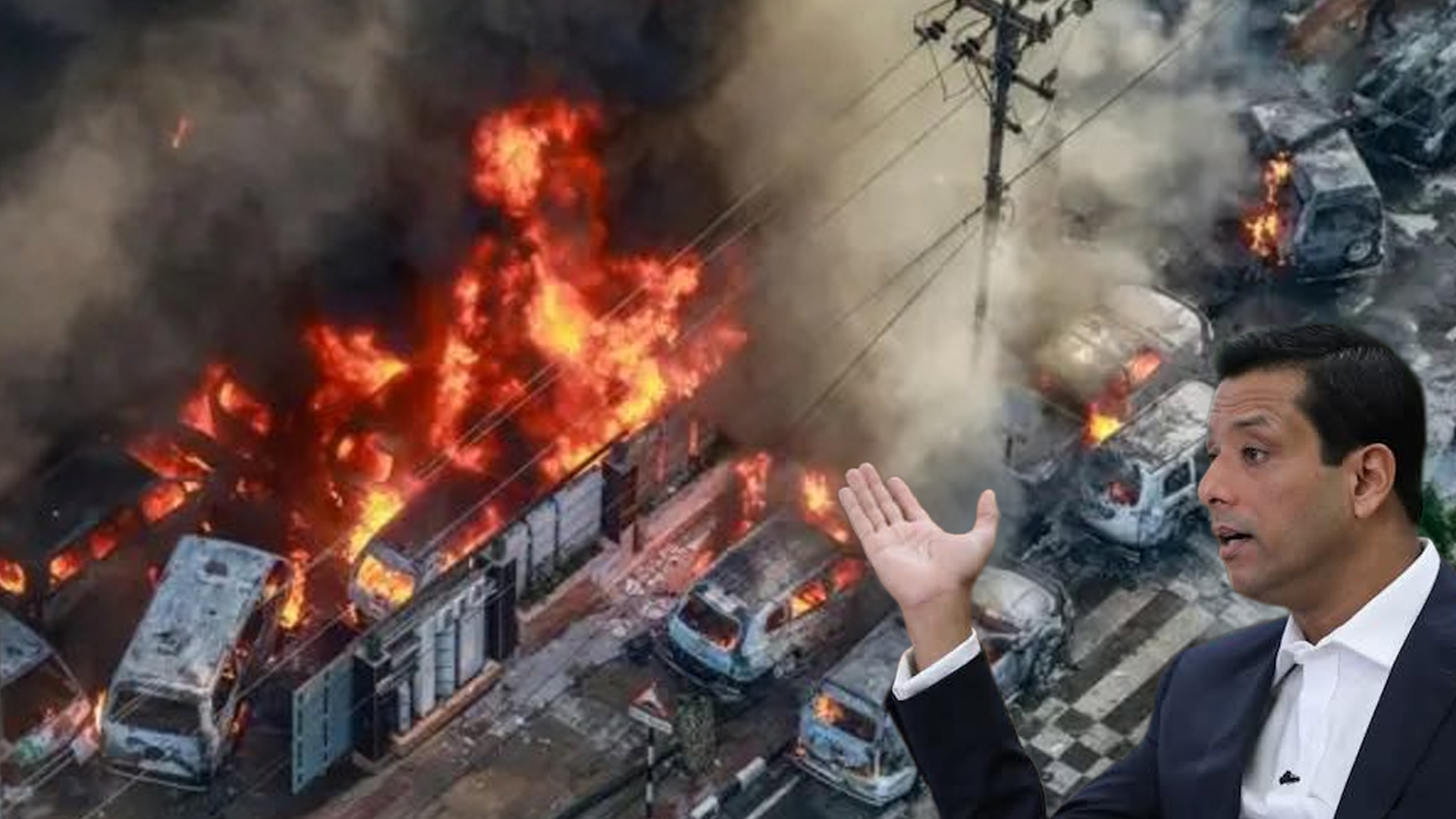
Hasina has rejected all allegations, calling the proceedings politically motivated and unfair. In her absence, the court delivered the verdict amid tight security, following reports of minor violent incidents in parts of Dhaka on the day of the ruling.
The death sentence marks an unprecedented moment in Bangladesh’s history, raising serious questions about accountability, political rivalries, and the future of the country’s democratic institutions. With national elections scheduled for early 2026, the verdict could intensify tensions and shape the political landscape for months to come.
As Bangladesh prepares for the aftermath of this verdict, authorities face the challenge of maintaining order and ensuring that the judicial process does not further inflame divisions in a nation already shaken by political unrest.