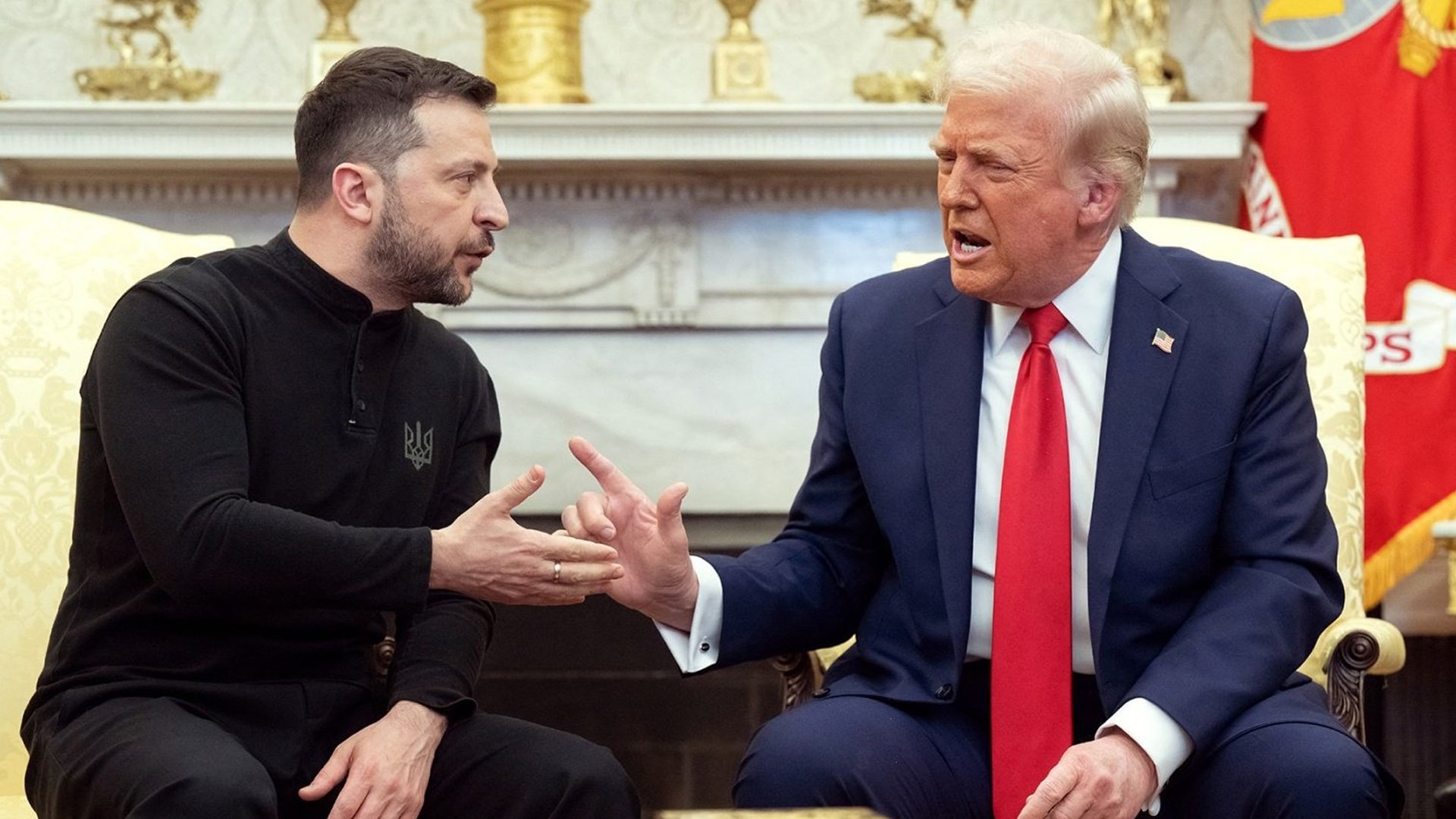
The US and Ukraine have taken a cautious step forward in reviving efforts to end the war with Russia, unveiling a revised peace framework after a long and intense round of talks in Geneva. The updated proposal, shaped from the Trump administration’s earlier 28-point plan, now carries what US officials say are firmer and more enforceable security guarantees for Ukraine.
For Washington, the latest discussions were a rare moment of optimism. US Secretary of State Marco Rubio described the Geneva meeting as the most constructive engagement since President Trump returned to office, calling the draft a “living document” that will continue to evolve with feedback from all sides.
But for Ukraine, the path ahead remains emotionally and politically difficult. The proposal still leaves unanswered questions on issues central to Ukraine’s future, possible territorial compromises, limits on its military strength, and how its sovereignty will be protected in the long term. These are the choices that President Volodymyr Zelenskyy has called “painful,” warning that Ukraine must guard its principles even as it leans on US support.
European leaders involved in the process have also pushed to ensure the plan does not tilt unfairly toward Russia. They want any territorial negotiations to start from current battle lines rather than assumptions that disadvantage Kyiv.
Russia, meanwhile, has responded with cautious approval. President Vladimir Putin has indicated the plan could serve as a base for a final settlement, although Moscow’s demands, including military restrictions on Ukraine, are still being negotiated.
More rounds of talks are expected, and both Washington and Kyiv say the true test will be whether the security guarantees offered on paper translate into protection Ukraine can rely on. For now, the revised framework signals movement but not certainty.
Also Read: Justice Surya Kant becomes India’s 53rd Chief Justice