India is facing a major economic setback as the United States formally announced a 50% tariff on Indian products, effective from August 27, 2025. The decision comes after India’s continued imports of Russian crude oil, which the US has described as a threat to its national security and foreign policy interests. The move follows the collapse of trade deal negotiations and rising diplomatic tensions between the two countries.
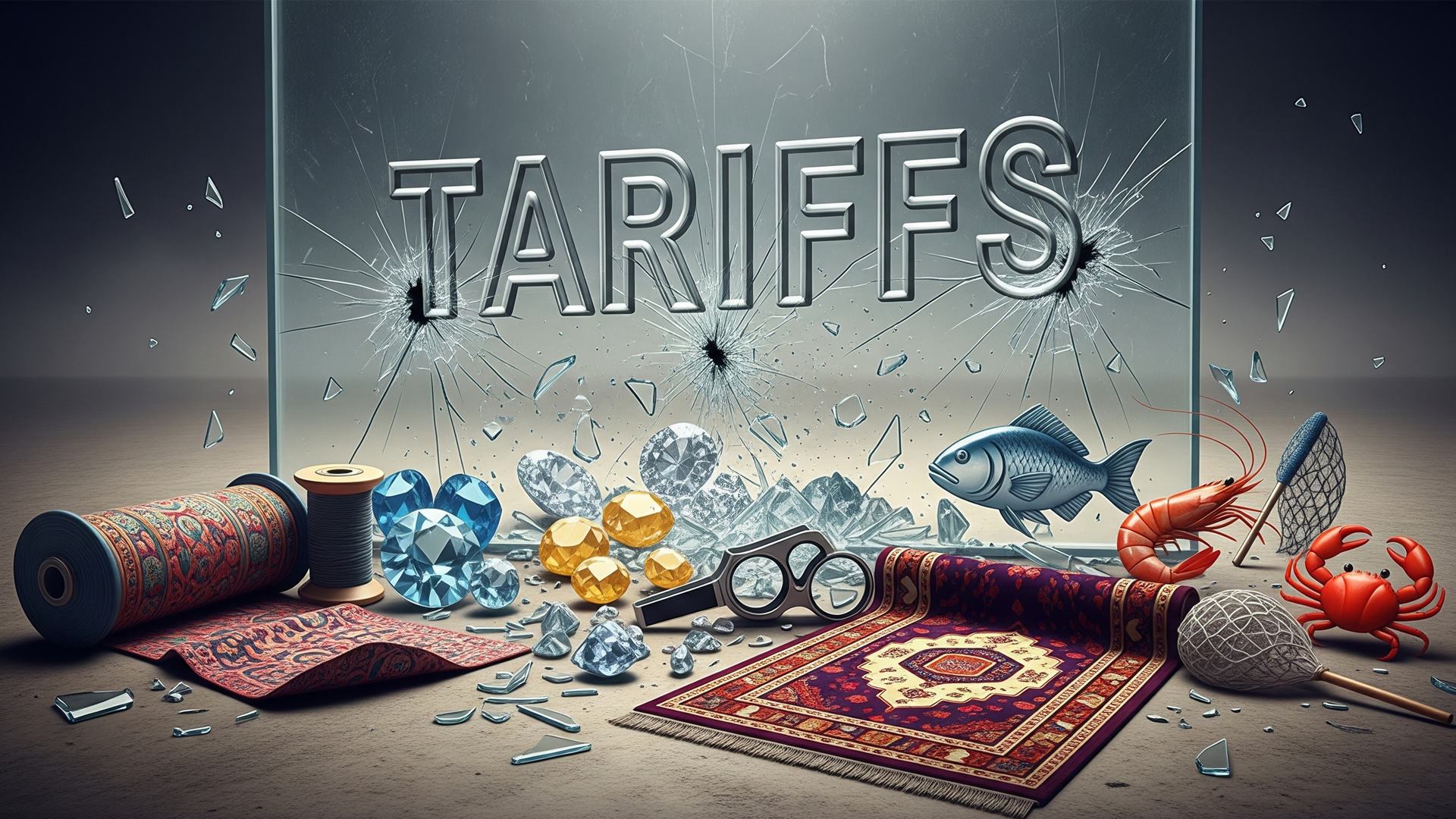
The US Customs and Border Protection (CBP) clarified that the new duties would apply to products entering the United States for consumption or withdrawn from warehouses for consumption from 12:01 a.m. Eastern Daylight Time on August 27. Certain items, including passenger vehicles, iron and steel, copper, pharmaceuticals, and electronics, are exempt from the tariffs. However, a wide range of other products, including textiles, gems and jewelry, leather goods, machinery, furniture, and marine products, will face the increased duties.
Industry experts estimate that about 55% of India’s $87 billion worth of merchandise exports to the US could be affected. Sectors such as diamond polishing, shrimp, home textiles, carpets, ready-made garments, chemicals, agrochemicals, capital goods, and solar panel manufacturing are expected to experience substantial challenges. Exporters have warned that shipments could decline by 20–30% beginning September, and US buyers have reportedly halted new orders amid tariff uncertainty.
The tariffs add to existing financial pressures on Indian exporters. Crisil Ratings noted that the move could make exports unviable for several sectors, particularly those with high exposure to the US market. Analysts also cautioned that the tariffs could create secondary effects, including a slowdown in US demand and shifts in global trade dynamics, as other nations like China and Vietnam potentially absorb demand previously met by Indian suppliers.
Indian officials have defended the country’s oil trade decisions as necessary for national energy security. External Affairs Minister S. Jaishankar criticized the US action as “unjustified and unreasonable,” highlighting that other major importers of Russian oil have not faced similar sanctions. Prime Minister Narendra Modi emphasized that India would continue to protect its farmers, small businesses, and national interests, asserting that the country will remain resilient against external pressures.
Despite these tensions, India has expressed a willingness to continue trade negotiations. However, the cancellation of planned talks in August has dampened prospects for a quick resolution. The US administration has tied the tariffs to broader diplomatic efforts related to ending the war in Ukraine, citing India’s Russian oil imports as a security concern.
Economists warn that the escalating trade dispute could have wider repercussions for the global economy, including increased inflation and slower growth. Indian policymakers may need to implement measures to support affected industries and workers as exporters navigate higher costs and disrupted supply chains.
With the tariff deadline approaching, India-US trade relations are entering a critical phase. While India remains committed to its foreign policy priorities, the economic fallout from the tariffs could require strategic adjustments to sustain trade ties and protect the competitiveness of Indian exporters in the US market.
Also Read: ED Raids AAP Leader Saurabh Bhardwaj’s Residence in Hospital Construction Scam Probe