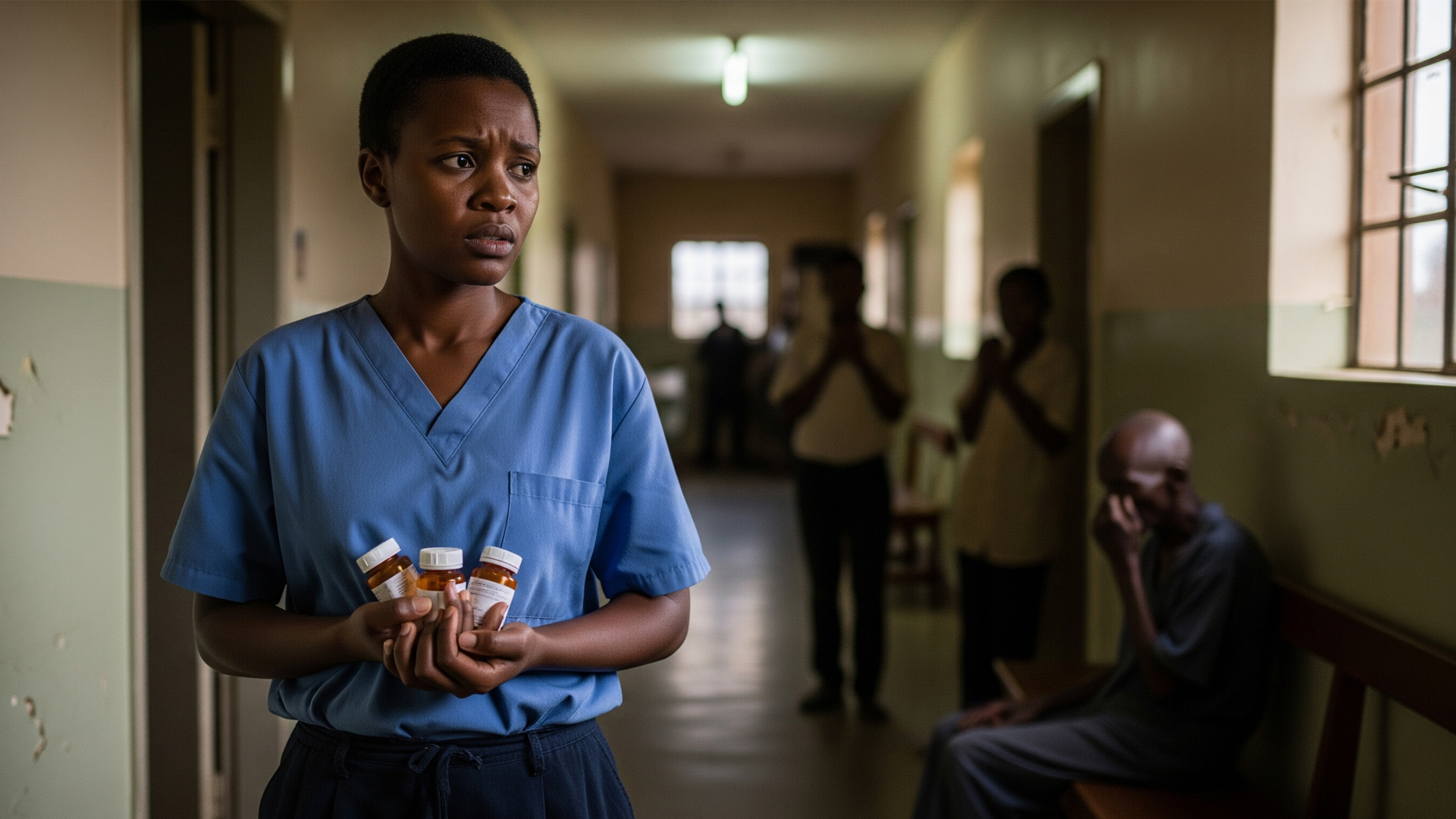
Botswana has declared a national public health emergency following critical shortages of essential medicines and medical supplies. President Duma Boko announced the crisis on August 25, attributing the collapse of the medical supply chain to depleted government coffers and significant reductions in foreign aid, particularly from the United States.
The Ministry of Health had previously suspended non-urgent surgeries on August 4 due to shortages of medications for chronic conditions such as hypertension, diabetes, cancer, asthma, and eye diseases. Additionally, basic surgical supplies, including bandages and sutures, were reported to be in short supply. The government has allocated 250 million pula (approximately £13.8 million) for emergency procurement, with the military overseeing distribution to ensure equitable access.
President Boko criticized the Central Medical Stores (CMS), the state procurement agency, for inefficiencies and inflated pricing. While CMS quoted 705 million pula for a year’s worth of necessary medicines, an emergency task force obtained a much lower estimate of 80 million pula. Analysts have highlighted longstanding issues within CMS, including corruption allegations and procurement failures, which have exacerbated the crisis.
The healthcare system’s challenges are compounded by Botswana’s economic downturn. The country, traditionally reliant on diamond exports, has faced a prolonged slump in global diamond prices. In 2024, rough diamond sales fell by 49.2%, significantly impacting national revenue. The government has been forced to make drastic fiscal adjustments, including expenditure cuts and increased borrowing, leading to a projected budget deficit of 11% of GDP in 2025.
Further straining the healthcare sector, Botswana has experienced reductions in international aid. The United States, a major donor, had previously funded about one-third of Botswana’s HIV response through the President’s Emergency Plan for AIDS Relief (PEPFAR) and the Global Fund. However, in January 2025, the U.S. government announced a halt to foreign aid payments, including approximately $67 million allocated to Botswana’s health programs. While some funding has since been restored, the uncertainty has disrupted ongoing HIV/AIDS initiatives.
Despite these challenges, Botswana has made significant strides in combating HIV/AIDS. The country has achieved a dramatic reduction in mother-to-child transmission rates, earning recognition from the World Health Organization for eliminating vertical HIV transmission as a public health threat. However, the recent funding cuts threaten to reverse these gains, particularly in pediatric HIV treatment and prevention programs.
In response to the multifaceted crisis, President Boko has emphasized the need for economic diversification. The government has secured a $12 billion investment agreement with Qatar’s Al Mansour Holdings, targeting sectors such as infrastructure, energy, mining, and tourism. This strategic partnership aims to reduce Botswana’s dependence on diamond exports and promote sustainable economic development.