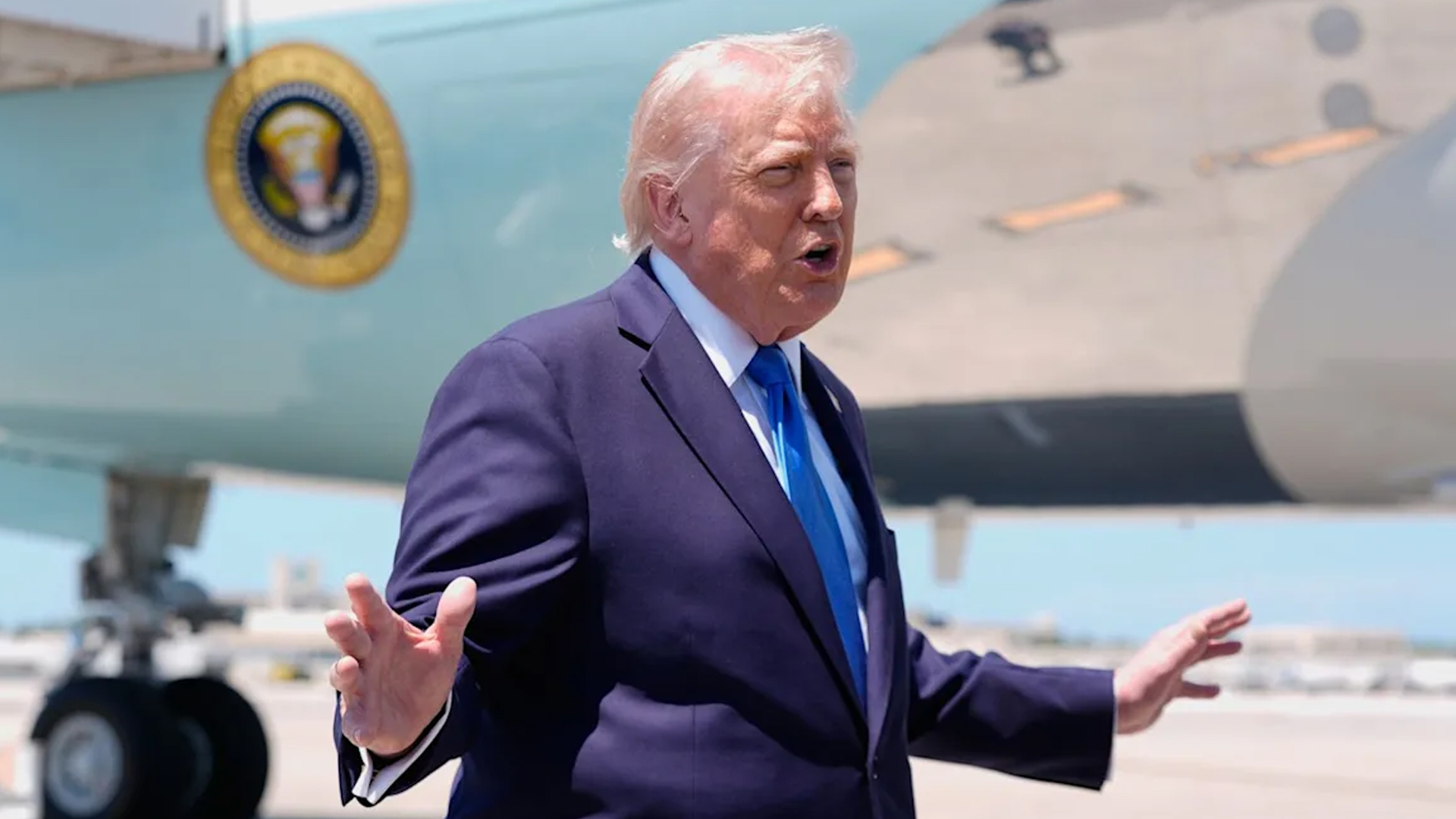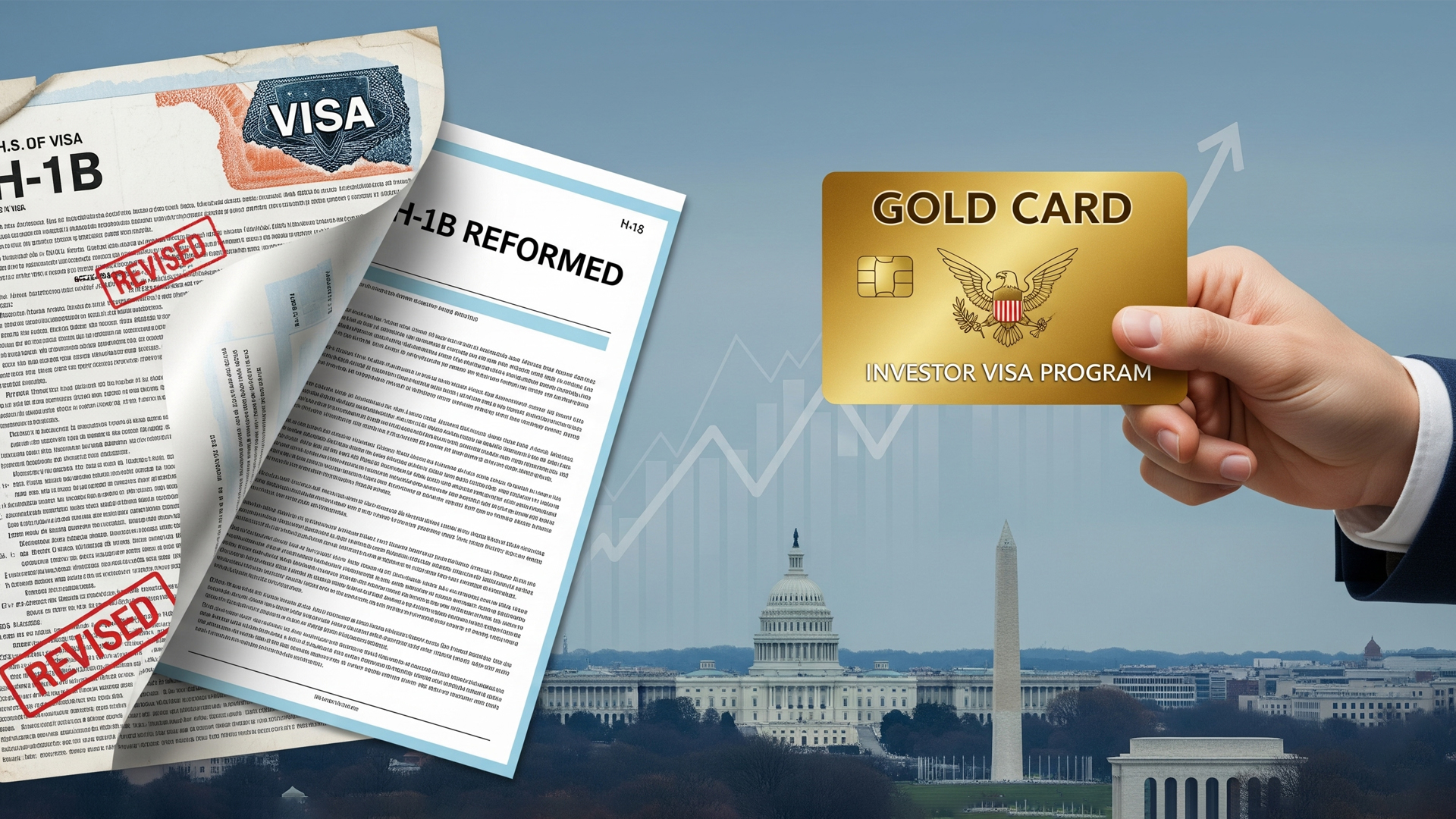
The Trump administration is preparing significant changes to the U.S. immigration system, focusing on the H-1B visa and green card programs. Commerce Secretary Howard Lutnick criticized the current H-1B system, describing it as inadequate and unfair to American workers. In response, the administration plans to introduce a “Gold Card” program aimed at attracting high-net-worth individuals to invest in the U.S. economy, providing a new pathway to permanent residency.
The H-1B visa program allows U.S. employers to hire foreign workers in specialty occupations. Critics have long argued that the program can displace American workers and be exploited for low-cost labor. The Trump administration intends to overhaul this system by replacing the lottery-based allocation with a wage-based and merit-driven approach. By prioritizing highly skilled immigrants who earn higher wages, the administration aims to ensure that the program benefits the U.S. economy by attracting top talent while safeguarding opportunities for American workers.
In addition to H-1B reforms, the administration has proposed the Gold Card investor visa. Under this program, foreign nationals would be required to invest $5 million in U.S. projects in exchange for permanent residency and a pathway to citizenship. The Gold Card is designed to replace the existing EB-5 investor visa program, which has been criticized for its complexity and limited economic impact. By requiring significant investment, the program seeks to attract affluent individuals who can contribute meaningfully to the U.S. economy through job creation, spending, and tax contributions.
The Gold Card also offers certain tax advantages. Investors under this program would not be liable for federal income tax on earnings generated outside the United States. The initiative targets wealthy foreign investors and entrepreneurs, offering a streamlined route to residency and citizenship in return for capital inflows that support economic growth. While proponents argue that this program will bolster the U.S. economy and create employment opportunities, critics warn that it could lead to security concerns, potential misuse, and increased inequality in access to residency.
The proposed changes to the H-1B system may have a substantial impact on Indian professionals, who constitute a significant portion of H-1B visa holders. A merit- and wage-based system could limit opportunities for entry-level or lower-paid positions, particularly in the IT sector. However, the Gold Card program may provide an alternative pathway for wealthy Indian investors seeking U.S. residency, emphasizing financial contribution as a criterion rather than employment in specialized occupations.
The Trump administration has stressed that these reforms are designed to attract the best talent and investment to the country. By overhauling the H-1B visa program and introducing the Gold Card, the administration aims to align immigration with U.S. economic priorities, ensuring that skilled professionals and capital inflows contribute directly to national growth and competitiveness.
These proposed reforms represent a major shift in U.S. immigration policy. While they are intended to attract high-skilled immigrants and affluent investors, they also raise questions about fairness, equity, and potential socioeconomic implications. As the administration moves forward with these proposals, careful attention will be needed to balance economic benefits with equitable access, national security, and the long-term interests of American workers.
Also Read: Global Condemnation After Israeli Strike Kills Five Journalists in Gaza Hospital