India’s trade gap with China is expected to widen further, reaching $106 billion in 2025, according to the Global Trade Research Initiative (GTRI). The rise is mainly due to strong imports from China, even as Indian exports show a slow recovery.
India’s exports to China are projected at $17.5 billion in 2025, up from $14.5 billion in 2023, but still below earlier levels. This indicates modest growth in demand for Indian goods, but export gains are uneven and limited.
Imports from China are growing faster, expected to reach $123.5 billion in 2025. Rising imports have pushed the trade deficit up from $64.7 billion in 2021 to the projected $106 billion, making China India’s largest source of imports.
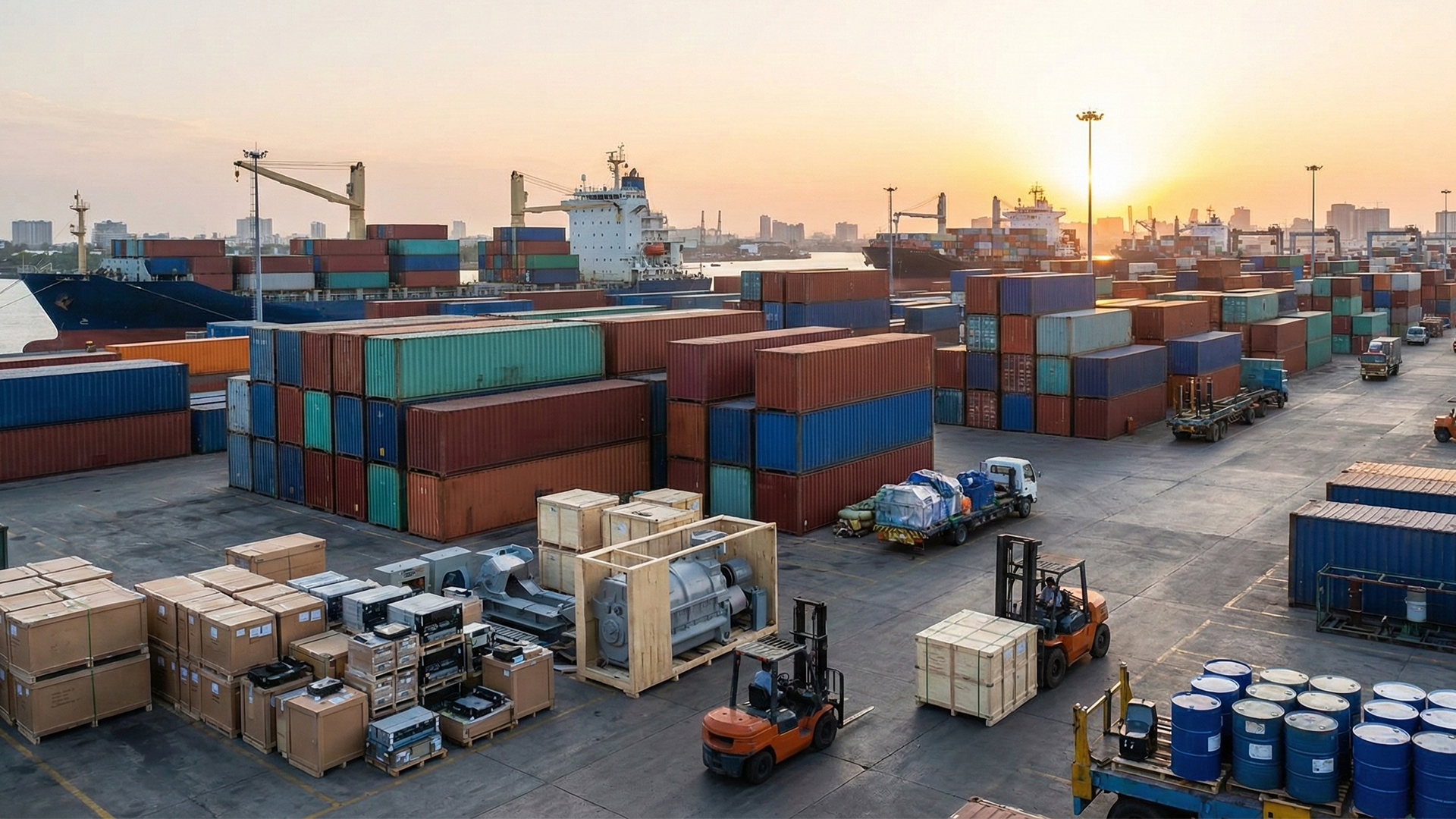
Most imports come from a few key sectors. Around 80% of Chinese imports include electronics, machinery, chemicals, plastics, and engineering goods. Essential items include mobile phone parts, semiconductors, laptops, solar panels, lithium-ion batteries, and display panels, which are vital for India’s electronics, renewable energy, and manufacturing sectors.
GTRI notes that this reflects structural issues rather than short-term fluctuations. India’s limited domestic manufacturing in high-tech components forces industries to rely heavily on China, making quick alternatives difficult.
The government has acknowledged the situation. According to the Commerce Ministry, the deficit is largely due to imports of raw materials, intermediate goods, and capital equipment needed for domestic production and exports. An inter-ministerial committee is reviewing trade patterns and exploring ways to boost exports and strengthen local manufacturing.
While exports to China occasionally spike, such as shipments of naphtha and electronics, analysts warn these gains are narrow and not enough to offset the growing import bill. Without stronger domestic manufacturing and diversified exports, India’s trade imbalance with China is likely to remain high in the coming years.