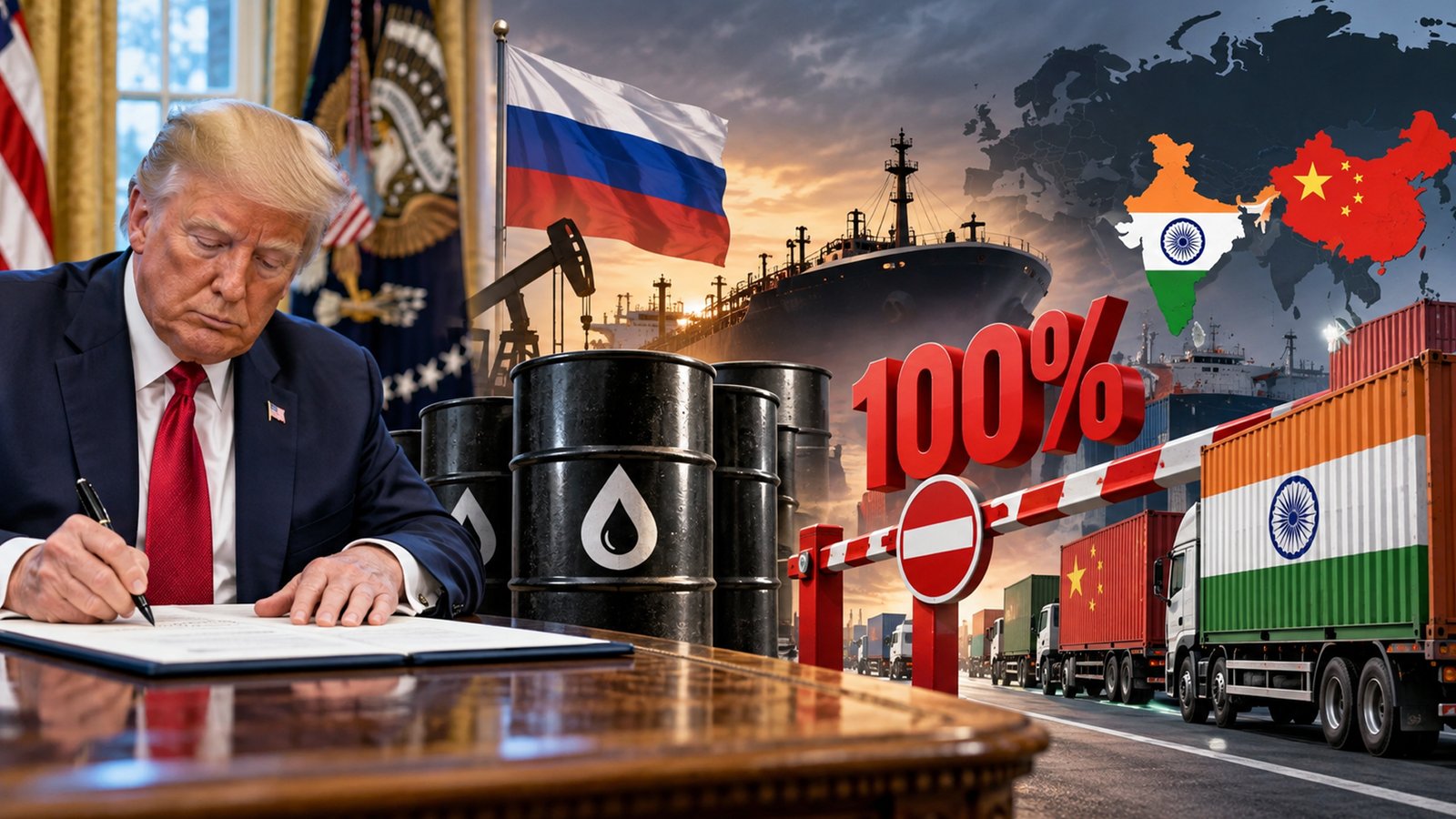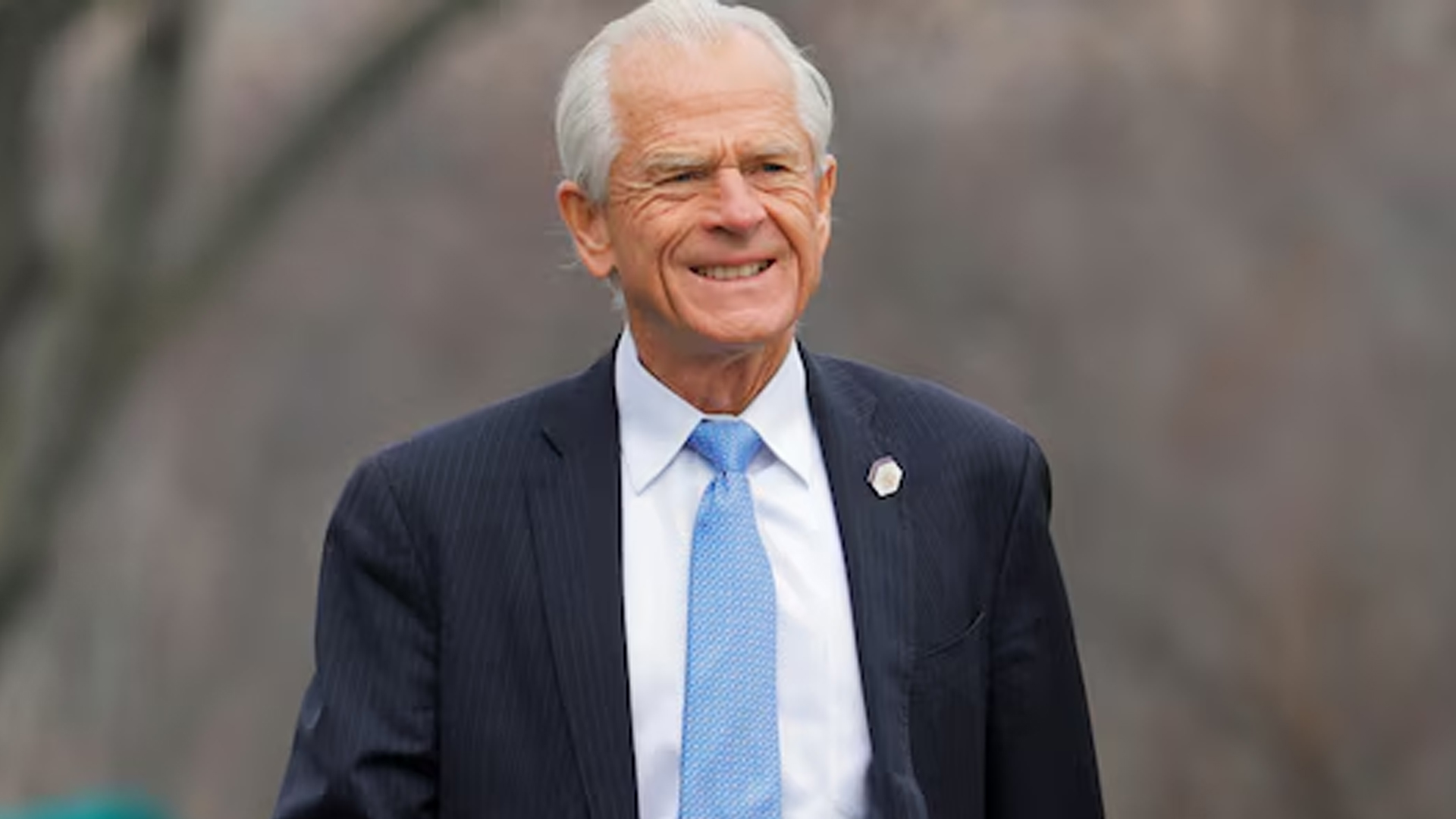
In a sharp escalation of tensions between Washington and New Delhi, White House trade adviser Peter Navarro has accused India of acting as an “oil money laundromat for the Kremlin,” alleging that India’s purchases of discounted Russian oil are indirectly funding Russia’s war in Ukraine. His remarks come a day after the Trump administration imposed a 50% tariff on Indian imports, citing unfair trade practices and national security concerns.
Navarro’s criticism focuses on India’s growing imports of Russian crude, which have risen from less than 1% of India’s oil imports before the 2022 invasion of Ukraine to over 30% today. He claims Indian refiners purchase this discounted oil, refine it, and export the resulting petroleum products globally, including to Europe, Africa, and Asia. According to Navarro, this allows Russia to circumvent sanctions and continue funding its military operations, while profits flow to India’s politically connected energy sector.
The U.S. tariff, split equally between penalties for unfair trade and national security concerns, was implemented this week. Navarro framed it as a necessary step to cut off financial support to Russia’s war efforts, stating that if India wishes to be treated as a strategic partner of the United States, it must align its actions with shared democratic values. He further criticized India for continuing to buy Russian weapons while demanding U.S. firms transfer sensitive military technology and establish manufacturing operations in India.
India has rejected Navarro’s accusations, maintaining that its energy purchases are driven by national interest and energy security considerations rather than geopolitical alignments. Officials in New Delhi have called the tariffs “unjustified and unreasonable” and emphasized that, like any major economy, India will take measures to safeguard its national interests and economic security.
The dispute also highlights the broader tensions between energy security, international trade, and geopolitical strategy. Navarro argues that India is profiting from discounted Russian oil while American taxpayers and consumers bear the cost of supporting Ukraine. In contrast, India underscores its right to an independent foreign policy and its need to ensure affordable and secure energy supplies for its population.
Meanwhile, the Democrats on the House Foreign Affairs Committee have criticized Navarro for singling out India, noting that China purchases far more Russian oil but has not faced similar tariffs. They argue that the U.S. action against India risks damaging the bilateral relationship without addressing the larger geopolitical context.
Also Read: White House Trade Advisor Labels Ukraine Conflict as ‘PM Modi’s War’ Amid Rising US-India Tensions