A severe water contamination crisis in Indore’s Bhagirathpura area has led to a widespread outbreak of diarrhoea and vomiting, claiming several lives, including a six-month-old infant, and leaving more than 1,400 people ill. The incident has raised serious questions about civic oversight, emergency response, and accountability in the city’s water supply system.
The crisis began in the last week of December when residents noticed foul-smelling and discoloured tap water. Despite complaints to the municipal corporation, many households continued using the supply for drinking and cooking. Health officials later confirmed that sewage had leaked into a drinking water pipeline due to damage in an underground line, contaminating the supply.
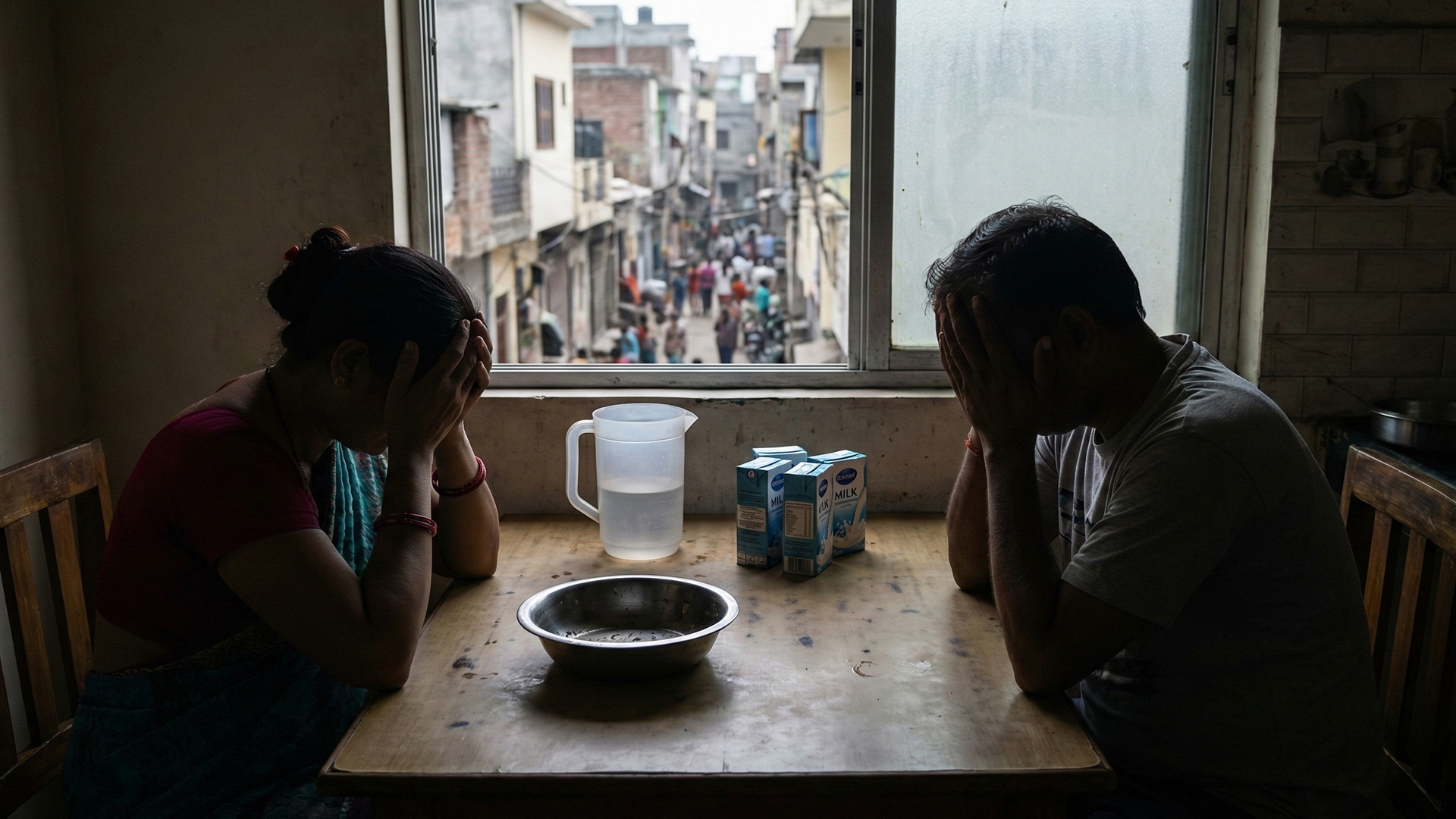
Hospitals and clinics soon reported a surge in patients suffering from acute diarrhoea, vomiting, stomach cramps and dehydration. While official records confirm at least four deaths, local residents and opposition leaders claim the toll may be higher. One grieving family said their six-month-old baby died after consuming milk prepared by mixing packaged milk powder with contaminated water, highlighting how even indirect exposure proved fatal.
Following public outrage, the Madhya Pradesh government ordered an inquiry into the incident. Several municipal engineers and water supply officials have been suspended or removed for alleged negligence. A three-member committee has been tasked with identifying lapses and fixing responsibility. The state government has announced an ex-gratia compensation of ₹2 lakh for families of the deceased and assured free treatment for all affected patients.
The health department has advised residents to stop using tap water for drinking until further notice. Tankers supplying potable water have been deployed in affected areas, and chlorination of pipelines is underway. Doctors have also issued advisories on boiling water, maintaining hand hygiene and seeking early medical care for symptoms.
The crisis has also taken a political turn. Urban Development Minister Kailash Vijayvargiya drew sharp criticism after using an objectionable word during a media interaction while responding to questions on the outbreak. The remark sparked public anger and opposition protests. Vijayvargiya later expressed regret and apologised, stating his comment was made in the heat of the moment.
As investigations continue, the Indore water crisis has exposed the human cost of infrastructure failures and delayed responses, with affected families demanding justice, accountability and long-term safeguards to prevent such tragedies from recurring.
Also Read: Indore water contamination tragedy claims 8 lives