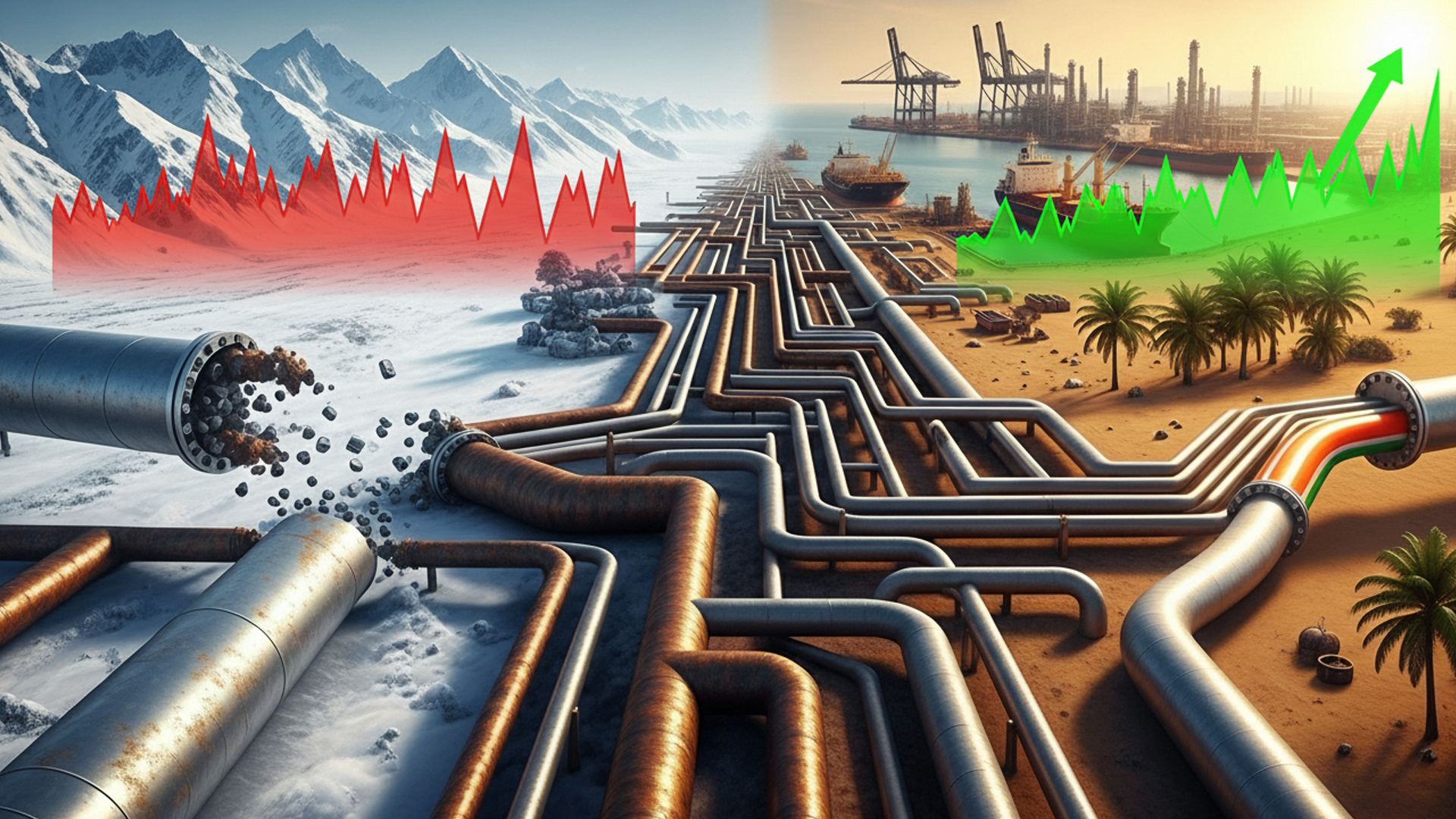
India has sharply rebutted escalating U.S. pressure to curtail its imports of Russian crude, with Oil Minister Hardeep Singh Puri defending the policy as essential for global energy stability and national energy security. Speaking out in a column in The Hindu and during media engagements, Puri dismissed allegations—most notably from U.S. trade adviser Peter Navarro—that India is acting as a “laundromat” for Russian oil or fueling the Kremlin’s war effort.
Puri emphasized that India’s actions are fully compliant with international norms, particularly the Group of Seven (G7) price cap on Russian oil aimed at restricting Moscow’s revenue without disrupting supplies. “India’s adherence to all international norms prevented a catastrophic $200-per-barrel shock,” he wrote. “Some critics allege that India has become a ‘laundromat’ for Russian oil. Nothing could be further from the truth.”
Bloomberg highlighted Puri’s stance, noting how the imports of discounted Russian crude have helped shield the global economy from extreme price volatility.
The U.S. response has been aggressive—doubling import tariffs on Indian goods to 50% in a bid to force New Delhi to reduce purchases of Russian oil. Navarro and U.S. Treasury Secretary Scott Bessent have accused India of profiteering and undermining global efforts to penalize Russia over the Ukraine conflict. Navarro stated in a Bloomberg interview that unless India halts such imports, tariffs would remain, labeling the imports as financing Russia’s war machine.
Strategic Autonomy Meets Market Realities
India, however, stands firm. Prime Minister Narendra Modi, meeting Russian President Vladimir Putin during the SCO summit in China, reaffirmed the country’s pragmatic energy policy and deepening ties with Moscow. Puri echoed this in his defense, saying India’s buying has helped stabilize global oil markets and prevent disruptive price spikes.
Despite U.S. pressure, India remains the world’s largest importer of Russian seaborne oil, accounting for around 37% of its purchases this year. According to Reuters, India’s savings from discounted Russian oil—estimated at $17 billion since early 2022—have been significantly tempered by the new tariffs, threatening economic fallout of nearly $37 billion in exports and putting jobs in vulnerable sectors like gems, textiles, and furniture at risk.
Traders report that Indian refiners are planning modest cuts in Russian oil imports, but sources cited by Bloombergsuggest this is more a political gesture than a strategic shift. India appears unlikely to abandon these supplies unless a global ban is imposed, as such a move would significantly disrupt its energy security.
Growing Rift in Strategic Ties
The diplomatic fallout from the oil dispute is unfolding against the backdrop of a broader U.S.–India diplomatic and trade crisis. Indian officials and analysts view Washington’s targeting of New Delhi—while continuing its own trade with Russia—as hypocrisy. The Ministry of External Affairs has denounced the tariffs as “unjustified and unreasonable,” emphasizing that energy decisions are guided by India’s domestic needs.
Also Read: Heavy Rainfall Alert in Telangana and Andhra Pradesh as Monsoon Low Brings Widespread Showers