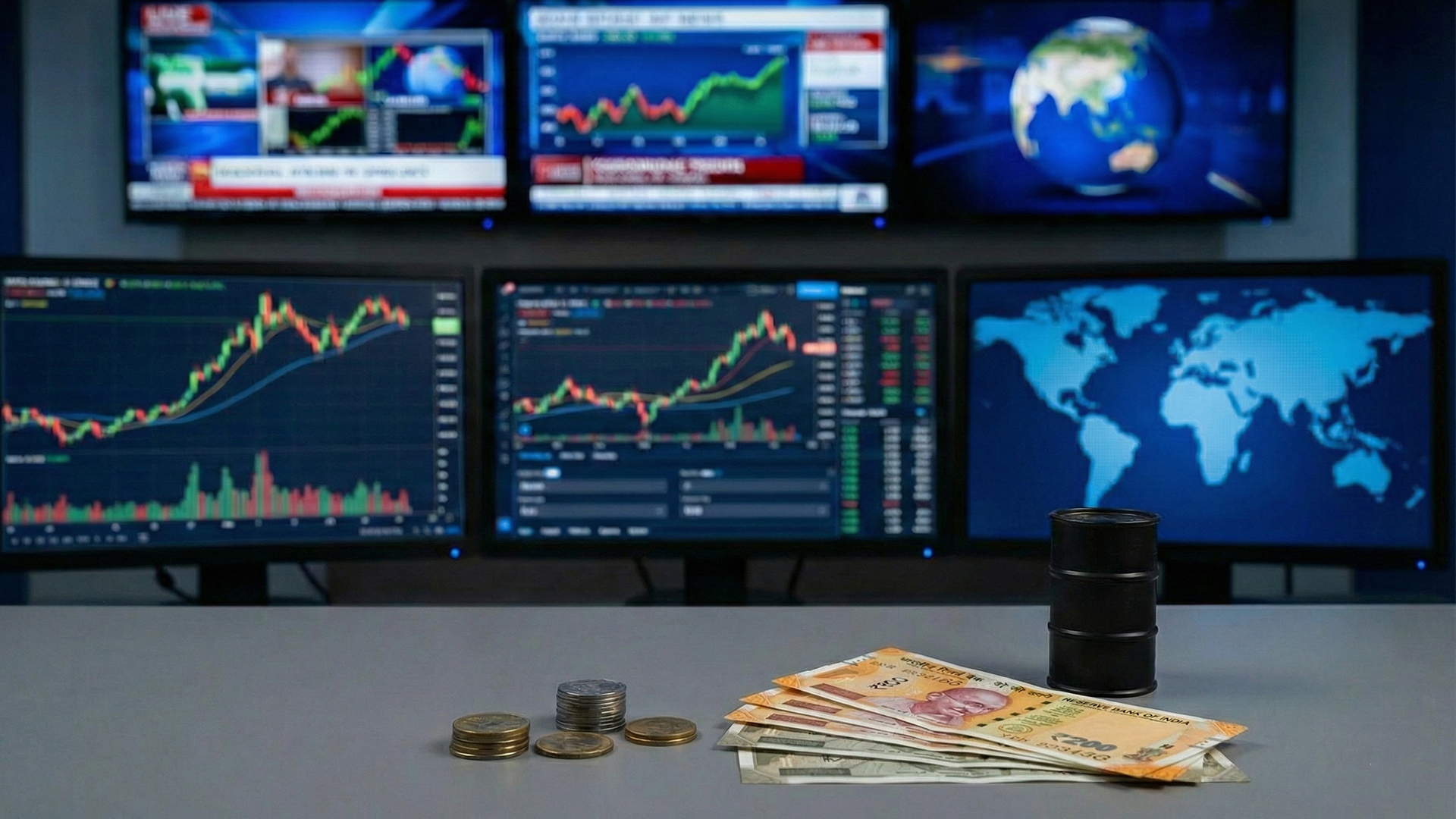
Political turmoil in Venezuela, marked by the arrest of President Nicolás Maduro, has rattled global markets, pushing the Indian rupee down to 90.24 per US dollar in early trade on Monday. Investor caution over potential further US intervention has strengthened the dollar, keeping emerging market currencies, including the rupee, under pressure.
The rupee’s decline reflects heightened sensitivity to geopolitical developments. Maduro’s arrest has intensified fears of regional instability, potential disruptions to oil supplies, and wider US political or military action. This has prompted investors to move funds towards safer assets, notably the US dollar.
India has felt the impact through foreign portfolio outflows and strong dollar demand from importers. Reduced inflows from overseas investors and rising demand for dollars in trade settlements have limited support for the rupee, pushing it below the psychologically important 90-per-dollar mark.
Analysts caution that currency volatility may continue as the Venezuela situation unfolds. Any escalation or unexpected developments, including reactions to Maduro’s arrest, could keep global investors cautious, influencing flows into emerging markets. Upcoming US economic data may further strengthen the dollar, sustaining pressure on the rupee.
Domestically, factors such as crude oil prices and equity market trends could provide some relief, but the dominant driver remains geopolitical risk. The Reserve Bank of India is expected to monitor the situation closely and may intervene if volatility intensifies.