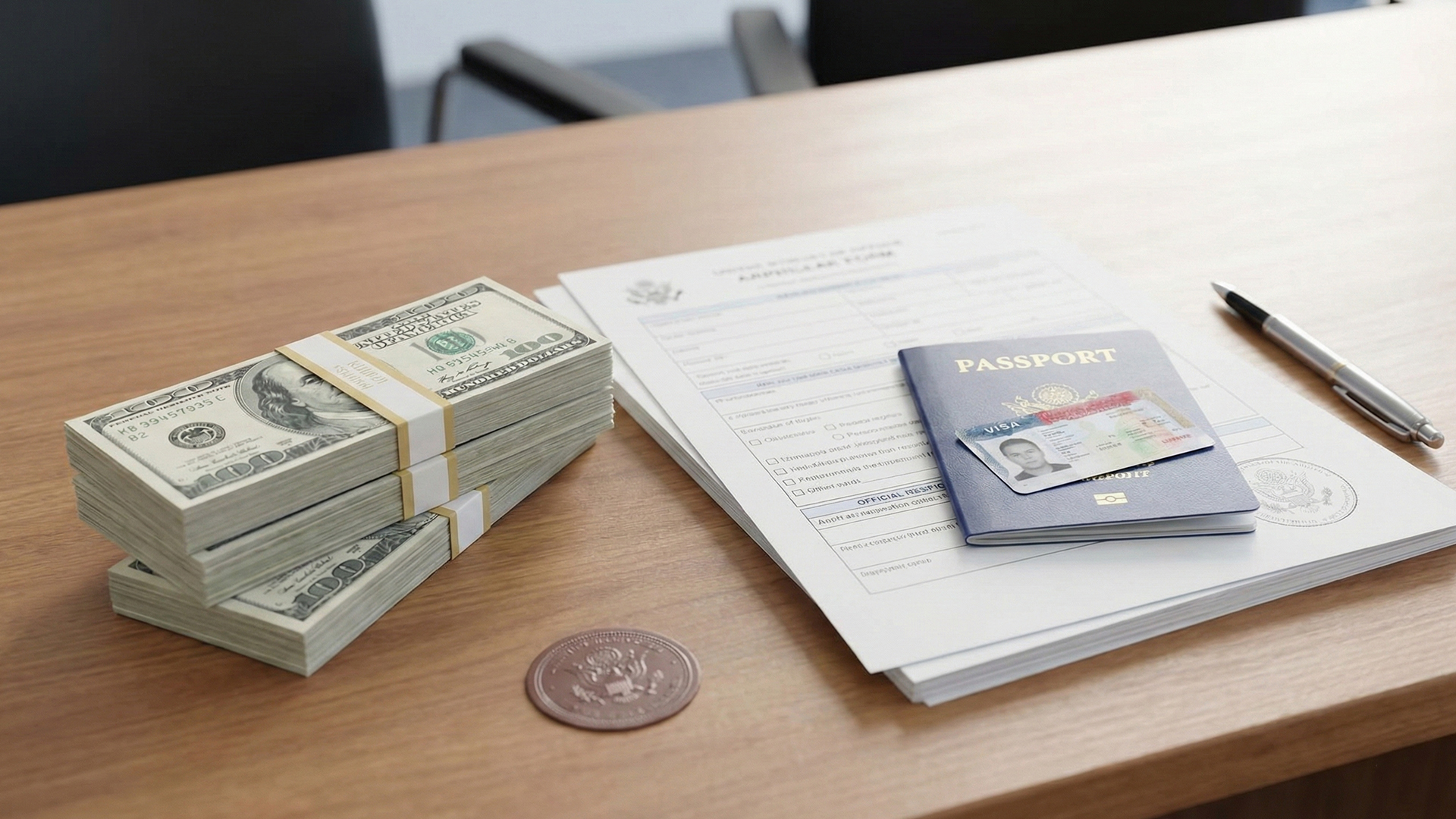
For many people planning a short visit to the United States, travel just became more expensive and uncertain. The US government has expanded a rule that requires travellers from select countries to deposit a refundable visa bond of up to $15,000 before they can receive a tourist or business visa.
The policy, first introduced during former President Donald Trump’s administration, is aimed at reducing visa overstays. US officials say the bond works as a financial guarantee, ensuring that visitors return home once their visa period ends. If travellers follow all the rules and leave the country on time, the money is returned. However, paying the bond does not guarantee that a visa will be approved.
From January 2026, seven more countries have been added to the list, taking the total to 13 nations. The latest additions include Bhutan, Botswana, Guinea, Guinea-Bissau, Namibia, Turkmenistan and the Central African Republic. Most of the affected countries are in Africa, with Bhutan being a notable Asian inclusion.
The bond applies mainly to B-1 (business) and B-2 (tourist) visas and ranges between $5,000 and $15,000, depending on the applicant’s risk profile and travel history. US authorities say the decision to include countries is based on data showing higher rates of visa overstays.
While the government maintains the rule helps protect immigration integrity, critics argue it creates a heavy financial burden for ordinary travellers. For many families, students, small business owners and patients seeking medical treatment, arranging such a large sum upfront is simply not possible.
Travel experts say the rule may discourage genuine visitors and affect tourism, business exchanges and people-to-people ties. Advocacy groups have also raised concerns that the policy unfairly targets citizens of poorer nations, making legal travel to the US increasingly difficult.
Also Read: Trump pushes Greenland plan, sparks global concern