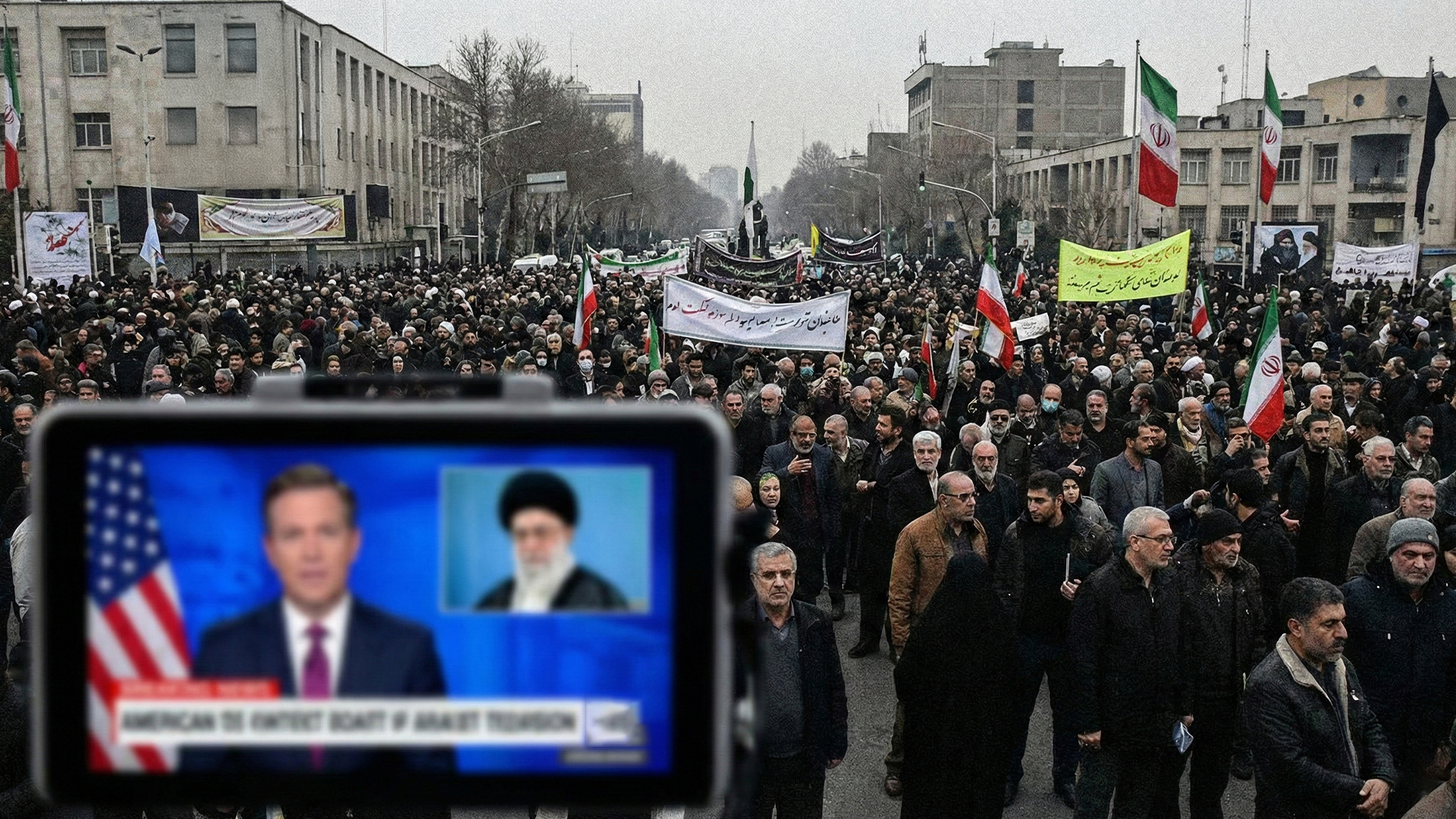
Iran is preparing to execute 26-year-old protester Erfan Soltani, marking what could be the first execution linked to the latest wave of anti-government protests. Soltani was arrested during demonstrations against Supreme Leader Ayatollah Ali Khamenei and has been sentenced to death by hanging. Human rights groups say the case highlights Iran’s harsh response to dissent.
According to activists, Soltani was detained during protests in the city of Karaj. He was accused of serious charges related to acting against the state. Rights organisations allege he did not receive a fair trial, had limited access to a lawyer, and was forced to confess under pressure. Reports also say his family was allowed only a brief final meeting before the execution.
The protests in Iran began months ago and have continued into 2026. They were triggered by growing public anger over political restrictions, economic problems, and lack of freedoms. Demonstrations spread across several cities, drawing young people, women, and workers. Security forces responded with mass arrests and force, leading to hundreds of deaths, according to independent groups.
Iranian authorities say they are acting to protect national security. Officials argue that some protesters were involved in violence and that the courts are following the law. State media has defended the death sentences, warning against what it calls foreign interference in Iran’s internal affairs.
International reaction has been strong. Former US President Donald Trump warned that the United States would take “very strong action” if Iran continues executing protesters. He criticised Tehran’s leadership and called the treatment of demonstrators unacceptable. However, he did not give details about what action the US might take.
Human rights groups, including international watchdogs, have condemned the planned execution. They say the use of the death penalty against protesters will only worsen the crisis and increase anger among the public. Several countries have urged Iran to stop executions and allow peaceful protest.
Despite global pressure, Iran appears determined to move ahead. The case of Erfan Soltani has become a symbol of the wider unrest and the deep divide between the Iranian government and its people. Observers warn that executing protesters could further escalate tensions inside the country and isolate Iran internationally.
Also Read: Jaishankar, Rubio discuss trade and defence