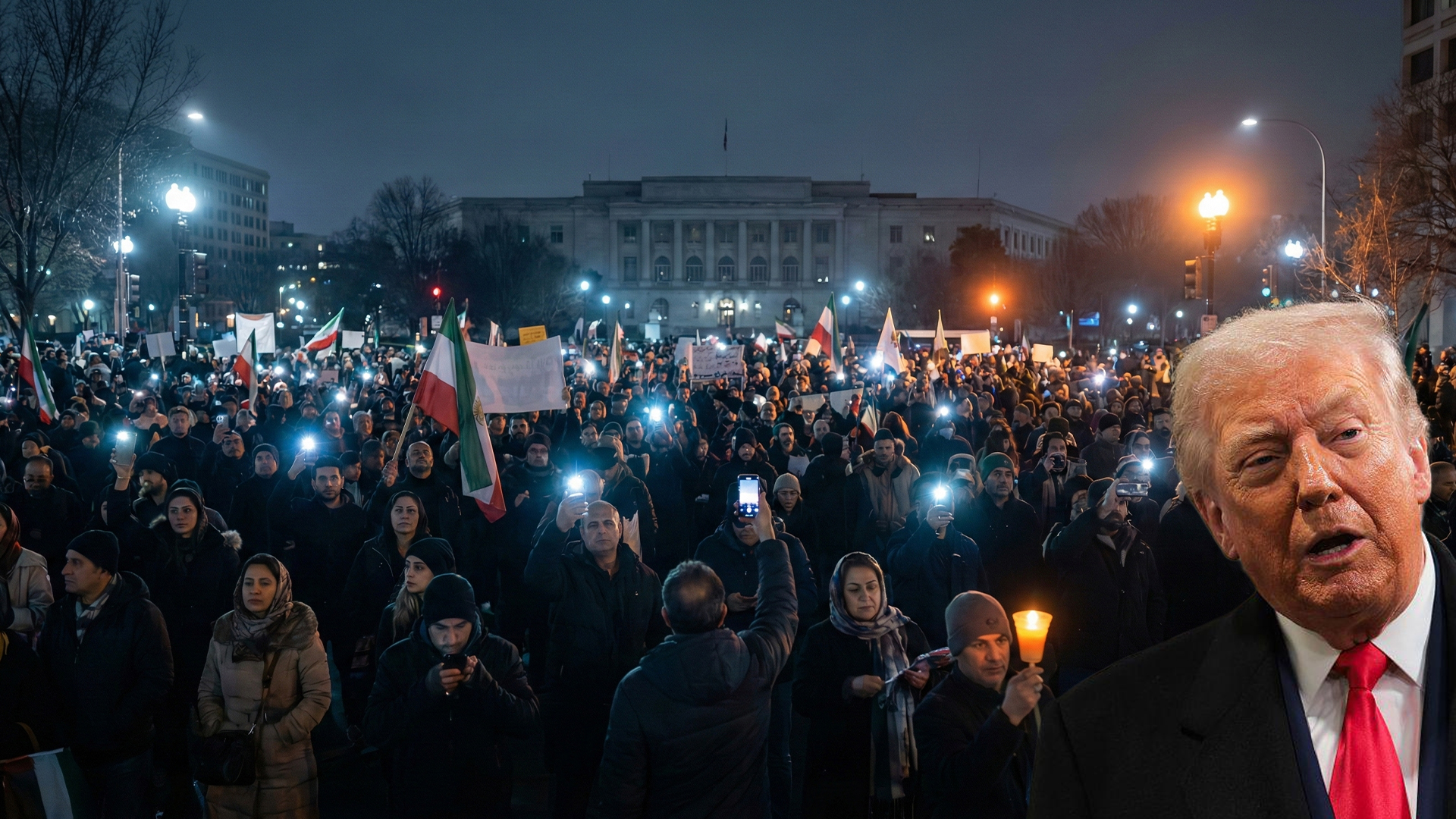
Mass protests in Iran have intensified, with security forces cracking down on demonstrators amid public anger over economic hardship and political grievances. The unrest, now in its third week, has left hundreds dead and thousands detained.
President Donald Trump urged Iranians to continue protests, saying “take over your institutions” and promising “help is on the way.” He warned Iranian leaders that those responsible for violent suppression could face consequences and hinted at strong measures, including military options.
Iranian authorities report nearly 2,000 deaths linked to the protests, though activists believe the toll is higher. Internet blackouts and restrictions have limited communication, while government forces continue arrests and dispersals.
Tehran condemned US interference, accusing Washington and Israel of instigating unrest. Officials warned any foreign military action would be met with force and said the country is prepared for all scenarios.
The United Nations and human rights groups have called for restraint and accountability, while Russia and China criticized external interference.
Initially sparked by economic woes such as inflation, currency instability, and unemployment, the protests have evolved into broader challenges to Iran’s leadership. Analysts note that how Tehran responds in the coming days could determine whether unrest escalates further or is contained.