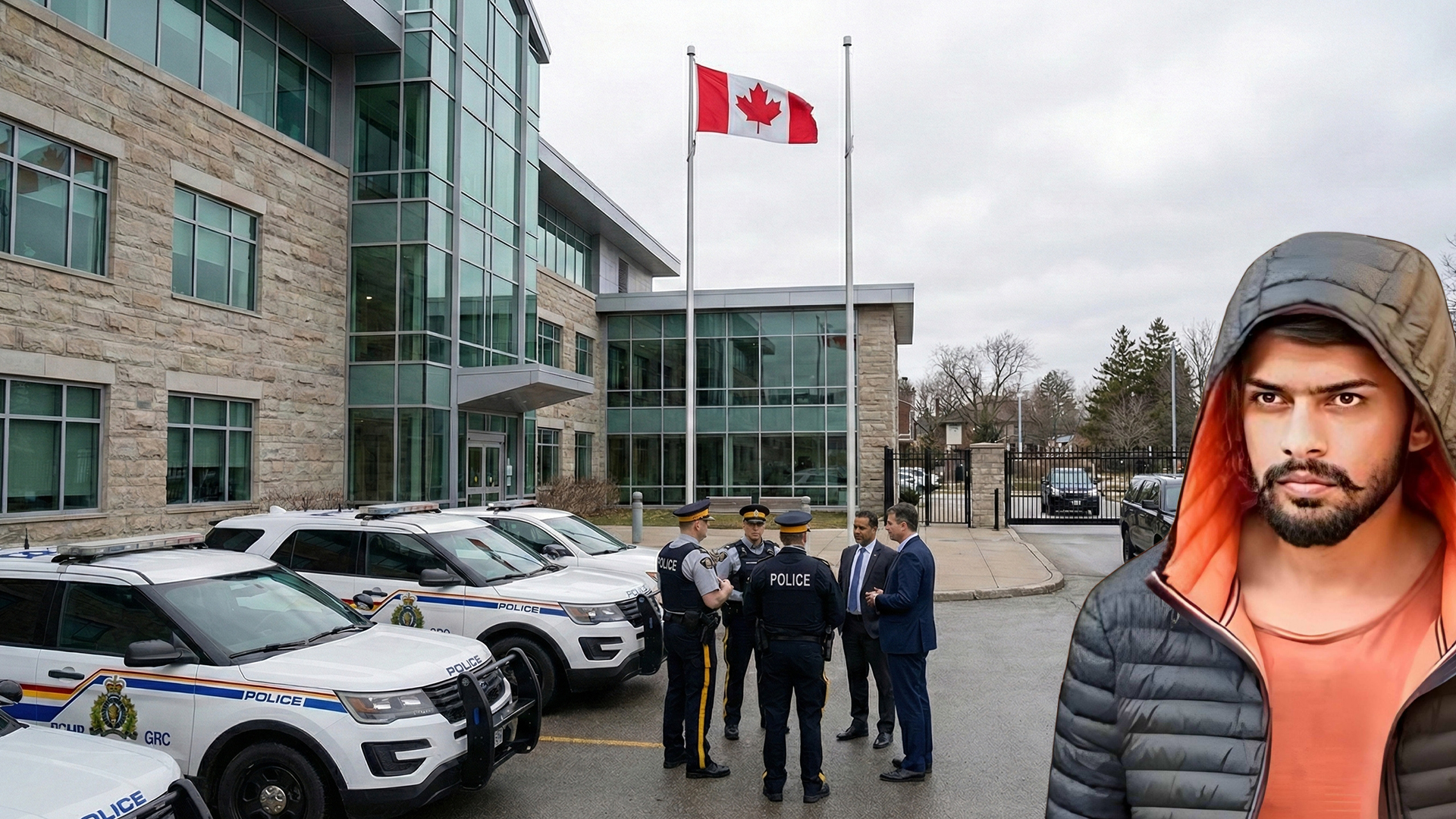
Canadian authorities have raised alarms over the activities of the Lawrence Bishnoi gang, a notorious criminal organisation, suggesting that the group may have been operating “on behalf of the Indian government,” according to a confidential report by the Royal Canadian Mounted Police (RCMP). The document was obtained by Canadian media under the country’s Access to Information Act.
The Bishnoi gang, originally based in India, has established a presence in several countries, including Canada. The RCMP report describes the group as involved in serious crimes such as extortion, drug trafficking, money laundering, and contract killings. While greed remains the gang’s primary motive, the report highlights instances in which the organisation’s actions appeared to support the interests of authorities in New Delhi.
Canada had previously labelled the Bishnoi gang as a “terrorist organisation,” citing its attempts to intimidate and target communities, particularly among the South Asian diaspora. The RCMP report details the gang’s growing international footprint and potential ties to officials in India, although direct evidence of government control has not been publicly verified.
The report arrives amid sensitive India‑Canada relations. Tensions escalated in the past after Canada alleged — and India denied — that Indian agents were involved in the killing of a Sikh separatist leader on Canadian soil. Despite these strains, both countries have taken steps to improve diplomatic engagement, including appointing envoys and participating in trade and cultural exchanges.
The RCMP’s findings also coincide with increased economic engagement between Canada and India, exemplified by British Columbia’s trade delegation visiting India. Authorities in Canada continue to monitor the Bishnoi gang’s operations, seeking to ensure public safety while navigating the complexities of international relations.
The report underscores the challenges of addressing transnational crime linked to political interests, highlighting the need for coordination between law enforcement and diplomatic channels to manage both security threats and bilateral ties.
Also Read: Iran airspace closure hits flights