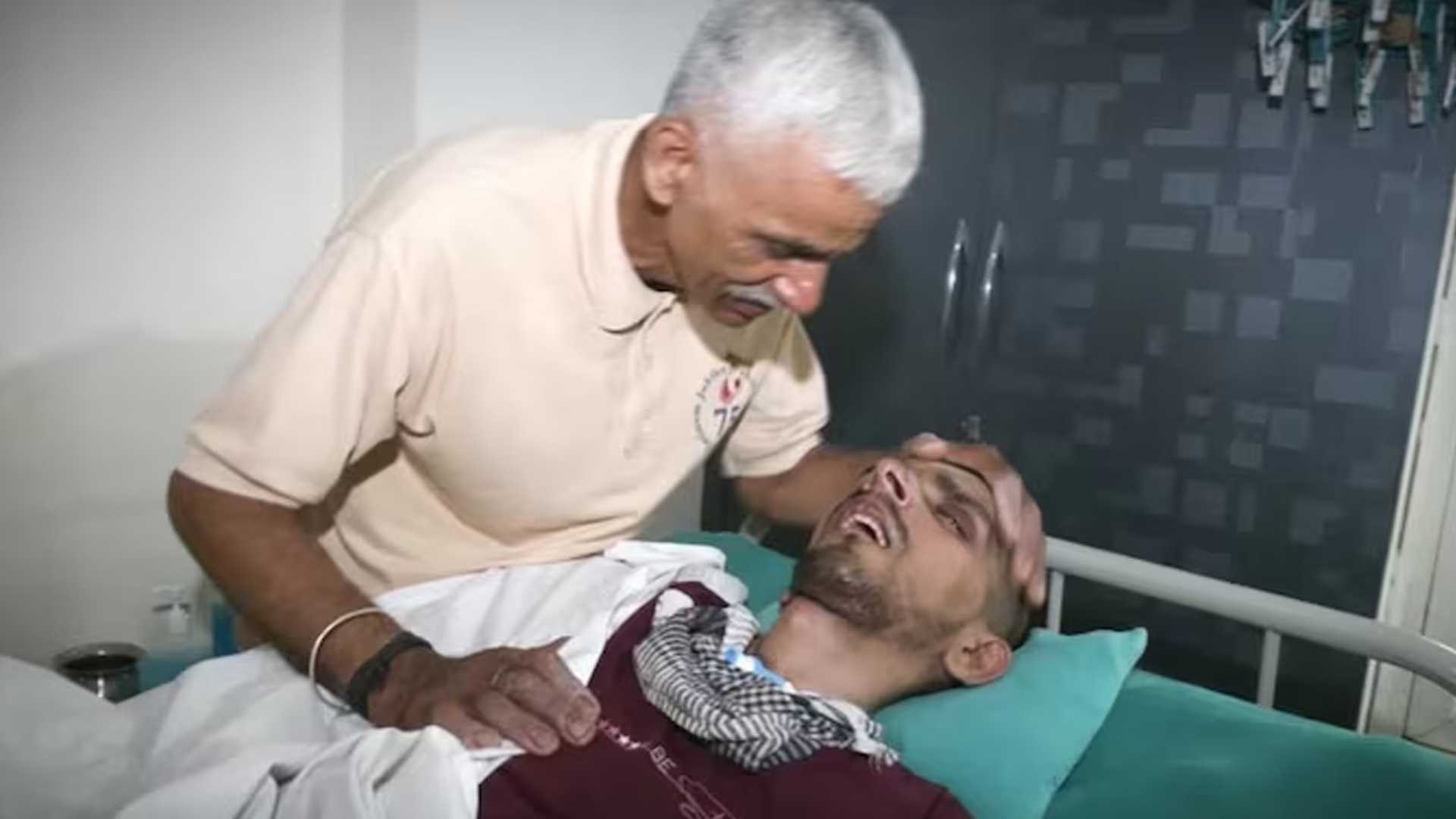
Harish Rana, the first person in India to be allowed passive euthanasia, has passed away after spending more than 13 years in a coma. His death brings a deeply emotional and long legal journey to a close.
Rana had been in a vegetative state since 2013 after suffering a severe head injury in an accident while he was a student. From that moment on, he never regained consciousness and remained completely dependent on medical care. Over the years, his condition showed no signs of improvement, leaving his family to cope with both emotional pain and the burden of long-term treatment.
Earlier this year, the Supreme Court of India allowed passive euthanasia in his case. This meant doctors could withdraw life-support treatment and focus only on keeping him comfortable, instead of trying to prolong his life artificially. The decision came after medical experts confirmed that there was no hope of recovery.
Rana’s case was significant because it was the first time such permission had been granted for an individual in India. It brought national attention to difficult questions about life, death, and the right to die with dignity. The court had noted that in certain situations, allowing a natural death can be more humane than continuing prolonged suffering.
In his final days, doctors ensured that Harish Rana was kept comfortable and free from pain. After his passing, his family chose to donate his organs, helping others even in his death, a gesture many have called both brave and compassionate.
His story has touched many across the country. It has also sparked conversations about how society and the healthcare system should support families dealing with similar situations.
Also Read: Delhi court sentences Asiya Andrabi to life