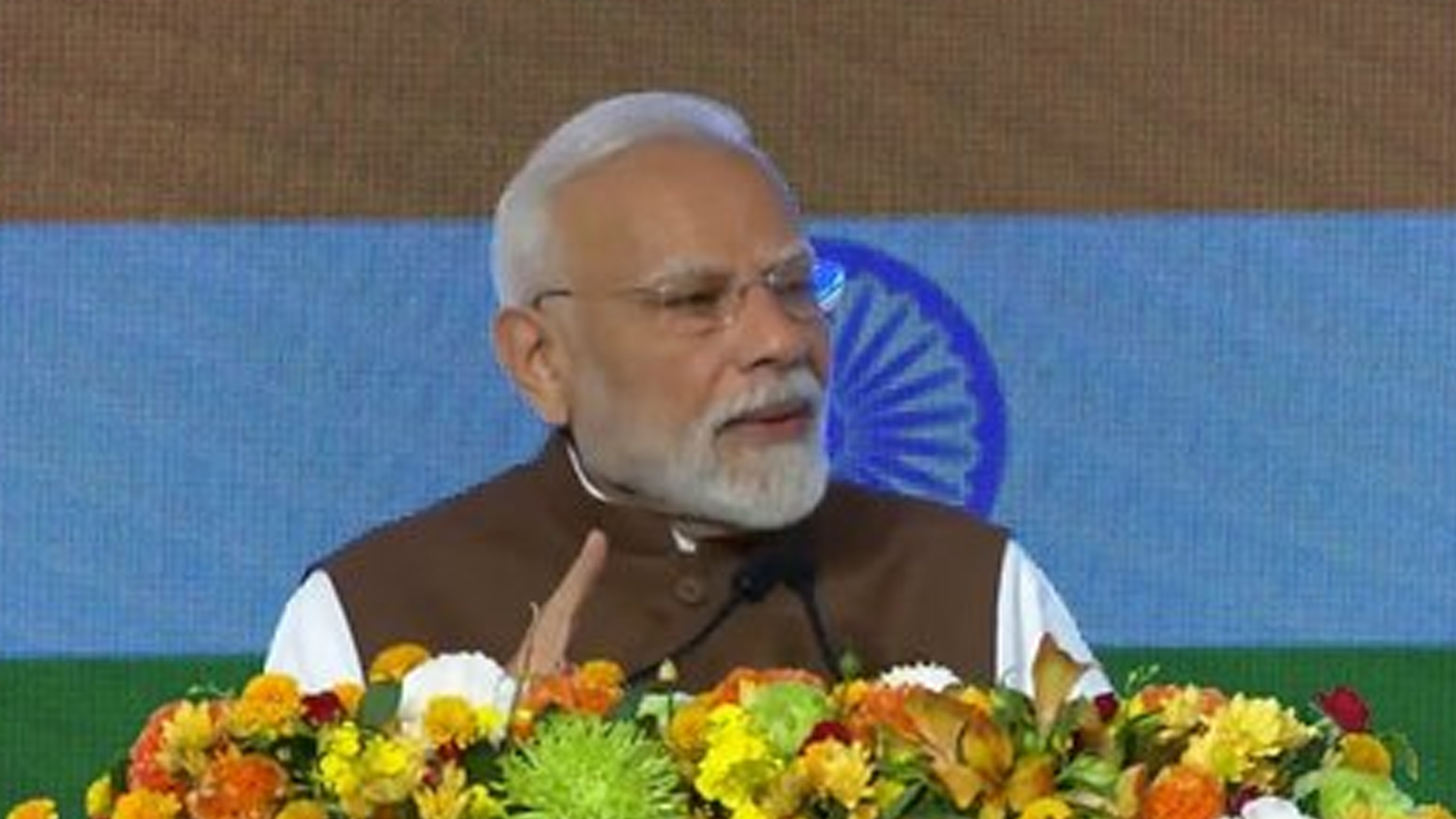
Prime Minister Narendra Modi delivered a firm address at the 25th Shanghai Cooperation Organisation (SCO) Summit in Tianjin, warning that terrorism, separatism, and extremism are existential threats to global development and urging member nations to eliminate double standards in confronting them—a message amplified by the presence of Pakistan’s Prime Minister Shehbaz Sharif.
Modi underscored that “security, peace and stability are the basis of development,” emphasizing that terrorism transcends national boundaries and poses a universal challenge. He highlighted that no country or citizen can consider themselves safe from such threats.
Turning to the devastating Pahalgam attack of April 22, which claimed 26 lives, Modi described it as “the worst side of terrorism.” He asserted that “open support for terrorism by some countries” cannot be tolerated and urged that no double standards be accepted in the fight against terror, expressing gratitude to the friendly nations that stood by India in its hour of grief.
Reaffirming India’s proactive stance, he noted the nation’s leadership in counterterror operations—including coordinated intelligence efforts against Al-Qaeda and its affiliates and a firm crackdown on terror financing.
Modi also outlined his vision for the SCO—structured around the themes of Security, Connectivity, and Opportunity, embodying a framework for regional cooperation that preserves stability while promoting economic growth.
Broader Significance: India-China Rapprochement & SCO’s Rising Influence
India-China partnership gains clarity. In a significant sideline meeting, Modi and Chinese President Xi Jinping declared that their countries are “development partners, not rivals.” They discussed strategies to reduce India’s nearly $99 billion trade deficit and emphasized a growing atmosphere of peace and stability along the Himalayan border. India reaffirmed its commitment to nurturing bilateral cooperation through mutual respect and trust.
SCO seen as an economic alternative to Western dominance. At the summit, Xi promoted a vision for a multipolar global order built on inclusive economic globalization. He pledged 2 billion yuan in aid and 10 billion yuan in loans to SCO members to enhance cooperation in trade, infrastructure, energy, technology, and AI. China cast the SCO as a counterweight to U.S. economic protectionism.
Economic tides are turning within the SCO. Analysts note that SCO equity markets are showing resilience—particularly in China’s tech sector and India’s manufacturing and fintech. The bloc is increasingly shaping an alternative axis grounded in intra-regional connectivity and investment rather than U.S.-centric systems.
A strategic multilateral balancing act for India. India’s participation in the SCO reflects a broader foreign-policy strategy rooted in strategic autonomy. Its engagement—despite lingering border tensions—signals a commitment to multipolar cooperation rather than dependency on any single bloc. SCO enables India to influence the emerging Eurasian order pragmatically while maintaining freedom in its global alignments.
Also Read: India’s GDP Grows 7.8% in Q1 FY26, Highest in Five Quarters