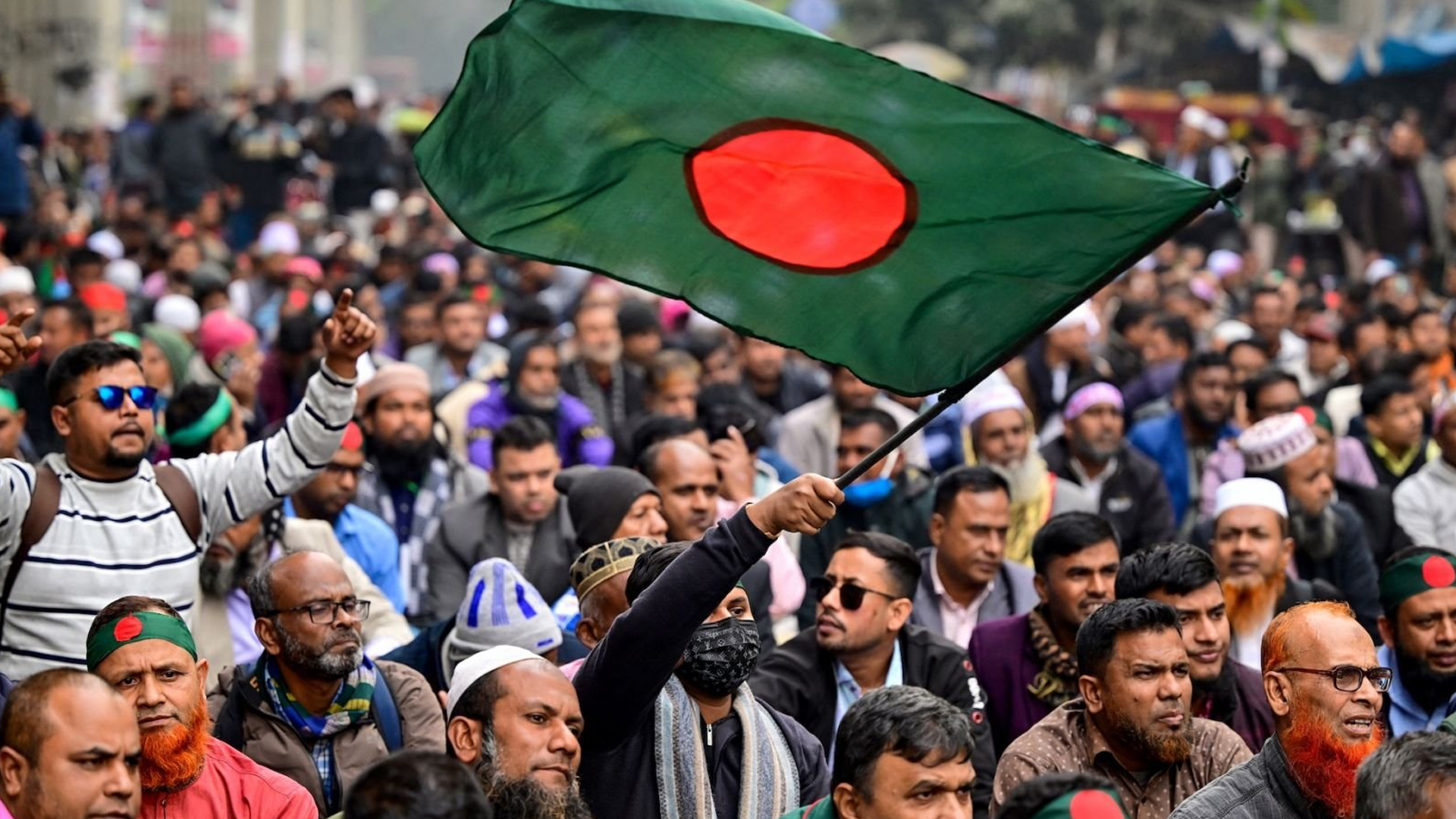
Bangladesh is gearing up for its next national parliamentary election on February 12, 2026, the country’s first vote since last year’s political turmoil. The announcement was made by Chief Election Commissioner AMM Nasir Uddin, who confirmed that all 300 seats in parliament will be contested. A referendum on proposed political reforms, called the “July Charter,” will also take place on the same day.
The interim government, led by Nobel laureate Muhammad Yunus, came to power after mass protests and a student-led uprising resulted in the removal of long-serving Prime Minister Sheikh Hasina. Hasina’s party, the Awami League, has strongly criticised the election schedule, claiming the process is unfair and calling for a neutral caretaker administration to oversee the polls. Meanwhile, opposition parties, including the Bangladesh Nationalist Party (BNP), have welcomed the announcement.
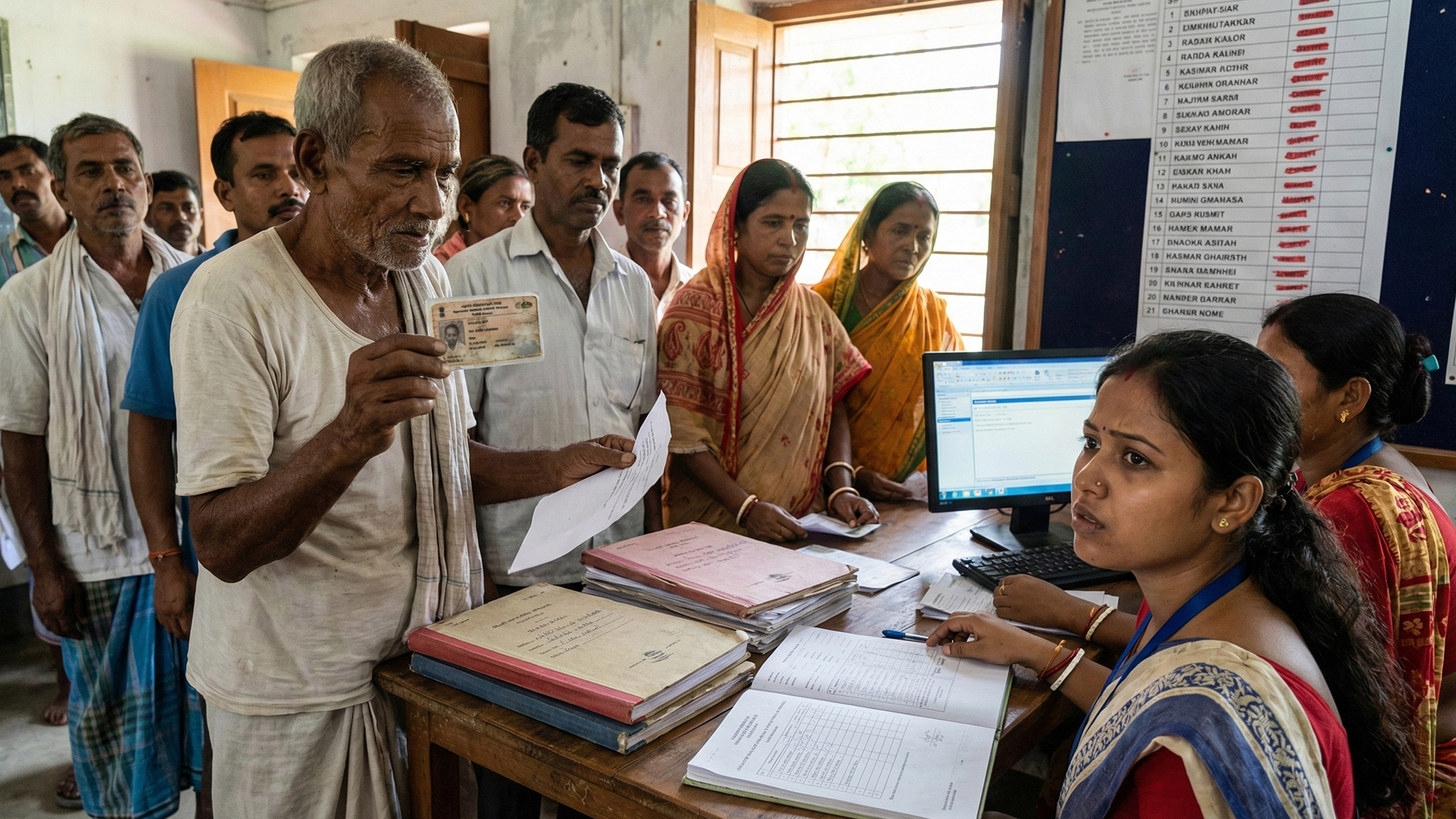
The Election Commission has outlined key deadlines to ensure a smooth process: nomination papers must be submitted by December 29, 2025, with the review and withdrawal period ending on January 20, 2026. Notably, this election will allow Bangladeshi citizens abroad to vote via postal ballots, marking a first in the country’s electoral history.
Political analysts see the upcoming polls as a critical moment for Bangladesh’s democracy, coming nearly a year after the upheaval that reshaped the nation’s leadership and triggered calls for reform. The referendum on the July Charter will give citizens a direct voice on proposed changes to governance, transparency, and electoral processes, adding further significance to the February 12 vote.
Public interest in the elections is high, reflecting the widespread demand for political stability, accountability, and reform. With both national and overseas voters engaged, the February elections are expected to set the tone for Bangladesh’s political landscape for years to come.