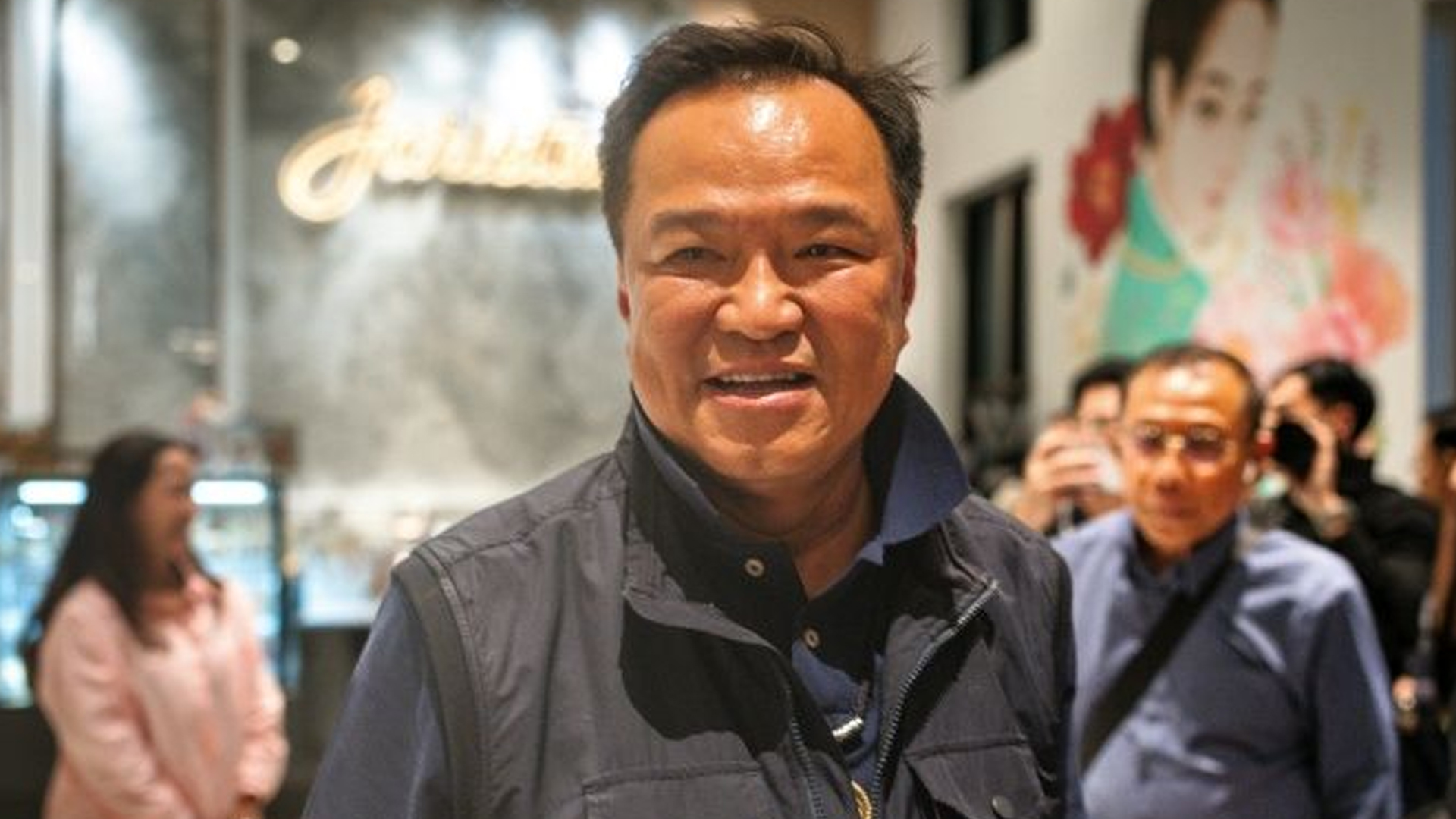
Thailand’s Bhumjaithai Party, led by Prime Minister Anutin Charnvirakul, has taken the lead in the country’s general election, delivering a surprise boost to conservative politics and opening the door to coalition negotiations to form the next government.
According to near-final results from the Election Commission, Bhumjaithai has secured around 190–195 seats in the 500-member House of Representatives. While this makes it the single largest party, it remains short of the 251 seats required for a clear majority, making alliances with smaller parties essential.
Anutin welcomed the outcome, saying the vote reflected the public’s preference for political stability, security and continuity. He said formal coalition talks would begin once the results are officially certified, stressing the need for a strong and workable government to steer the country forward.
The election was held amid heightened nationalist sentiment, following recent border tensions with Cambodia and ongoing economic pressures. Analysts say Bhumjaithai’s message of stability and firm leadership appears to have resonated with voters, particularly outside major urban centres.
The People’s Party, which finished second, performed strongly in cities and among younger voters but has ruled out joining a Bhumjaithai-led government. Party leaders said they would sit in opposition and continue pushing for political and constitutional reforms.
The once-dominant Pheu Thai Party placed third, marking another setback for the political movement linked to former prime minister Thaksin Shinawatra. While Pheu Thai has not formally committed to joining any coalition, its stance could prove crucial in determining the shape of the next government.
Smaller parties are also expected to play a key role in coalition arithmetic, and negotiations in the coming weeks are likely to be complex. Political observers say the final arrangement will determine how stable the next administration will be.
Alongside the parliamentary election, voters also backed a referendum supporting steps toward drafting a new constitution, signalling continued public interest in long-term political reform, even as conservative forces gain ground.
Also Read: US reduces tariff on Bangladesh goods to 19%