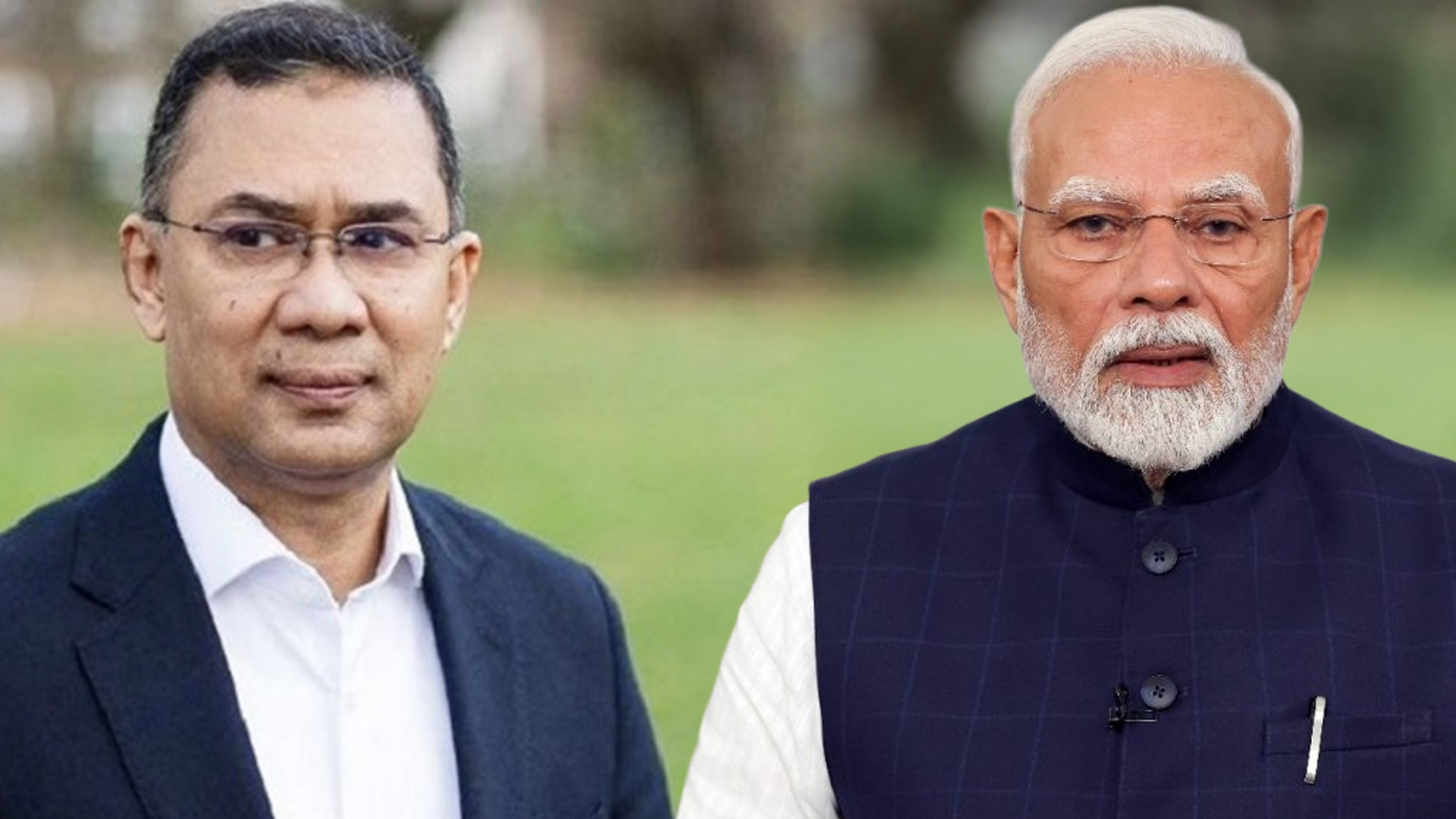
The Bangladesh Nationalist Party (BNP) has won a sweeping victory in Bangladesh’s general election, marking its return to power after nearly two decades in opposition. The party is led by Tarique Rahman, who is now set to become Prime Minister.
According to early results, the BNP and its allies have secured well over the simple majority needed to form the government in the Jatiya Sangsad, the country’s national parliament. The strong mandate reflects widespread public support and a clear desire for political change.
This was the first national election since the 2024 student-led protests that led to the exit of former Prime Minister Sheikh Hasina. The polls were closely watched both within Bangladesh and internationally, as they were seen as a crucial step toward restoring political stability.
Voter turnout was reported to be significantly higher than in recent elections, indicating renewed public interest in the democratic process. Many voters said they were looking for economic reforms, better governance, and fresh leadership after years of political tensions.
Tarique Rahman, son of former Prime Minister Khaleda Zia, returned to active politics after years abroad. His campaign focused on rebuilding democratic institutions, strengthening the economy, and ensuring greater accountability in governance. Following the results, he thanked voters for placing their trust in the BNP and promised inclusive leadership.
The Islamist party Jamaat-e-Islami also won several seats but fell far behind the BNP’s tally. Other smaller parties managed to secure limited representation in parliament.
Leaders from neighbouring countries and global powers congratulated Rahman on the victory, expressing hope for stable relations and continued cooperation.
As the BNP prepares to form the new government, expectations are high. The coming months will test whether the party can deliver on its promises and guide Bangladesh into a more stable and reform-driven phase of governance.