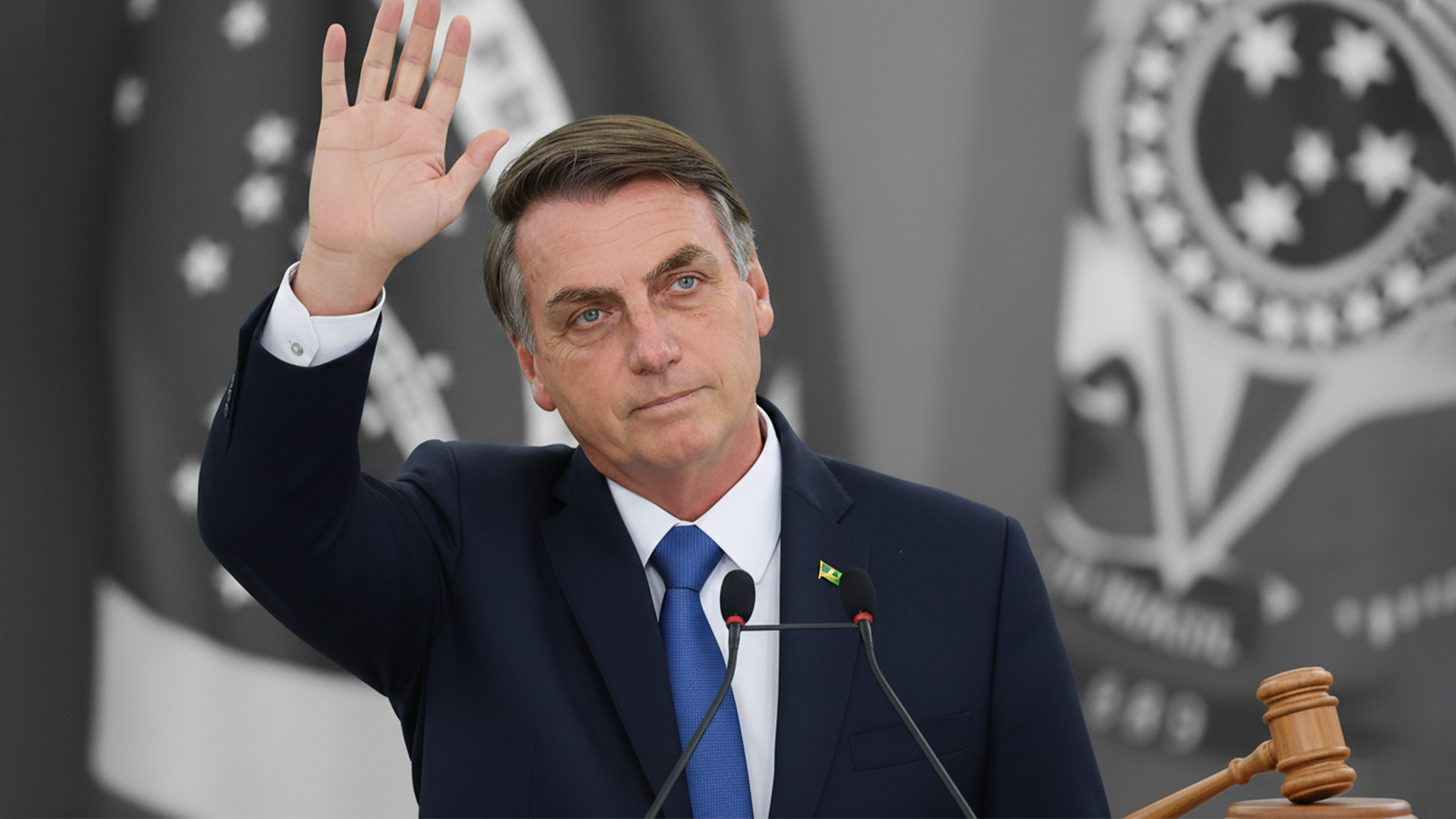
In a landmark ruling on September 11, 2025, Brazil’s Supreme Court sentenced former President Jair Bolsonaro to 27 years and three months in prison for orchestrating a failed coup to retain power after his 2022 electoral defeat. The panel of five justices convicted Bolsonaro on five counts, including leading a criminal organization and attempting to violently overthrow democratic institutions. This marks the first time a former Brazilian president has been convicted for undermining democracy.
Bolsonaro, currently under house arrest in Brasília, denies the charges and plans to appeal the verdict. The case, known as AP 2668, has been a focal point of national and international attention, highlighting Brazil’s commitment to upholding democratic principles.
Coup Plot and January 8 Riots
The conviction stems from Bolsonaro’s alleged involvement in a conspiracy to annul the 2022 election results and retain power. Evidence presented during the trial indicated that Bolsonaro and his associates planned to assassinate President Luiz Inácio Lula da Silva and orchestrated the January 8, 2023, riots in Brasília, where government buildings were stormed by armed supporters. The Supreme Court characterized Bolsonaro as the head of a criminal organization intent on reinstalling a dictatorship.
International Reactions and Diplomatic Tensions
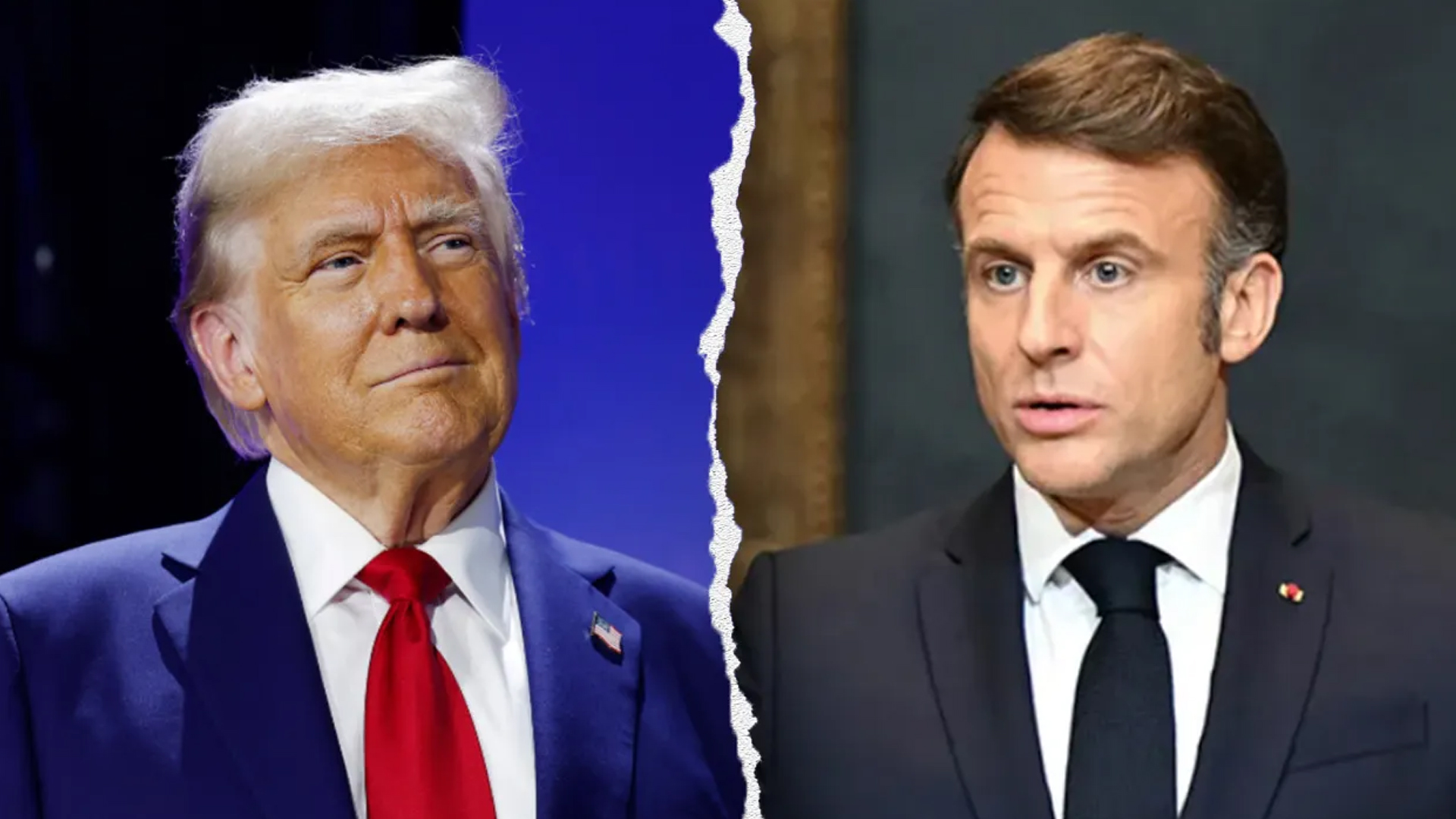
The ruling has strained relations between Brazil and the United States. U.S. President Donald Trump expressed his disapproval, stating he was “very unhappy” with the conviction and described Bolsonaro as an “outstanding leader.” Secretary of State Marco Rubio labeled the trial a “witch hunt” and announced that the U.S. would respond accordingly, though specific measures were not detailed.
In retaliation, President Trump had previously imposed a 50% tariff on Brazilian goods, a move that was partially reversed after exemptions were granted to certain items. Additionally, the U.S. Treasury Department sanctioned Supreme Court Justice Alexandre de Moraes, accusing him of suppressing freedoms and authorizing arbitrary detentions.
Brazil’s Foreign Ministry condemned these actions, asserting that the U.S. was interfering in Brazil’s judicial processes and undermining its sovereignty.
Despite the conviction, Bolsonaro remains a significant political figure in Brazil. His supporters, including allies in Congress, are exploring avenues to grant him amnesty or reduce his sentence. However, legal experts suggest that such efforts may face significant challenges, given the gravity of the charges and the strength of the judicial process.
The ruling has been hailed as a victory for Brazil’s democratic institutions, demonstrating the judiciary’s resolve in holding leaders accountable. It also sends a strong message against authoritarianism and the erosion of democratic norms in Latin America.
As Bolsonaro prepares to appeal, the case continues to unfold, with potential implications for Brazil’s political landscape and its relations with the international community. The outcome of this process will likely influence how governments in the region respond to threats against democratic governance in the years ahead.