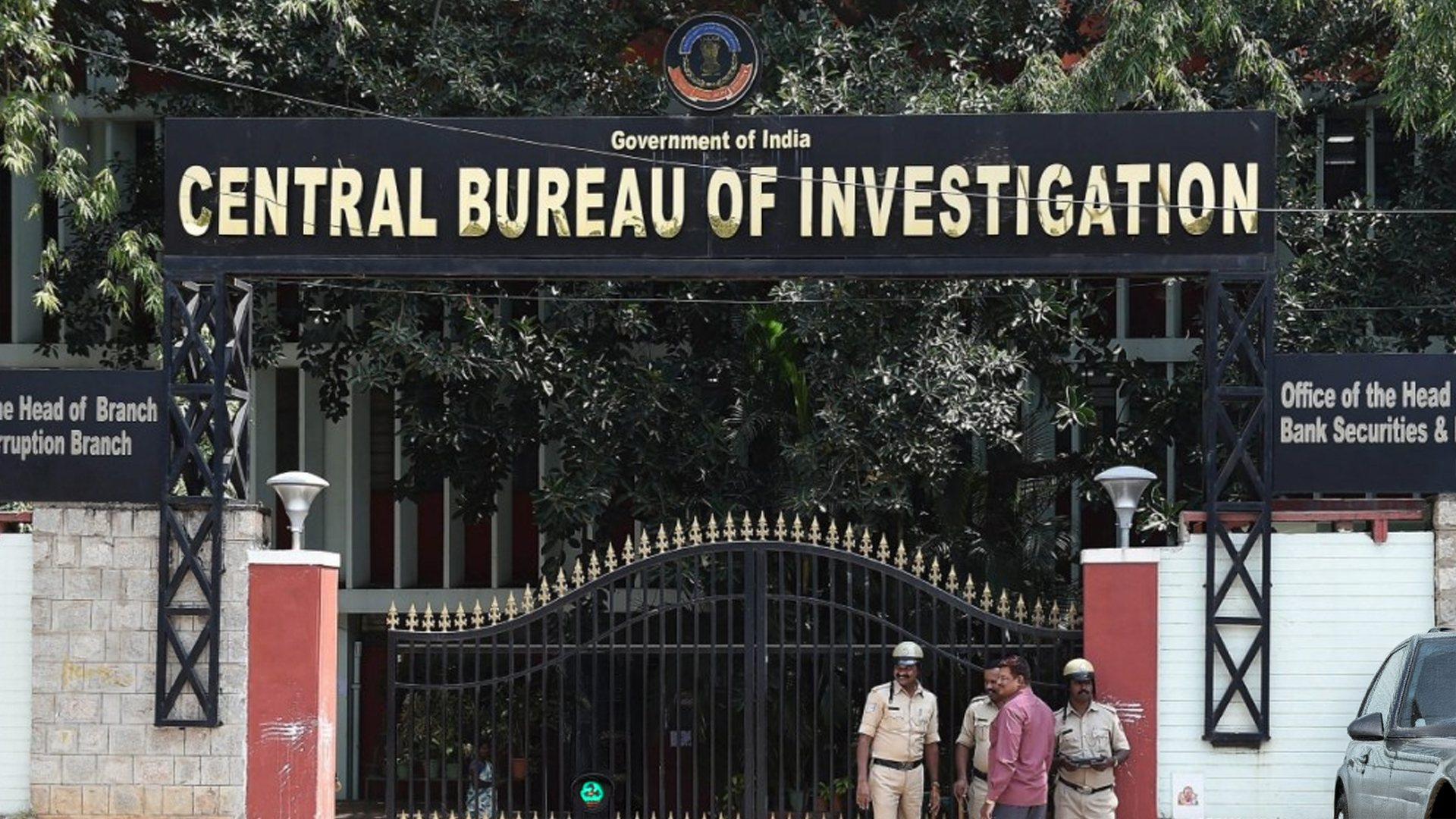
The Central Bureau of Investigation (CBI) has approached the Delhi High Court challenging a trial court order that cleared former Delhi Chief Minister Arvind Kejriwal, former Deputy Chief Minister Manish Sisodia and 21 others in the alleged Delhi excise policy scam.
A special judge at the Rouse Avenue Court Complex on February 27 discharged all 23 accused, holding that the CBI had failed to establish a prima facie case. The court found significant gaps in the agency’s chargesheet and said the material placed on record did not show sufficient evidence of criminal conspiracy or corruption.
In its detailed order, the trial court observed that the prosecution relied heavily on assumptions and statements that were not adequately backed by documentary proof. It said the evidence cited against Kejriwal did not demonstrate direct involvement in alleged wrongdoing. Regarding Sisodia, the court held that the material did not meet the threshold required to frame charges.
The judge also flagged investigative lapses and directed that a departmental inquiry be considered into the conduct of the investigating officer for naming certain officials without adequate supporting material.
The case stems from alleged irregularities in the now-withdrawn 2021–22 Delhi excise policy, which introduced private participation in liquor retail. The CBI had alleged that the policy was manipulated to benefit certain licence holders in exchange for kickbacks — claims denied by the accused and by the Aam Aadmi Party.
Following the discharge order, the CBI said it would challenge the ruling, arguing that crucial aspects of its investigation were not properly appreciated by the trial court. The appeal before the High Court is expected to focus on whether the lower court erred in assessing the evidence at the stage of framing charges.
The High Court’s decision on the CBI’s plea will determine whether the case proceeds to trial or the discharge stands.